
Introduction
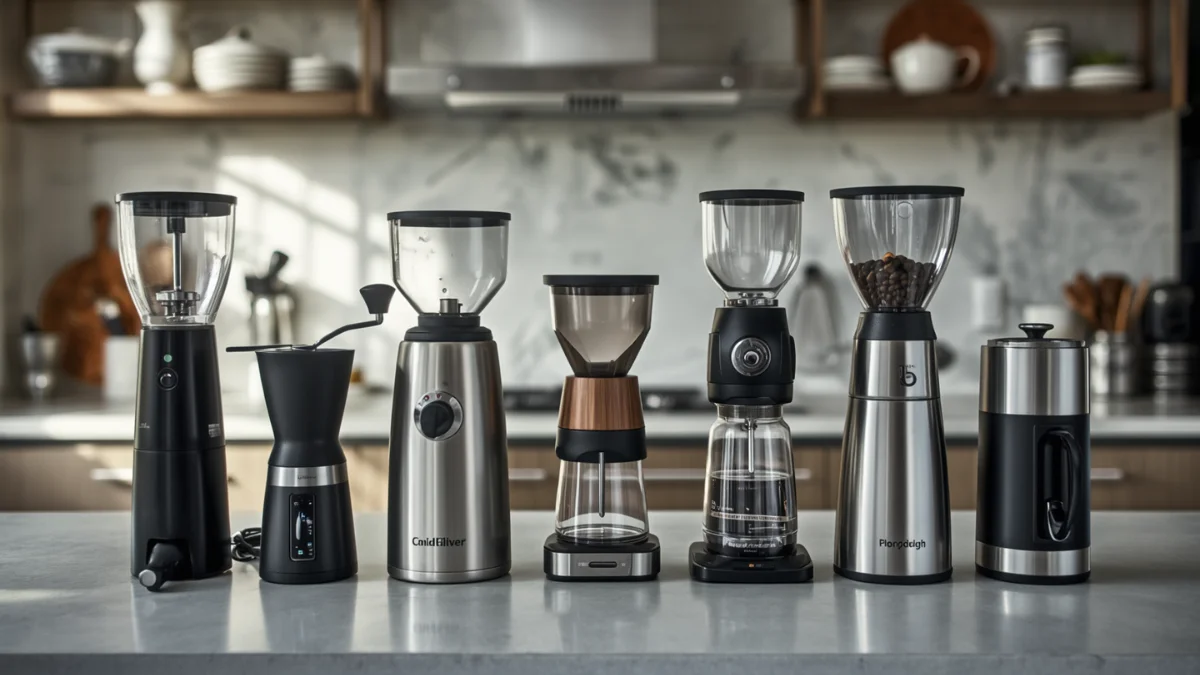
Choosing the right grinder is the most important step in brewing better coffee at home. In this Manual Coffee Grinder Buying Guide (2026), you’ll learn exactly how to choose the best manual coffee grinder based on your brewing method, budget, and quality expectations.
A manual coffee grinder lets you grind fresh coffee beans just before brewing—unlocking richer aroma, clearer flavor, and more balanced extraction. Pre-ground coffee quickly loses its freshness, which is why serious coffee drinkers rely on hand grinders for consistent results.
Unlike electric grinders, manual coffee grinders offer greater control, portability, and affordability, making them ideal for home brewers, travelers, and beginners alike. Whether you’re making pour-over, French press, AeroPress, or cold brew, choosing the right grinder directly impacts the quality of your coffee.
In this guide, we’ll break down everything you need to know—from burr types and grind settings to build quality and common mistakes—so you can confidently choose the best manual coffee grinder for your needs. Also, we’ve carefully selected and compared the best manual coffee grinders based on grind consistency, build quality, ease of use, and overall value.
👉 If you are new to home brewing, read the detailed tutorial on our Home Coffee Brewing Guide
Table of Contents
Quick Answer: How to Choose a Manual Coffee Grinder
If you’re short on time, here’s what matters most:
- Choose steel burrs for better grind consistency and speed
- Pick a grinder with adjustable grind settings for multiple brew methods
- Look for solid metal construction for durability
- Go for a mid-range model for the best balance of price and performance
- Ensure comfortable ergonomics (handle length, grip, stability)
- Avoid cheap grinders with poor burr alignment
👉 Best overall choice for most users: A mid-range steel burr grinder with 20–30 grind settings and a metal body.
What Is a Manual Coffee Grinder?
What Is a Manual Coffee Grinder?
A manual coffee grinder is a hand-operated device used to grind coffee beans. Instead of electricity, it uses a crank handle to rotate the burrs inside the grinder, crushing beans into uniform particles.
Unlike blade grinders—which chop beans unevenly—manual grinders typically use burr mechanisms, ensuring:
- Even particle size
- Better extraction
- Improved flavor clarity
How It Works
- Add whole coffee beans to the hopper
- Turn the handle
- Burrs crush beans between two surfaces
- Ground coffee collects in a container
This controlled grinding process is what makes manual grinders superior for quality-focused brewing.
Why Choose a Manual Coffee Grinder?
Manual grinders are not just a budget alternative—they’re often the preferred choice for serious coffee enthusiasts.
Portability
Manual grinders are compact and lightweight, making them perfect for:
- Travel
- Camping
- Office use
No electricity required means you can brew anywhere.
Affordability
You can get excellent grind quality at a lower price compared to electric grinders. A mid-range manual grinder often outperforms entry-level electric models.
Grind Consistency
High-quality manual grinders produce uniform grind sizes, which leads to:
- Balanced extraction
- Better flavor
- Less bitterness
Quiet Operation
Manual grinders are virtually silent—ideal for early mornings or shared spaces.
Types of Manual Coffee Grinders
Understanding grinder categories helps you match performance with your needs.
Entry-Level Grinders
Best for: Beginners or occasional users
- Affordable
- Basic grind consistency
- Often use ceramic burrs
- Limited adjustability
⚠️ Downsides: Inconsistent grind, slower performance, lower durability
Mid-Range Grinders
Best for: Most home brewers
- Improved burr quality (often steel)
- Better grind consistency
- More adjustment settings
- Durable construction
✅ Recommended category for most users
Premium Grinders
Best for: Coffee enthusiasts and perfectionists
- Precision-engineered steel burrs
- Exceptional consistency
- Smooth grinding experience
- Long-lasting materials
💡 Ideal if you want café-level results at home
Burr Types Explained
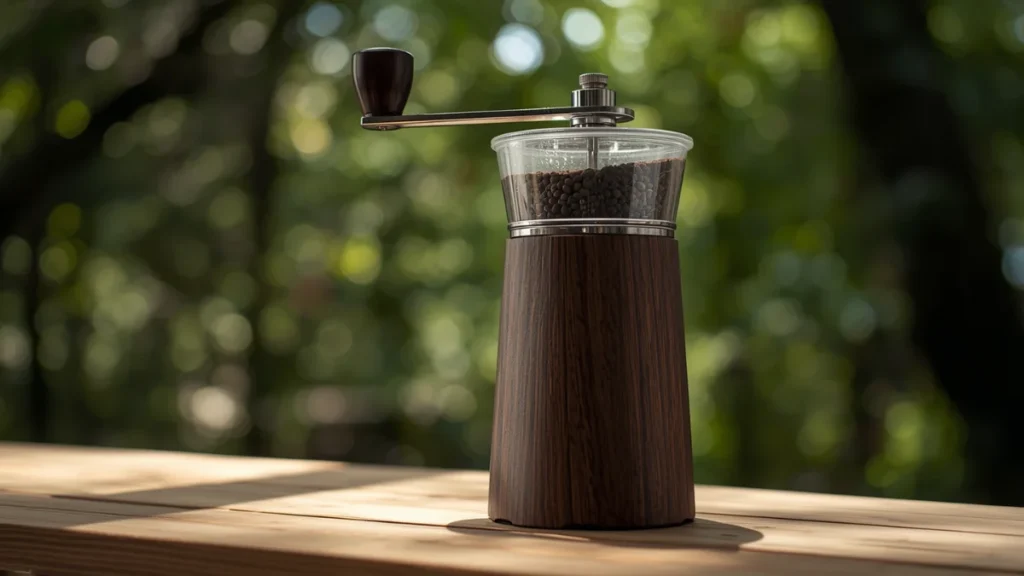
The burr is the heart of any grinder—it determines grind quality more than anything else. Choosing the right burr type directly impacts flavor, consistency, and overall coffee experience.
Ceramic Burrs
Ceramic burrs are known for their durability and resistance to rust. They tend to grind more slowly but stay sharp for a long time, making them ideal for occasional use.
Pros:
- Long-lasting
- Resistant to heat
- Budget-friendly
Cons:
- Slower grinding
- Less consistent particle size
Steel Burrs
Steel burrs deliver faster, more precise grinding with excellent consistency. They’re preferred by most coffee enthusiasts for their efficiency and uniform results.
Pros:
- Sharp and precise
- Faster grinding
- Superior consistency
Cons:
- May wear faster (in low-quality models)
Ceramic vs Steel Burrs (Comparison Table)
| Feature | Ceramic Burr | Steel Burr |
|---|---|---|
| Durability | High | Medium |
| Speed | Slower | Faster |
| Consistency | Moderate | High |
| Best For | Casual use | Quality brewing |
👉 Verdict: Steel burrs are the better choice for most users.
People also use blade grinders, and you can study a comparison of both types in our Burr Vs Blade Grinders Guide
Grind Size Adjustment: Why It Matters
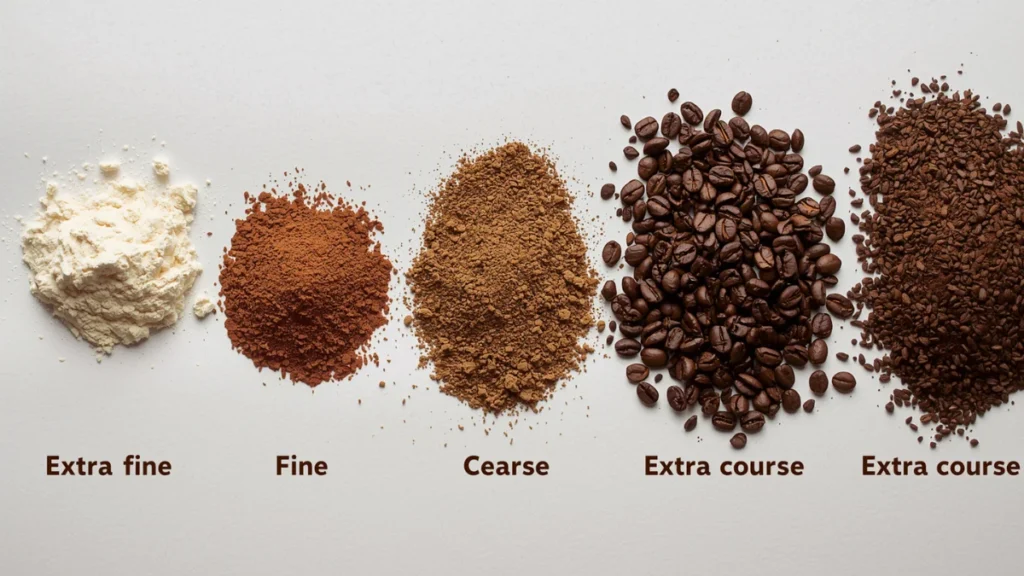
Grind size directly affects extraction speed and flavor.
Basic Rule
- Fine grind → slower water flow → stronger extraction
- Coarse grind → faster flow → lighter extraction
Grind Size Guide
- Fine → Espresso
- Medium → Pour over
- Medium-coarse → AeroPress
- Coarse → French press
- Extra coarse → Cold brew
What to Look For
A good manual grinder should offer:
- Multiple grind settings (at least 20+)
- Easy adjustment mechanism
- Consistent results between settings
⚠️ Cheap grinders often have vague or inconsistent settings.
Explore some of the best manual coffee grinders of 2026 that combine precision, durability, and portability for every type of coffee lover
Build Quality & Materials
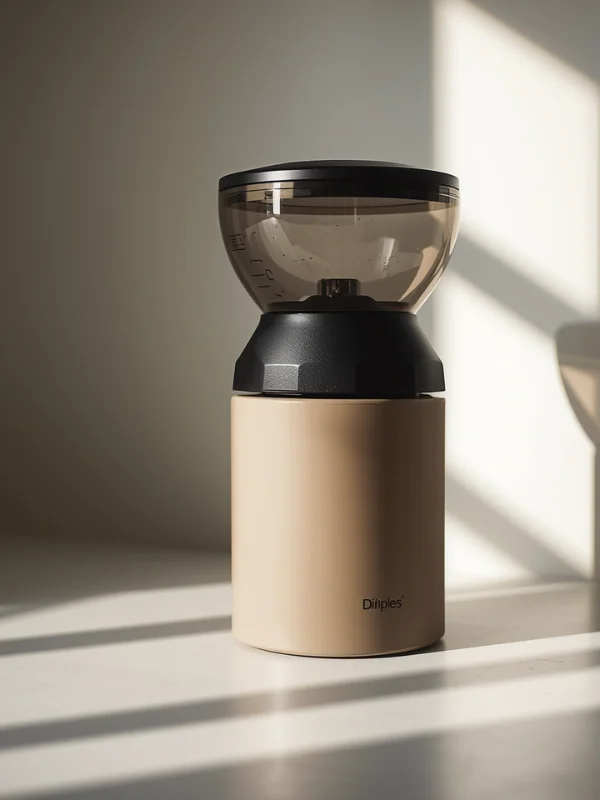
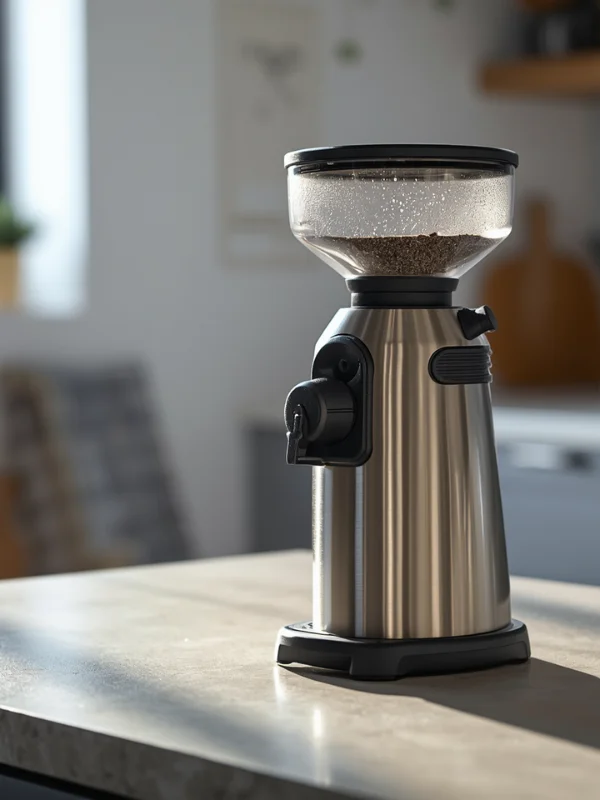
Durability affects both performance and long-term value. A well-built grinder ensures consistent results and a smoother grinding experience. Investing in quality materials also reduces maintenance and replacement costs over time.
Plastic Grinders
Plastic grinders are lightweight and easy to carry, making them great for travel or casual use. However, they can flex or wobble during grinding, which affects consistency and longevity.
- Lightweight
- Affordable
- Less durable
- Can wobble during grinding
Metal Grinders
Metal grinders offer superior strength and stability, ensuring precise burr alignment. They’re built to last and maintain consistent performance even with frequent use.
- Strong and stable
- Better burr alignment
- Long-lasting
Premium materials include:
Stainless steel and aluminum alloy are both known for their durability, corrosion resistance, and sleek appearance.
👉 Recommendation: Always choose metal construction if possible.
Ease of Use & Ergonomics
Manual grinding requires effort, so design matters.
Key Factors
- Handle length: Longer handles = easier grinding
- Grip comfort: Prevents fatigue
- Stability: Non-slip base or textured body
- Smooth rotation: Indicates good internal design
Pro Tip
A well-designed grinder can feel effortless, even when grinding for multiple cups.
Best Use Cases for Manual Coffee Grinders
Manual grinders excel in specific brewing scenarios.
Pour Over Coffee
- Requires medium grind
- Needs consistency for even extraction
👉 Read our detailed tutorial on Pour Over Coffee Guide: How to brew better coffee at home
French Press
- Requires coarse grind
- Manual grinders handle this easily
Cold Brew
- Needs extra coarse grind
- Manual grinders are ideal for this
Travel Brewing
- Lightweight and compact
- No power required
Step-by-Step: How to Choose the Right Manual Coffee Grinder
Follow this simple process to make the right decision. Taking a structured approach helps you find a grinder that fits your brewing style, budget, and daily routine.
Step 1: Identify Your Brewing Method
Ask yourself: what type of coffee do you make most often? Knowing your preferred brew helps you choose a grinder that delivers the right grind consistency for your method.
- Pour over? → medium grind
- French press? → coarse
- Multiple methods? → wide adjustment range
Step 2: Choose Burr Type
The burr material affects grind consistency and durability. Go for :
- Steel burrs if possible;
- Ceramic only if on a tight budget.
Step 3: Check Grind Settings
More settings mean greater control over your grind size. Look for at least 20+ settings and ensure a clear adjustment mechanism.
Step 4: Evaluate Build Quality
A solid build ensures stability and long-term reliability. Prefer metal over plastic and check for solid construction.
Step 5: Consider Ease of Use
A comfortable design makes grinding effortless and enjoyable. Choose a grinder with a comfortable handle and smooth grinding action.
Step 6: Set Your Budget
Your budget determines the balance between quality and features.
- Entry-level: Basic use.
- Mid-range: Best value.
- Premium: Top performance.
Follow this simple process to make the right decision.
Comparison Chart: What to Look For
| Feature | Entry-Level | Mid-Range | Premium |
|---|---|---|---|
| Burr Type | Ceramic | Steel | Steel (high precision) |
| Grind Settings | Limited | Moderate | Extensive |
| Build Quality | Plastic | Metal mix | Full metal |
| Consistency | Low | Good | Excellent |
| Price | Low | Medium | High |
Common Mistakes When Buying a Manual Grinder
Avoid these pitfalls to save money and frustration. Many buyers focus only on price or looks, missing key performance factors. A good grinder should balance quality, consistency, and durability for the best coffee experience.
1. Choosing the Cheapest Option
Cheap grinders often produce uneven grind sizes, leading to poor coffee. They also tend to wear out quickly, costing more in the long run. Investing a bit more upfront ensures better performance and longevity.
2. Ignoring Burr Quality
The burr determines flavor. Poor burrs = poor coffee. High-quality burrs provide consistent particle size, which directly affects extraction and taste. Look for stainless steel or ceramic burrs for reliable results.
3. Overlooking Adjustability
Limited settings restrict your brewing options. Without fine-tuned control, you can’t properly dial in for espresso, pour-over, or French press. A grinder with multiple adjustment levels gives you flexibility for any brew style.
4. Ignoring Build Quality
Weak construction leads to wobbling and inconsistent grinding. Plastic parts or loose fittings can cause uneven pressure and poor results. A sturdy metal body ensures stability and smoother operation.
5. Not Matching Grinder to Brewing Method
Different brewing methods require different grind sizes. Using one grinder for all methods without adjustment leads to under- or over-extracted coffee. Choose a grinder designed for your preferred brewing style to get the best flavor.
FAQ: Manual Coffee Grinder Buying Guide
1. Are manual coffee grinders better than electric grinders?
Manual grinders often provide better grind quality at a lower price. However, electric grinders are more convenient for large quantities.
2. What grind size should I use?
- Pour over → medium
- French press → coarse
- Espresso → fine
3. Are manual grinders good for beginners?
Yes. They are simple, affordable, and help beginners understand grind control.
4. How long does it take to grind coffee manually?
Typically 30–90 seconds, depending on grind size and grinder quality.
5. Can manual grinders make an espresso grind?
Yes, but only high-quality models with fine adjustment settings can do it properly.
6. How long do manual grinders last?
A good grinder can last 5–10 years or more, especially with proper care.
Conclusion
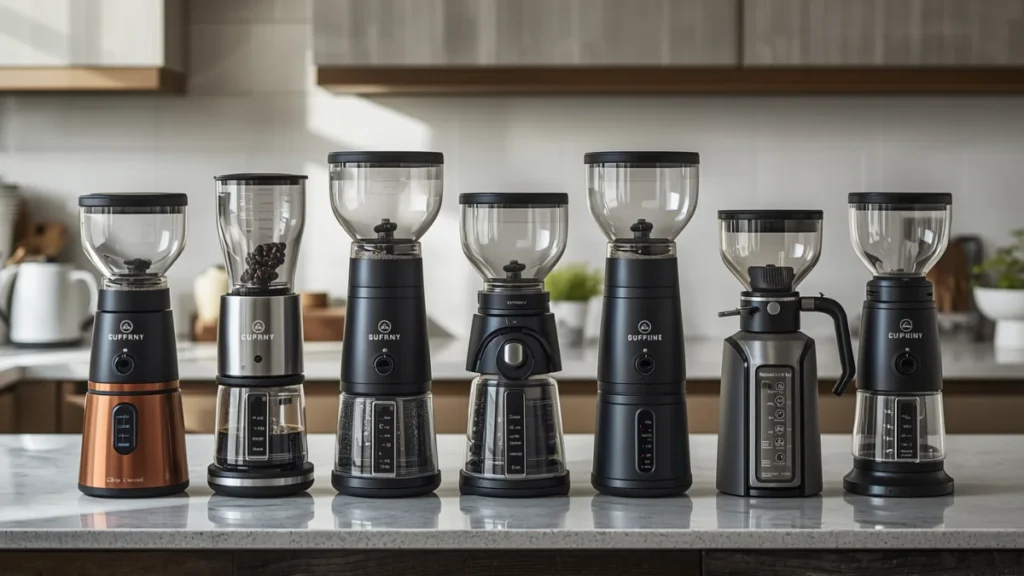
Choosing the right grinder can completely transform your coffee experience. As this Manual Coffee Grinder Buying Guide has shown, the key to better coffee lies in selecting a grinder that delivers consistent grind size, reliable performance, and long-term durability.
For most users, a mid-range manual coffee grinder with steel burrs and adjustable grind settings offers the best balance of quality and value. It allows you to brew multiple coffee styles—pour-over, French press, AeroPress, and cold brew—while maintaining excellent flavor consistency.
Remember, even the best coffee beans cannot compensate for a poor grinder. Investing in a high-quality manual grinder ensures you get the most out of every brew.
If you want fresher coffee, better extraction, and full control over your brewing process, a manual coffee grinder is an essential tool for your setup.
👉 Choose wisely, grind fresh, and elevate your daily coffee routine.
Related Coffee Brewing Guides
The following comprehensive guides will give more insights into the topic
- French Press Coffee Guide
- Cold Brew Coffee Guide
- Coffee Grind Size Chart
- Coffee Brewing Ratio Explained