
Introduction
French press coffee is one of the easiest and most popular ways to brew rich, full-bodied coffee at home. In this French press coffee guide, you’ll learn exactly how to use a French press, choose the right grind size, and apply the ideal coffee-to-water ratio for consistent results.
Unlike pour-over coffee, which uses paper filters, the French press uses immersion brewing. This means coffee grounds steep directly in hot water, allowing more natural oils and flavor compounds to remain in the final cup. The result is a bold, smooth coffee with a heavier body and deeper flavor.
This guide covers everything you need to get started, including:
- The best grind size for French press coffee
- The ideal French press coffee ratio
- a step-by-step brewing method
- common mistakes and how to fix them
If you’re new to home brewing, you may also want to read our Home Coffee Brewing Guide, which explains different brewing methods and how they affect flavor.
Table of Contents
What Is French Press Coffee?
French press coffee is a manual brewing method where coarse coffee grounds are steeped in hot water and then separated using a metal plunger filter. This immersion brewing process produces a rich, full-bodied cup of coffee with more natural oils compared to filtered methods.
What Is the Best French Press Coffee Ratio?
The ideal French press coffee ratio is 1:15, meaning 1 gram of coffee for every 15 grams of water. This ratio produces a balanced cup with good strength and flavor.
What Grind Size Is Best for French Press?
A coarse grind size works best for French press coffee. The texture should resemble sea salt. This prevents over-extraction, resulting in a smoother, less bitter cup.
What Is French Press Coffee?
French press coffee is made by steeping coarse coffee grounds in hot water, then separating the grounds with a metal plunger.
This brewing method is known as immersion brewing, where coffee grounds remain fully submerged during extraction. This allows water to extract oils, sugars, and flavor compounds more completely compared to some other brewing methods.
Because of this, French press coffee typically has:
- a richer body
- stronger flavor
- more natural oils
Using the best coffee grind size for coffee brewing ensures proper extraction and better flavor.
Why People Love French Press Coffee
French press remains popular because it combines simplicity with excellent flavor.
Rich, Full-Bodied Coffee
The metal filter allows natural coffee oils to pass through, creating a heavier and more textured cup.
Simple Brewing Process
Unlike other brewing methods, the French press does not require precise pouring techniques.
Minimal Equipment
All you need:
- French press
- coffee grinder
- hot water
Equipment Needed for French Press Coffee
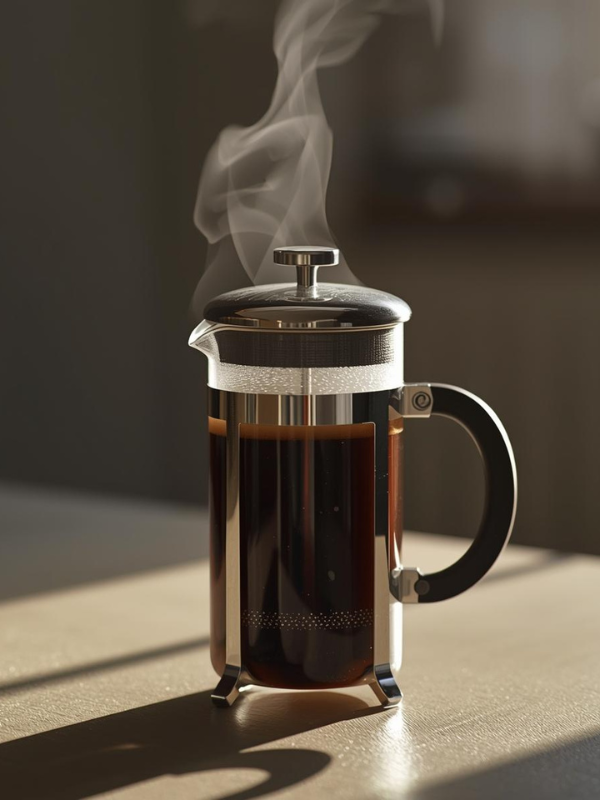
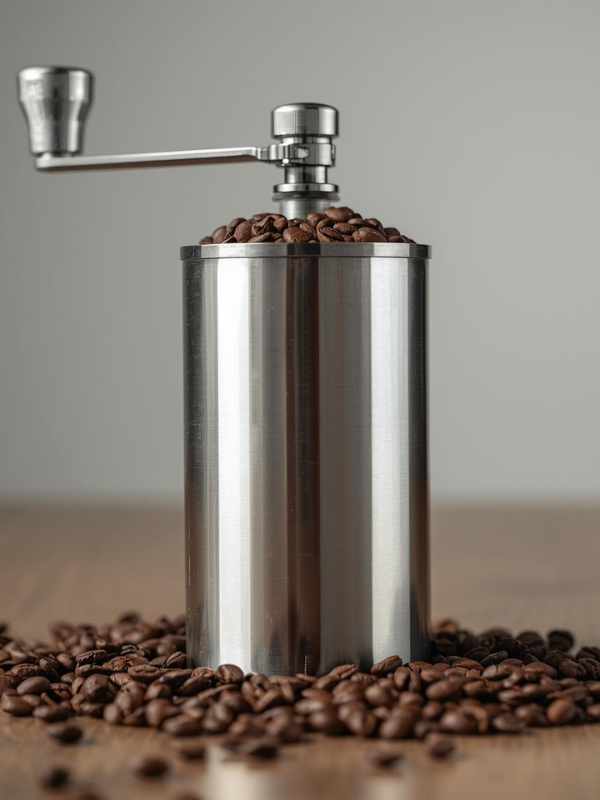
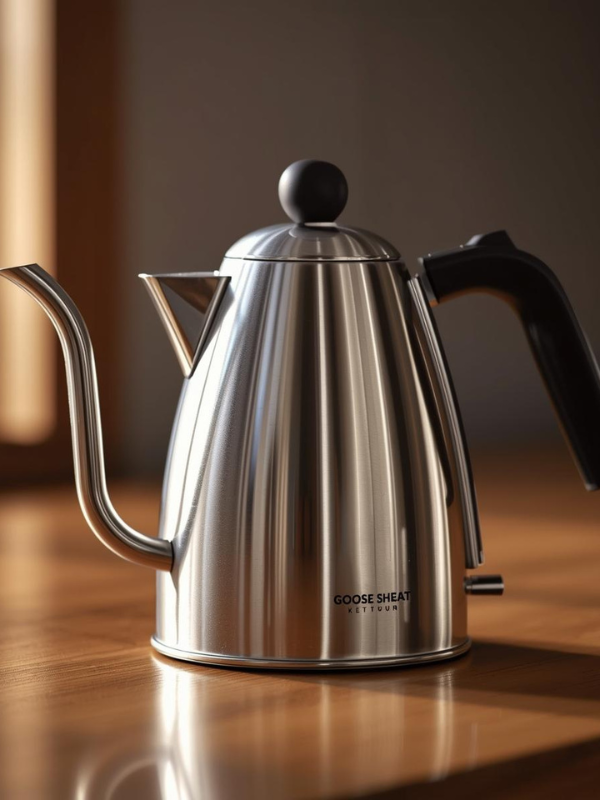
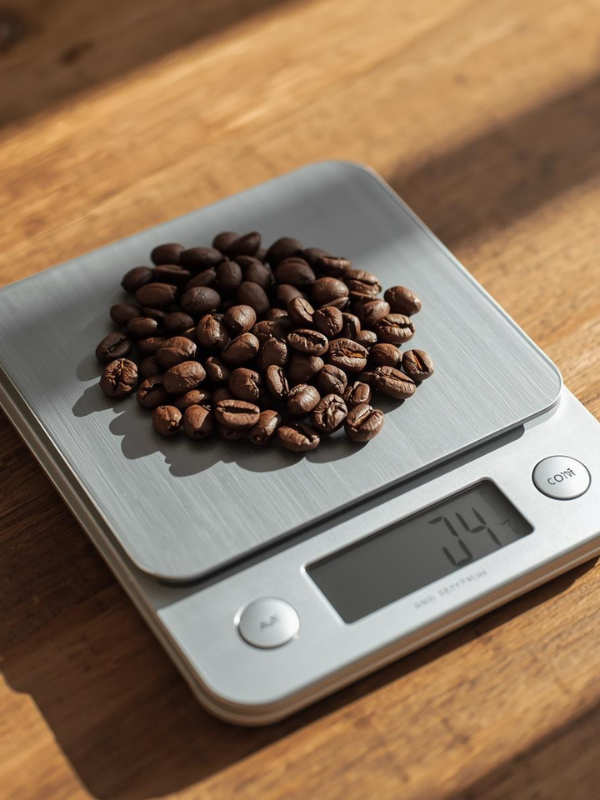
To make great French press coffee, you’ll need a few essential tools that ensure consistency and flavor. Each piece of equipment plays a role in achieving the perfect balance of extraction, aroma, and texture.
French Press Brewer
A French press is a simple yet elegant brewing device that uses immersion to extract rich, full-bodied coffee.
Available in glass or stainless steel designs.
Coffee Grinder
A grinder lets you grind coffee beans just before brewing, preserving their natural oils and aroma.
A burr grinder is recommended for a consistent coarse grind.
Kettle
A kettle provides precise control over water temperature, which is crucial for proper extraction.
Used to heat water to the correct temperature.
Coffee Scale
A scale ensures you measure both coffee and water accurately for repeatable results every time
Helps maintain accurate coffee-to-water ratios.
Best Coffee Beans for French Press
French press works well with:
Medium Roast
Balanced flavor with mild acidity.
Dark Roast
Produces bold, strong coffee with chocolatey notes.
French Press Grind Size
Grind size is critical for French press brewing.
A coarse grind is ideal, similar to sea salt.
Why?
- prevents over-extraction
- avoids bitterness
- ensures smooth flavor
If the grind is too fine:
- coffee becomes bitter
- The filter may clog
This complete guide to coffee grind sizes helps ensure every brew tastes balanced and aromatic.
French Press Coffee Ratio
A good starting ratio is:
👉 1:15 coffee to water
Example:
| Coffee | Water |
|---|---|
| 20g | 300g |
| 30g | 450g |
You can adjust this depending on how strong you prefer your coffee.
Ideal French Press Brewing Settings
| Variable | Recommended Range |
|---|---|
| Grind Size | Coarse |
| Water Temperature | 195–205°F |
| Coffee Ratio | 1:15 |
| Brew Time | 4 minutes |
| Bloom Time | 30 seconds |
Step-by-Step French Press Brewing Method
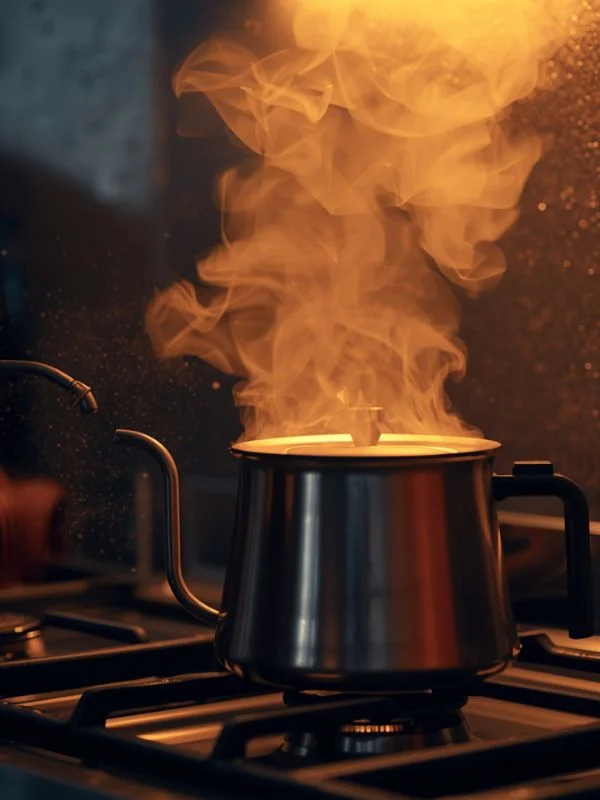
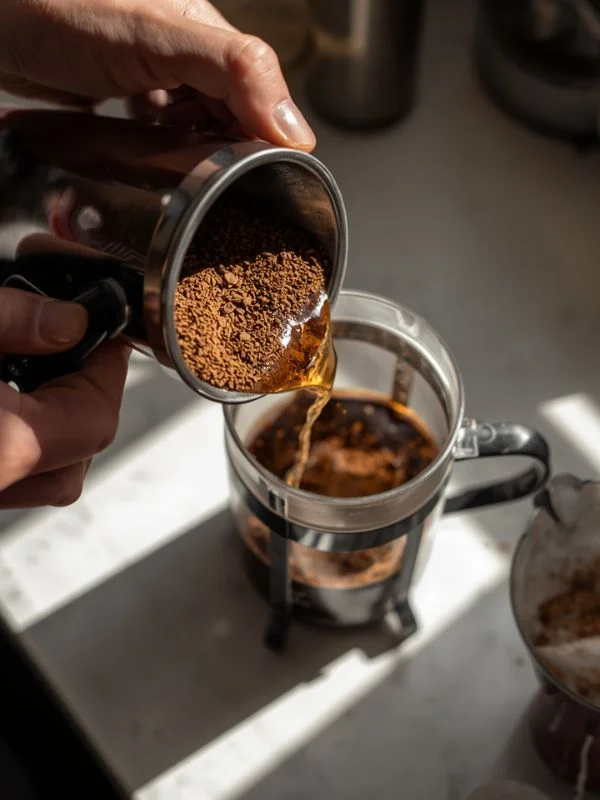
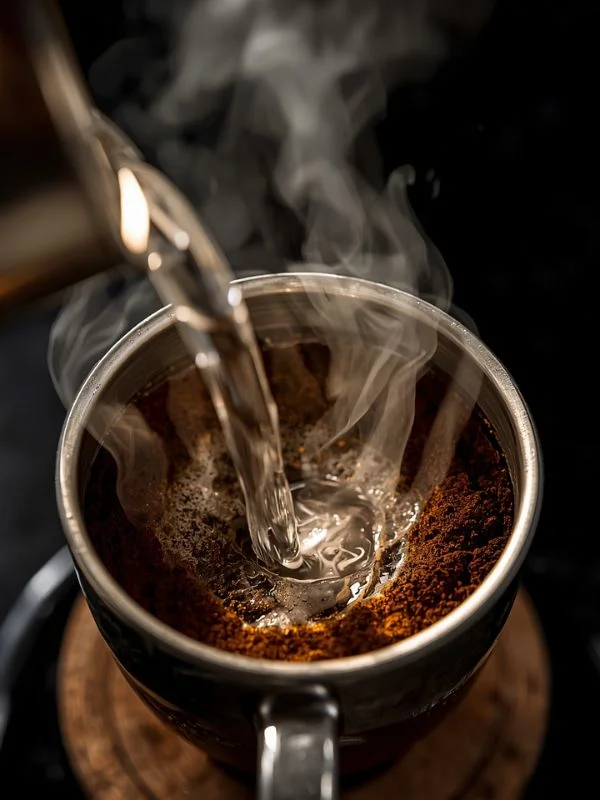
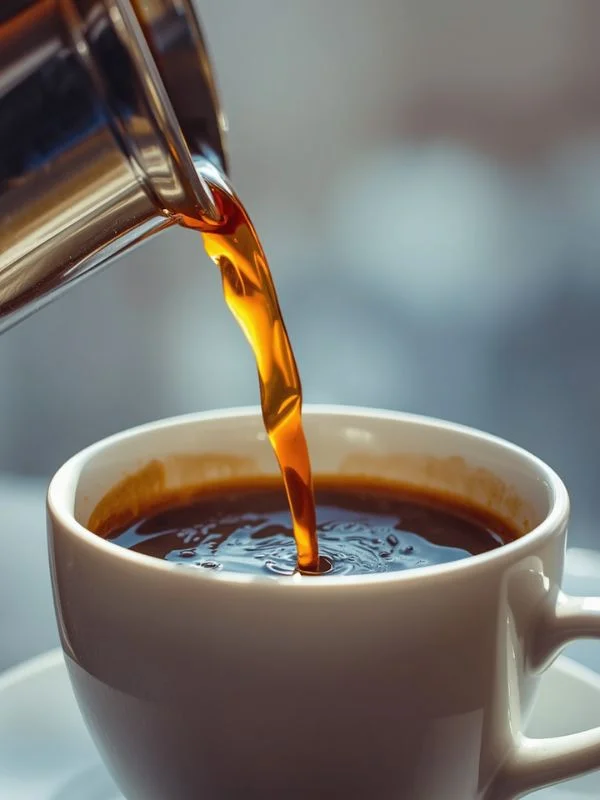
Step 1 – Heat Water
Heat water to about 195–205°F (90–96°C).
Step 2 – Add Coffee Grounds
Use coarse-ground coffee and add it to the French press.
Step 3 – Pour Water
Pour hot water evenly over the coffee grounds.
Step 4 – Stir Gently
Stir lightly to ensure all grounds are saturated.
Step 5 – Steep
Let the coffee steep for 4 minutes.
Step 6 – Press the Plunger
Press slowly and evenly.
Step 7 – Serve Immediately
Pour coffee into your cup to avoid over-extraction.
Pro Tips for Better French Press Coffee
Use freshly roasted coffee beans
Fresh beans release more oils and aroma during brewing, improving flavor.
Discover how to choose the best coffee beans for different brewing methods to elevate every cup from ordinary to exceptional.
Avoid boiling water
Water that is too hot can over-extract the coffee, making it bitter.
Break the crust after blooming
After the bloom phase, gently stir or skim the top layer to improve extraction.
Pour immediately after brewing
Leaving coffee in the press continues the extraction and can make it bitter.
Why Brew Time Matters
Brewing time directly affects extraction.
- too short → weak coffee
- too long → bitter coffee
The standard 4-minute brew time provides a balanced extraction.
Common French Press Mistakes
Using Fine Grind
Leads to bitterness and muddy coffee.
Over-Steeping
Makes coffee overly strong and bitter.
Not Using Fresh Coffee
Fresh beans produce better flavor.
Leaving Coffee in the Press
This continues the extraction and affects taste.
French Press vs Pour Over Coffee
| Feature | French Press | Pour Over |
|---|---|---|
| Body | Heavy | Light |
| Flavor | Rich | Clean |
| Filter | Metal | Paper |
French press coffee is richer, while pour-over coffee has a cleaner flavor.
For a full comparison, see our Pour Over Coffee Guide.
Who Should Use a French Press?
French press is ideal for:
- beginners
- people who prefer strong coffee
- users who want simple brewing
French Press Brewing Troubleshooting
Even with the right technique, French press coffee can sometimes turn out less than perfect. Understanding common issues helps you quickly adjust your method for better flavor and clarity.
Coffee tastes too bitter
- The grind size is too fine
- Brew time is too long
Bitterness often comes from over-extraction, which occurs when coffee grounds are too fine or when coffee is steeped for too long.
Coffee tastes weak
- The grind is too coarse
- Not enough coffee was used
A weak brew usually means under-extraction, often caused by too coarse grounds or insufficient coffee.
Coffee tastes muddy
- sediment from fine particles
- poor filtration
A muddy texture indicates too many fine particles or poor filtration, leading to a cloudy cup.
FAQ
What grind size is best for a French press?
A coarse grind works best because it prevents over-extraction and produces smoother coffee.
How long should French press coffee steep?
Around 4 minutes for balanced flavor.
Why does my French press coffee taste bitter?
This usually happens due to fine grind size or over-steeping.
Can I use pre-ground coffee?
Yes, but freshly ground coffee produces better flavor.
Conclusion
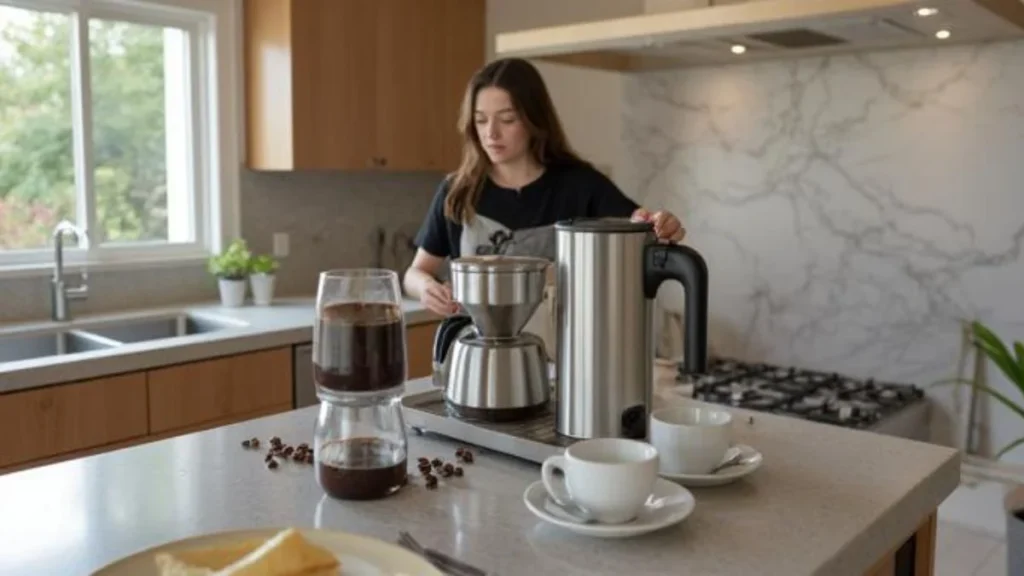
French press coffee is one of the simplest ways to brew rich and satisfying coffee at home. By using a coarse grind, maintaining the correct coffee-to-water ratio, and controlling brew time, you can consistently achieve a smooth, full-bodied cup.
While the process is straightforward, small adjustments—such as grind size, water temperature, and brewing time—can significantly impact the final flavor. As you gain experience, experimenting with these variables will help you refine your technique and discover the taste profile you enjoy most.
Whether you prefer bold, strong coffee or a more balanced cup, the French press method gives you full control over the brewing process.
If you’re exploring other brewing styles, you can also check out our Pour Over Coffee Guide or the Complete Home Coffee Brewing Guide to expand your skills further.