
Introduction
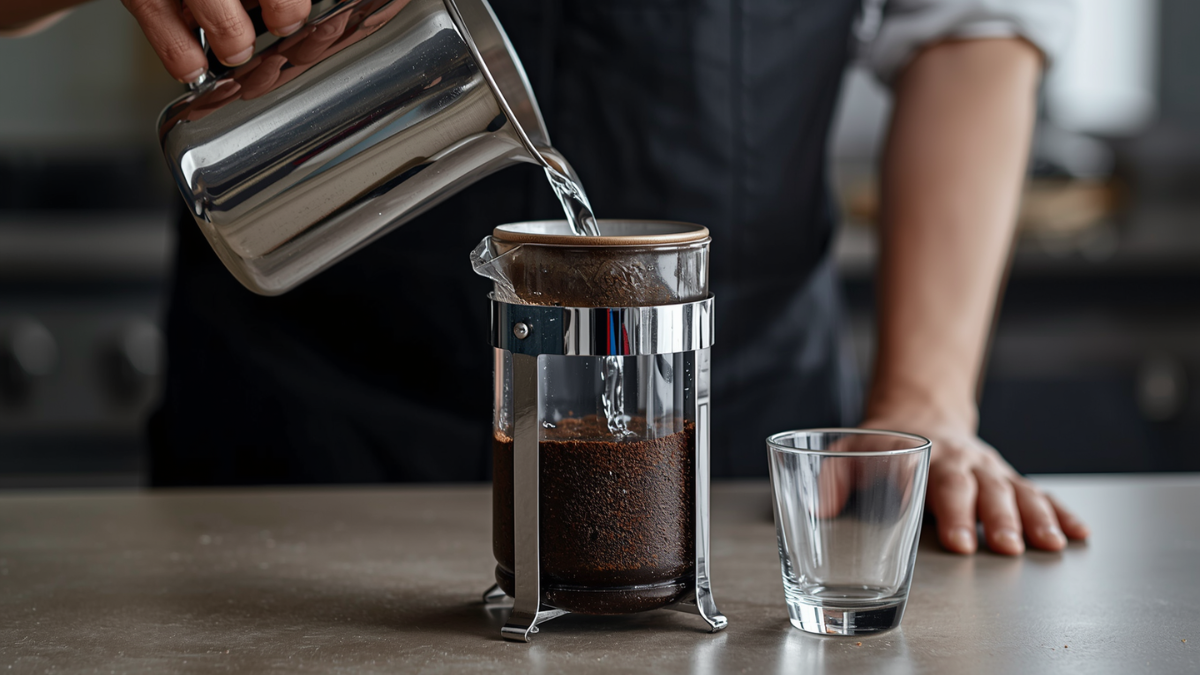
Cold brew coffee has become one of the most popular ways to enjoy smooth, refreshing coffee at home. In this cold brew coffee guide, you’ll learn how to make cold brew step by step, choose the right grind size, and use the ideal coffee-to-water ratio for consistent results.
Unlike traditional brewing methods that use hot water, cold brew coffee is made by steeping coarse coffee grounds in cold or room-temperature water for an extended period. This slow extraction process produces a naturally sweet, smooth flavor with lower acidity and less bitterness.
Whether you’re a beginner or someone looking to improve your coffee routine, cold brew is one of the easiest and most forgiving brewing methods to master.
In this guide, you’ll learn:
- What cold brew coffee is and how it works
- The best grind size for cold brew
- The ideal cold brew coffee ratio
- step-by-step brewing instructions
- common mistakes and how to fix them
- How to store and serve cold brew coffee
If you’re new to home brewing, you may also want to explore our Home Coffee Brewing Guide, which explains different brewing methods and techniques.
What Is Cold Brew Coffee?
Cold brew coffee is a brewing method in which coffee grounds are steeped in cold or room-temperature water for an extended period, usually 12 to 24 hours. Instead of using heat, the extraction happens slowly over time.
How Cold Extraction Works
When coffee is brewed with hot water, acids and oils are extracted quickly. This can sometimes lead to bitterness or sharp acidity.
Cold brew, on the other hand, extracts flavor more gently:
- Fewer acids are extracted
- Bitterness is reduced
- sweetness becomes more noticeable
This results in a smoother and more balanced cup of coffee.
Because of its brewing method, cold brew is often less harsh on the stomach compared to hot-brewed coffee.
What is steeping coffee grounds?
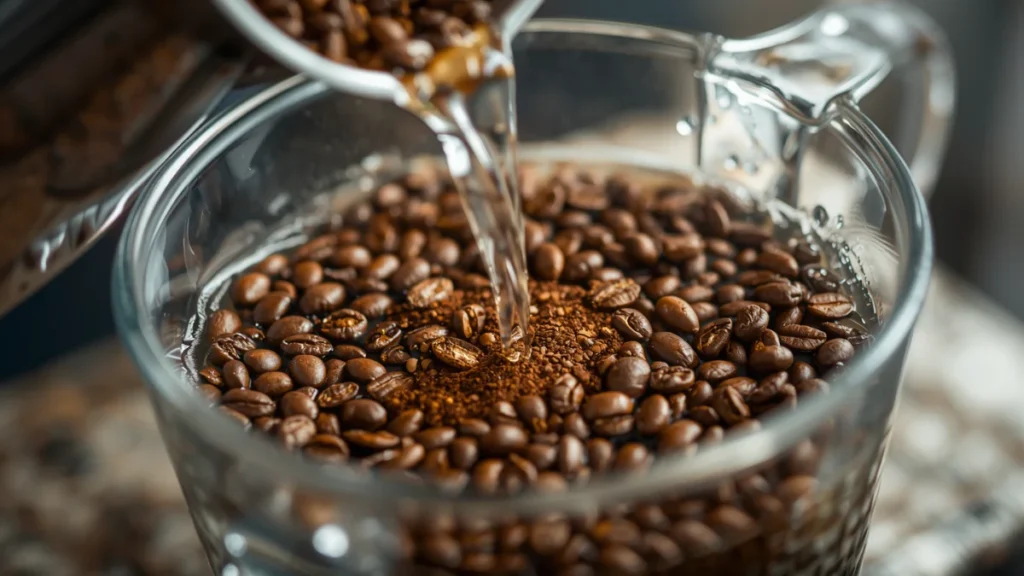
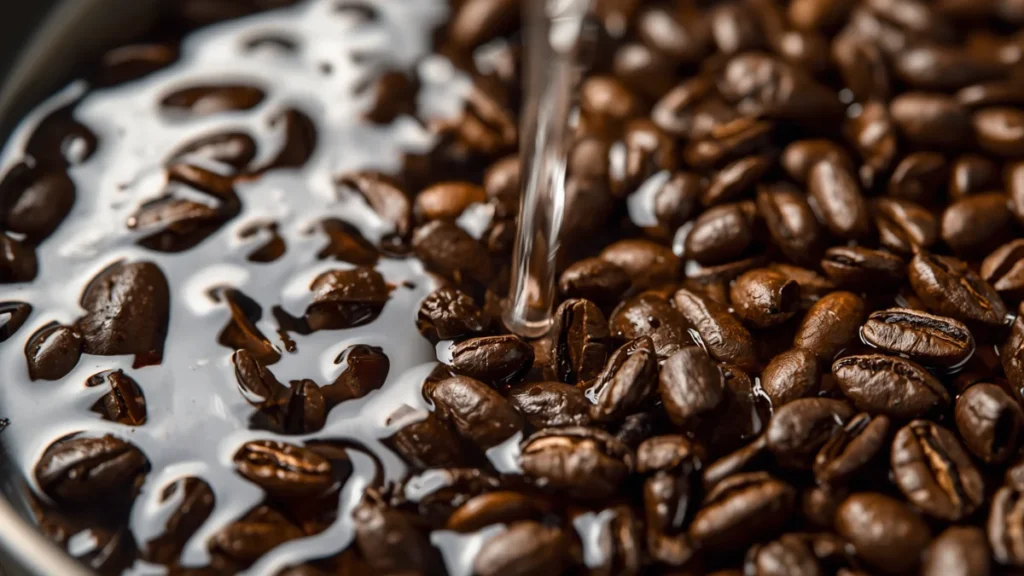
Steeping coffee grounds is a brewing method where ground coffee is immersed in hot or cold water for a set period, allowing the water to extract flavors, oils, and aromatic compounds from the beans.
Unlike drip or espresso methods, which rely on pressure or continuous water flow, steeping uses full immersion to achieve a balanced and rich flavor profile. The process begins by combining coffee grounds with water—typically in a French press, cold brew jar, or similar vessel—and letting them sit undisturbed. The duration of steeping varies: hot steeping usually takes four to five minutes, while cold steeping can last 12 to 24 hours.
Once the desired extraction is reached, the grounds are separated from the liquid, leaving a smooth, full-bodied brew.
Steeping emphasizes control over strength and taste, making it a favored technique for those seeking depth and nuance in their coffee experience.
Cold Brew vs Iced Coffee
Cold brew is often confused with iced coffee, but they are very different.
| Feature | Cold Brew | Iced Coffee |
|---|---|---|
| Brewing Method | Cold water | Hot water |
| Flavor | Smooth, mellow | Bright, acidic |
| Acidity | Low | Higher |
| Time | 12–24 hours | Few minutes |
Cold brew is brewed slowly without heat, while iced coffee is simply hot coffee poured over ice.
Why People Love Cold Brew Coffee

Smooth and Less Bitter
Cold brew reduces the extraction of bitter compounds, making it naturally smooth and easy to drink.
Lower Acidity
Many people find cold brew gentler on the stomach due to its lower acidity.
Great for Batch Brewing
Cold brew can be made in large batches and stored for several days, making it convenient for daily use.
Versatile
Cold brew can be served:
- black
- with milk
- as iced coffee
- as a concentrate
Is Cold Brew Coffee Better for Digestion?
Cold brew coffee is often described as being gentler on the stomach compared to hot brewed coffee. This is mainly due to differences in how the coffee is extracted.
Lower Acidity
Cold brew coffee typically contains lower levels of certain acids compared to hot brewed coffee. As a result, some people find it easier to drink, especially if they are sensitive to acidity.
Smoother Extraction
Because cold brew is extracted slowly using cold water, it tends to produce a smoother flavor profile. This can make it feel less harsh compared to some hot brewing methods.
Caffeine and Sensitivity
Cold brew can sometimes contain higher caffeine levels (especially when made as a concentrate). While caffeine can stimulate digestion for some people, it may also cause discomfort for others.
A Balanced Perspective
While many people find cold brew easier on their stomach, individual responses can vary. Factors such as coffee bean type, roast level, and personal tolerance all play a role.
If you are sensitive to coffee, experimenting with brewing methods like cold brew, French press, or pour over can help you find what works best for you.
Best Coffee Beans for Cold Brew
Choosing the right coffee beans can significantly improve your cold brew.
Medium Roast
Balanced flavor with mild sweetness and acidity.
Dark Roast
Produces bold, chocolatey, and smooth coffee.
Single-Origin Coffee
Cold brew can highlight unique flavors depending on origin:
- Ethiopian → fruity
- Colombian → balanced
What Grind Size Is Best for Cold Brew?
A coarse grind works best for cold brew coffee.
The texture should resemble:
👉 coarse sea salt
Why Coarse Grind Matters
- slows down extraction
- prevents bitterness
- improves filtration
If the grind is too fine:
- coffee becomes muddy
- filtering becomes difficult
For more details, see our Coffee Grind Size Chart.
What Is the Best Cold Brew Coffee Ratio?
Cold brew can be made in two ways:
Cold Brew Concentrate (Strong)
👉 Ratio: 1:5
Example:
| Coffee | Water |
|---|---|
| 100g | 500g |
This produces a strong concentrate that needs dilution.
Ready-to-Drink Cold Brew
👉 Ratio: 1:12 to 1:15
Example:
| Coffee | Water |
|---|---|
| 50g | 700g |
Adjusting Strength
- stronger → more coffee
- lighter → more water
Our Coffee Brewing Ratio Guide gives more insights into the topic
Step-by-Step Cold Brew Method
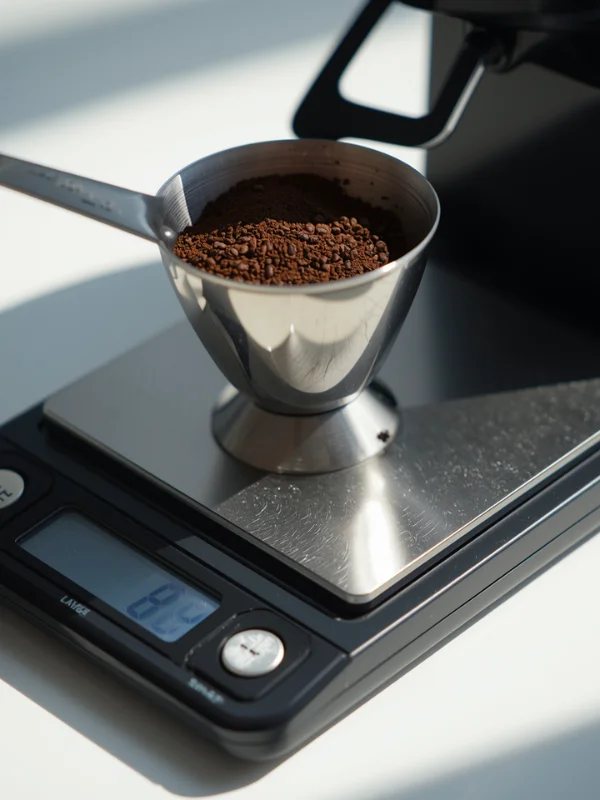
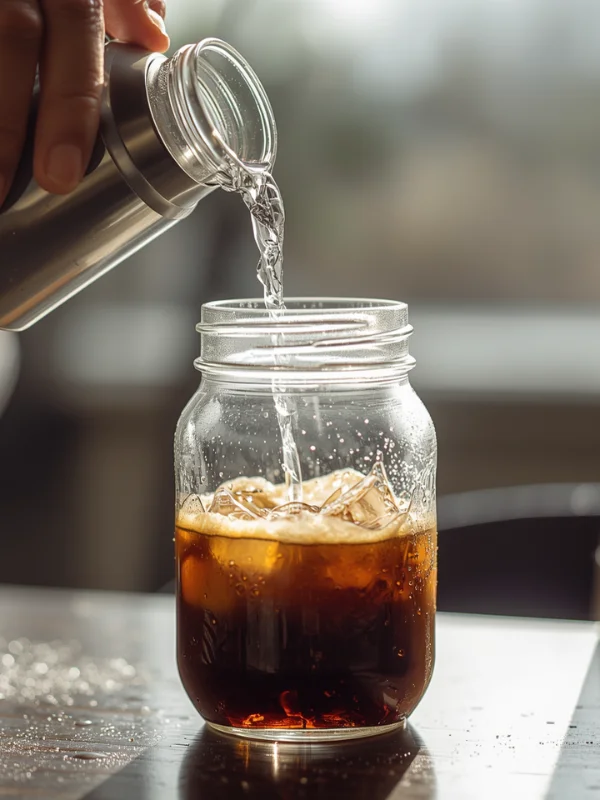
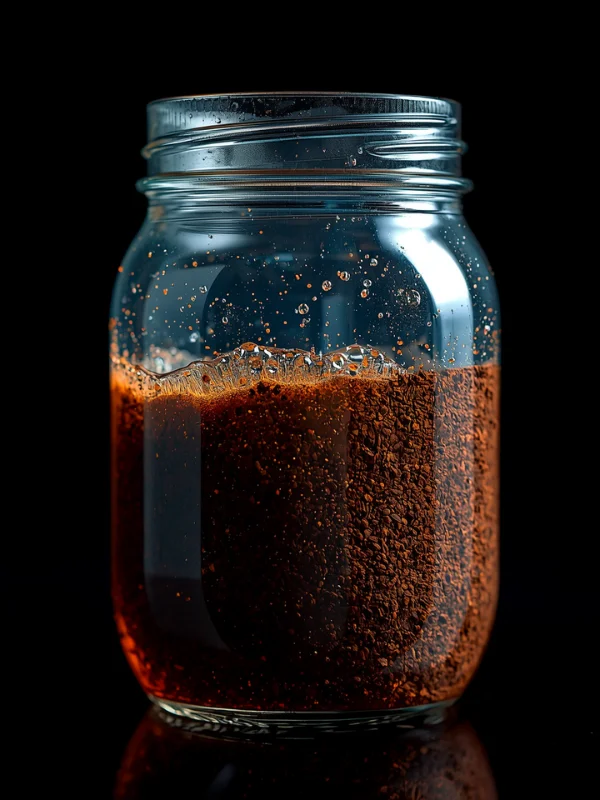
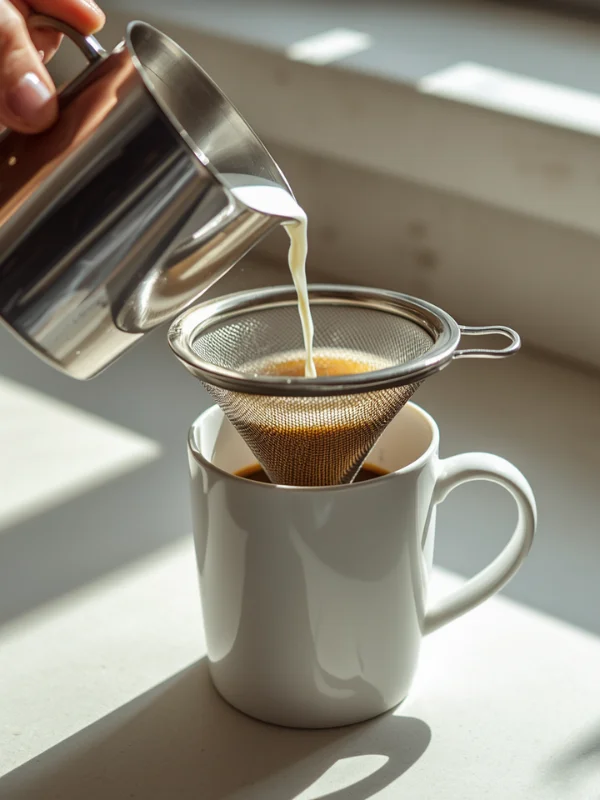
Before brewing, refer to this Coffee grind size chart to match the right grind with your method.
Step 1 – Measure Coffee
Use coarse-ground coffee.
Step 2 – Add Water
Pour cold or room-temperature water over the coffee.
Step 3 – Stir
Mix gently to ensure all grounds are saturated.
Step 4 – Steep
Let it steep for 12–24 hours.
Shorter time → lighter
Longer time → stronger
Step 5 – Filter
Use:
- paper filter
- cloth filter
- fine mesh
Step 6 – Dilute and Serve
Add water or milk, depending on taste.
Ideal Cold Brew Brewing Settings
| Variable | Recommended Range |
|---|---|
| Grind Size | Coarse |
| Water Temperature | Cold |
| Ratio | 1:5 to 1:15 |
| Brew Time | 12–24 hours |
Cold Brew Concentrate Explained
Cold brew concentrate is a stronger version of cold brew coffee made using a higher coffee-to-water ratio.
How to Use It
- dilute with water (1:1)
- mix with milk
- use for iced lattes
Concentrate allows flexibility in adjusting strength.
Cold Brew Storage Tips
Cold brew can be stored in the refrigerator for:
👉 3–5 days
Storage Tips
- use airtight container
- keep refrigerated
- avoid exposure to the air
Freshness decreases over time, so it’s best consumed within a few days.
Cold Brew Variations
Cold brew is highly versatile.
Cold Brew with Milk
Smooth and creamy.
Iced Latte
Mix with milk and ice.
Flavored Cold Brew
Add:
- vanilla
- cinnamon
- chocolate
Common Cold Brew Mistakes
Using Fine Grind
Leads to over-extraction and bitterness.
Over-Steeping
Makes coffee too strong.
Not Filtering Properly
Leaves sediment.
Wrong Ratio
Affects flavor balance.
Cold Brew Troubleshooting
Coffee tastes too weak
- increase coffee amount
- extend brew time
Coffee tastes too strong
- Dilute with water or milk
Coffee tastes flat
- Use fresher beans
Pro Tips for Better Cold Brew Coffee
Use filtered water
Improves taste and clarity.
Use fresh coffee beans
Enhances flavor.
Experiment with brew time
Adjust strength easily.
Store properly
Maintain freshness longer.
Who Should Try Cold Brew Coffee?
Cold brew is ideal for:
- beginners
- iced coffee lovers
- people sensitive to acidity
- batch brewers
Related Coffee Brewing Guides
- Home Coffee Brewing Guide
- Pour Over Coffee Guide
- French Press Coffee Guide
- Coffee Brewing Ratio Explained
- Coffee Grind Size Chart
Cold Brew Coffee Guide: FAQ
How long should cold brew steep?
12–24 hours depending on strength.
Can I use regular ground coffee?
Yes, but coarse grind works best.
Is cold brew stronger than regular coffee?
Concentrate is stronger, but usually diluted.
Can I drink cold brew without dilution?
Yes, but it may taste very strong.
Conclusion
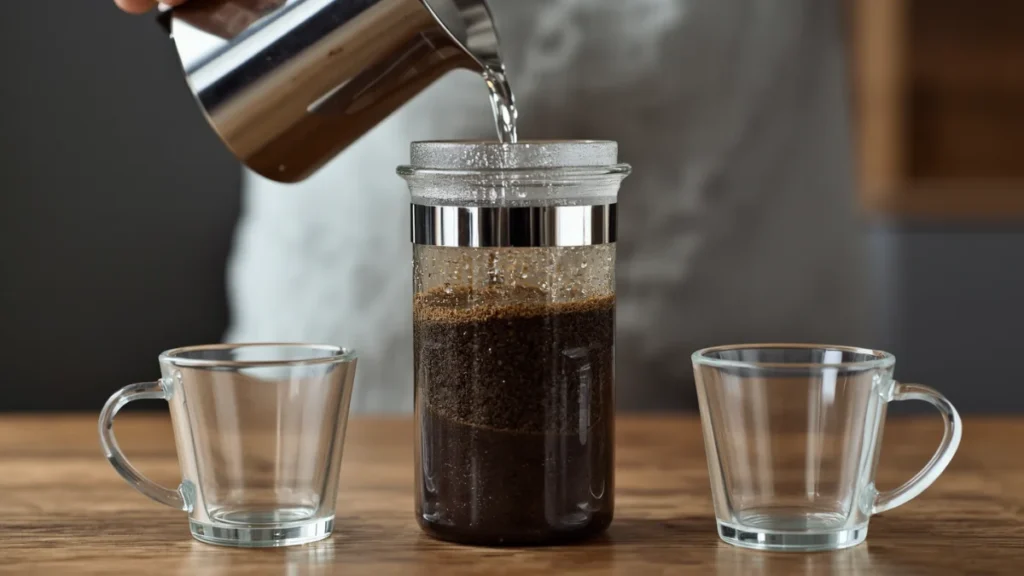
Cold brew coffee is one of the easiest and most convenient ways to make smooth, refreshing coffee at home. By using a coarse grind, the right coffee-to-water ratio, and proper steeping time, you can consistently produce a delicious cup with minimal effort.
The flexibility of cold brew allows you to adjust strength, experiment with flavors, and prepare coffee in advance for several days. Whether you prefer it black, with milk, or as a concentrate, cold brew offers a versatile and enjoyable coffee experience.
As you become more familiar with the process, small adjustments in grind size, ratio, and brew time will help you refine your results and create coffee that perfectly matches your taste.