
Introduction
A coffee scale is essential for accurate brewing, helping you measure coffee and water precisely. But if your scale is not accurate, it can lead to inconsistent ratios and poor coffee results.
Even small measurement errors can affect extraction and flavor.
If your coffee tastes off despite following the right steps, your scale might be the problem.
In this guide, you’ll learn why your coffee scale is not accurate and how to fix it quickly.
Quick Answer: Why Your Coffee Scale Is Inaccurate
👉 A coffee scale may give incorrect readings due to:
- Low battery
- Unstable surface
- Improper calibration
- Dirt or residue on sensors
- Cheap or low-quality scale
👉 Fixing these issues usually restores accuracy.
Why Accuracy Matters in Coffee Brewing
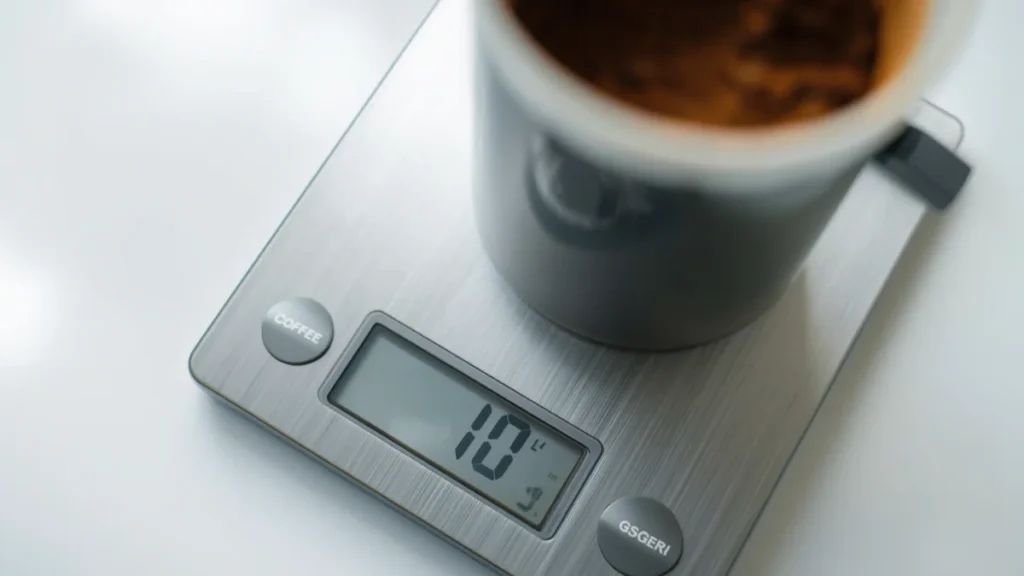
Accurate measurements ensure the correct coffee-to-water ratio. Even small weight errors can throw off your brew balance, leading to over- or under-extraction. Consistent accuracy helps you replicate your favorite flavor every time.
If Scale Is Inaccurate:
- Wrong ratio
- Inconsistent extraction
- Poor taste
- 👉 Learn more in our Coffee Brewing Ratio Explained guide
Common Causes and Fixes
When your coffee scale isn’t accurate, it’s often due to simple issues that are easy to fix. Identifying the cause helps you restore precision and improve your brewing consistency.
Low Battery
A weak battery can cause your scale to display unstable or incorrect readings. Regularly checking and replacing batteries ensures your scale performs reliably.
Problem:
A weak battery affects readings
Fix:
👉 Replace or recharge the battery
- This is the most common issue.
Unstable Surface
An uneven or shaky surface can cause your scale to fluctuate, even when nothing changes in weight. Always use a sturdy, level surface to maintain consistent readings.
Problem:
- Uneven or shaky surface
- Leads to fluctuating readings
Fix:
- Place the scale on a flat, stable surface
- Avoid soft or uneven areas.
Scale Not Calibrated
Over time, scales can drift from their original accuracy, especially with frequent use. Regular calibration ensures your measurements remain precise and trustworthy.
Problem:
- Incorrect baseline measurements
Fix:
👉 Calibrate your scale (if supported)
- Follow manufacturer instructions
- Use calibration weight if available
- 👉 Calibration restores accuracy.
Dirty or Blocked Sensors
Dust, coffee grounds, or moisture can interfere with the sensors that detect weight. Keeping your scale clean helps maintain accurate and stable readings.
Problem
Coffee grounds or dust affect sensors
Fix:
👉 Clean scale regularly:
- Wipe with a dry cloth
- Remove debris
- 👉 Keep sensors clean.
Not Taring Properly
Forgetting to tare before adding coffee or water can throw off your measurements. Always reset your scale to zero to ensure you’re only measuring what matters.
Problem:
Incorrect starting weight
Fix
👉 Always press “tare” before measuring
- 👉 Reset to zero before use.
Cheap or Low-Quality Scale
Low-quality scales often lack precision and can vary with each use. Investing in a reliable coffee scale ensures consistent results and better brewing control.
Problem:
- Inconsistent readings
- Poor sensitivity
Fix
- Upgrade to a reliable coffee scale
- See our Best Coffee Scales guide
- Accurate measurements ensure the correct coffee-to-water ratio.
👉 Investing in a reliable coffee scale like the Greater Goods Coffee & Espresso Scale means spending less time guessing—and more time enjoying good coffee. Read our complete review of the Greater Goods Coffee Scale
How to Test Your Coffee Scale
Regular testing helps confirm your scale’s accuracy and ensures consistent brewing results.
A quick check with a known weight can reveal if recalibration or replacement is needed.
Simple Test:
- Place a known weight (e.g., coin or standard item)
- Check if reading is consistent
👉 Repeat the test multiple times.
Signs Your Scale Needs Replacement
If your scale continues to give unreliable readings despite cleaning or calibration, it may be time for a new one. Persistent issues can affect the quality and consistency of your brew.
- Fluctuating readings
- Delayed response
- Inconsistent measurements
👉 Consider replacing if issues persist.
Common Mistakes to Avoid
Avoiding common errors keeps your coffee scale performing at its best. Simple awareness can prevent inaccurate readings and brewing frustration.
Ignoring Calibration
Skipping calibration leads to gradual measurement drift. Regular calibration keeps your scale reliable and precise.
Leads to inaccurate results
Using Uneven Surface
Placing your scale on an unstable or soft surface can distort readings. Always ensure it’s on a firm, level base for accuracy.
Causes unstable readings
Not Maintaining Scale
Neglecting to clean your scale allows buildup that interferes with sensors. Routine maintenance ensures consistent performance.
Dirt affects performance
Tips for Accurate Measurements
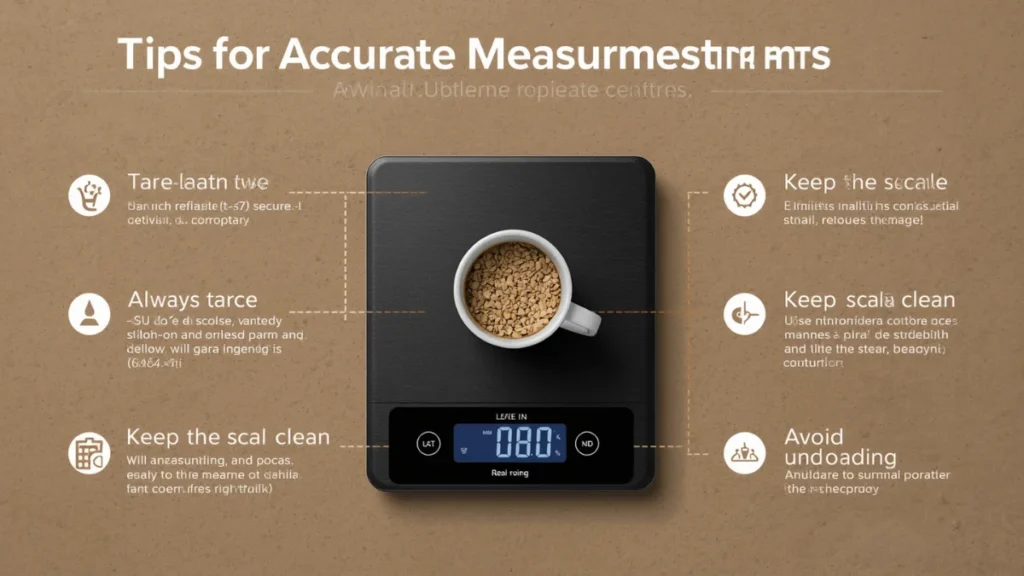
- Use a flat surface
- Always tare before use
- Keep the scale clean
- Avoid overloading
👉 Small habits improve accuracy.
Frequently Asked Questions
Why is my coffee scale giving different readings?
It may be due to an unstable surface, a low battery, or calibration issues.
How do I calibrate my coffee scale?
Follow the manufacturer’s instructions using calibration weights.
Do I really need an accurate coffee scale?
Yes. It ensures a proper ratio and consistent results.
Can a cheap scale affect the taste of coffee?
Yes. Inaccurate measurements lead to poor extraction.
Final Thoughts
A coffee scale is a simple but essential tool for brewing better coffee. If your scale is not accurate, it can affect your results more than you might expect.
Fortunately, most issues—such as low battery or improper use—are easy to fix. By maintaining your scale and using it correctly, you can achieve more consistent and better-tasting coffee.
👉 To upgrade your setup, read our Coffee Brewing Tools Guide
👉 For brewing techniques, see our Home Coffee Brewing Guide