
Introduction
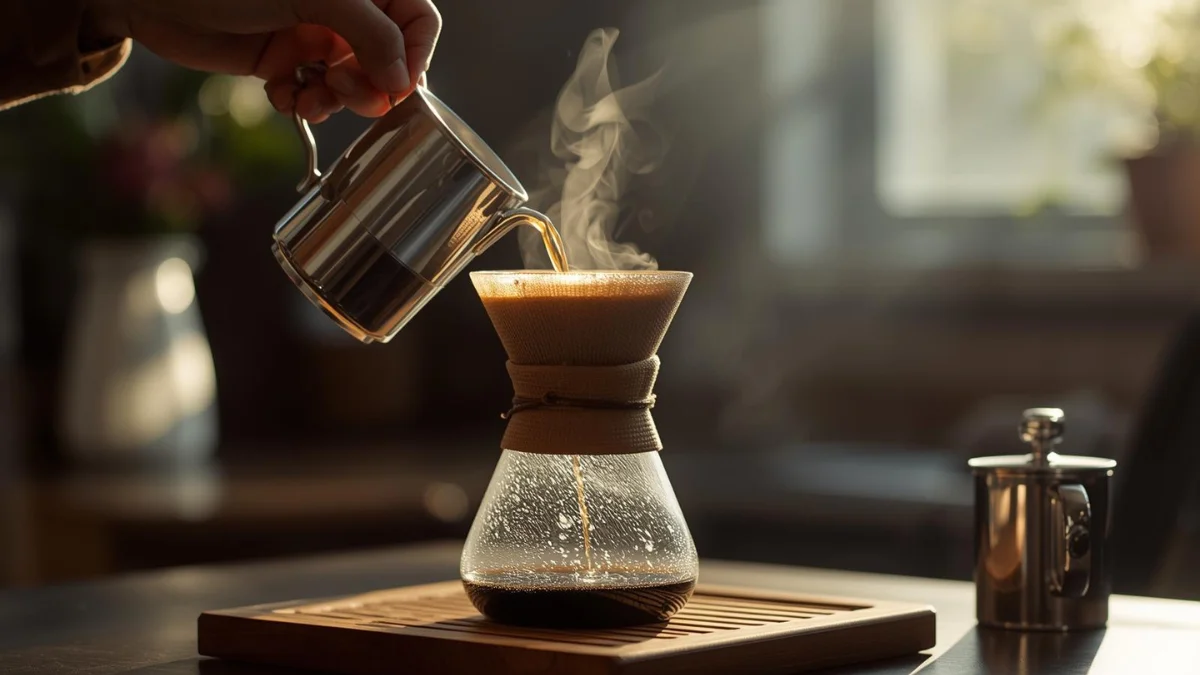
Brewing great coffee at home is easier than many people think. With the right knowledge, tools, and brewing methods, anyone can make café-quality coffee without expensive machines.
This home coffee-brewing guide explains everything you need to know to make better coffee at home, including coffee grinders, brewing methods, essential equipment, and proper coffee-to-water ratios.
Whether you’re completely new to coffee brewing or looking to improve your current setup, understanding the basics of coffee extraction, grind size, and brewing techniques can dramatically enhance your coffee’s flavor.
By the end of this guide, you’ll understand how to consistently brew better coffee at home.
In this guide, you’ll learn:
- Coffee grinding basics
- Popular brewing methods
- Essential brewing equipment
- Coffee-to-water ratios
- Common mistakes to avoid
- How to build a beginner setup
Use this guide as your starting point, then explore detailed guides for each brewing method and tool.
Table of Contents
Why Home Coffee Brewing Is Growing
Over the past decade, home coffee brewing has surged in popularity as more people embrace specialty coffee. Many coffee drinkers now seek more than generic supermarket blends—they want to understand how beans, grind size, and brewing techniques shape flavor.
Brewing at home also invites experimentation with different beans, roast levels, and methods. A pour-over can highlight bright, fruity notes, while a French press yields a richer, fuller cup. Recognizing these distinctions helps coffee lovers find the style that best suits their taste.
Accessibility has also fueled this trend. Quality tools like manual grinders, pour-over drippers, and coffee scales are now more affordable and easier to find. With just a few essentials, anyone can craft coffee that rivals a café experience.
What Is Home Coffee Brewing?
Home coffee brewing refers to preparing coffee at home using manual or automated brewing methods rather than purchasing it from cafés or coffee shops.
Popular home brewing methods include:
- Pour over coffee
- French press coffee
- Cold brew coffee
- Drip coffee makers
- Espresso machines
The main advantages of home coffee brewing include:
Better flavor control
Brewing your own coffee lets you fine-tune grind size, brew time, and water temperature to match your taste.
Cost savings
Home brewing is far more affordable than buying coffee from cafés every day.
Experimentation
Exploring different beans, roast levels, and brewing methods reveals a wide range of flavors.
These benefits have made home coffee brewing increasingly popular among coffee enthusiasts worldwide.
Why Coffee Grinding Matters
Grinding coffee correctly is one of the most important steps in brewing great coffee.
Coffee beans contain aromatic oils and compounds that create flavor. Once coffee is ground, these compounds begin to oxidize quickly, which reduces freshness and flavor.
For this reason, freshly ground coffee almost always tastes better than pre-ground coffee.
Grinding coffee also determines how quickly water extracts flavor from the coffee grounds.
If the grind size is incorrect, the coffee may taste:
- bitter
- sour
- weak
- over-extracted
Understanding grind size is essential for every brewing method.
Choosing the right grinder is crucial, and this manual coffee grinder buying guide will help you make an informed decision.
Why Freshly Ground Coffee Tastes Better
Coffee beans contain natural oils and aromatic compounds that create flavor and aroma. Once coffee beans are ground, these compounds are exposed to oxygen and begin to degrade quickly.
This process, called oxidation, causes coffee to lose freshness and flavor over time. Pre-ground coffee can lose much of its aroma within hours or days after grinding.
Grinding coffee immediately before brewing preserves these aromatic compounds and produces a fresher, more flavorful cup of coffee.
Fresh grinding also allows you to control the grind size precisely for each brewing method. Different brewing methods require different grind sizes to ensure proper extraction.
For example:
- Pour-over coffee requires a medium grind size
- The French press requires a coarse grind size
- Cold brew requires an extra coarse grind size
When the grind size is correct, water extracts flavor evenly from the coffee grounds. When the grind size is incorrect, the coffee may taste bitter, sour, or weak.
This beginner’s guide to coffee beans explains which roast and grind pair perfectly with your favorite brewing style.
Types of Coffee Grinders
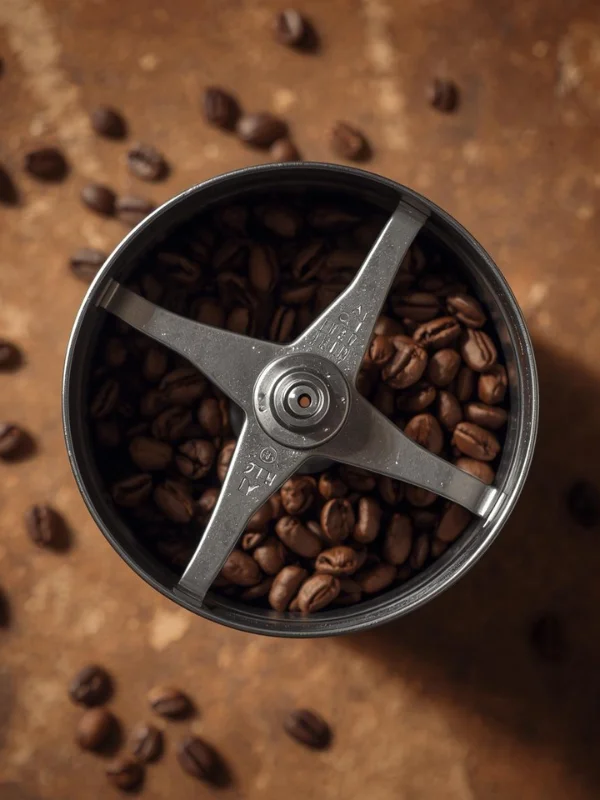
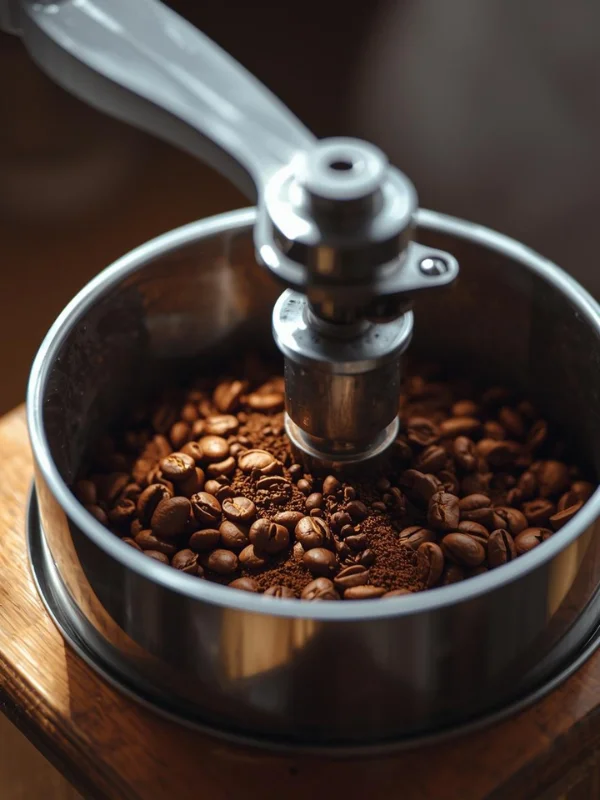
Coffee grinders generally fall into two categories: blade grinders and burr grinders.
Blade vs Burr Grinder (Quick Comparison Table)
| Type | Consistency | Control | Recommendation |
|---|---|---|---|
| Blade | Low | Low | ❌ Not ideal |
| Burr | High | High | ✅ Recommended |
Blade Grinders
Blade grinders use spinning blades to chop coffee beans into smaller pieces.
Advantages:
- inexpensive
- widely available
- compact size
Disadvantages:
- inconsistent grind size
- uneven extraction
- difficult to control the grind size
Because blade grinders create uneven particles, they often produce inconsistent coffee flavor.
Burr Grinders
Burr grinders crush coffee beans between two burr surfaces to produce consistent particle sizes.
Advantages:
- uniform grind size
- better extraction
- adjustable grind settings
Disadvantages:
- higher cost
- larger size
Most coffee experts recommend burr grinders because they produce more consistent coffee grounds.
Our Burr Vs Blade grinder article explains these points in more detail
Coffee Grind Size Chart
Different brewing methods require different grind sizes.
| Brewing Method | Grind Size |
|---|---|
| Espresso | Fine |
| Pour Over | Medium |
| Drip Coffee | Medium |
| French Press | Coarse |
| Cold Brew | Extra Coarse |
Before brewing, refer to this coffee grind size chart to match the right grind with your method.
Using the correct grind size ensures proper extraction and balanced flavor.
- If the grind is too fine, the coffee may become bitter.
- If the grind is too coarse, the coffee may taste weak or sour.
How Grind Size Affects Taste
Short explanation:
- Fine → bitter
- Coarse → sour
- Correct → balanced
Understanding Coffee Extraction
Coffee brewing works by extracting flavor compounds from ground coffee using hot water. Grind size plays a major role in determining how quickly this extraction occurs.
Finer coffee grounds have more surface area, which allows water to extract flavor more quickly. Coarser coffee grounds have less surface area, which slows down the extraction process.
If coffee grounds are too fine for a particular brewing method, water may extract too much flavor too quickly. This can produce bitter or over-extracted coffee.
If coffee grounds are too coarse, water may pass through too quickly and fail to extract enough flavor. This can produce weak or sour coffee.
Matching grind size to the correct brewing method ensures that extraction occurs at the right speed, resulting in balanced and flavorful coffee.
The taste of coffee is also affected by the oils and fine-ground buildup inside the grinder. Check out this Coffee Grinder Cleaning Guide for a step-by-step tutorial.
Coffee Brewing Methods
Several brewing methods are commonly used for home coffee brewing. Each method produces a different flavor profile and brewing experience.
The three most popular methods for beginners are pour over, French press, and cold brew.
Brewing Methods Comparison
| Method | Flavor | Difficulty | Time |
|---|---|---|---|
| Pour Over | Clean & bright | Medium | 2–3 min |
| French Press | Rich & full | Easy | 4 min |
| Cold Brew | Smooth & low acid | Easy | 12–24 hr |
Pour Over Coffee Brewing
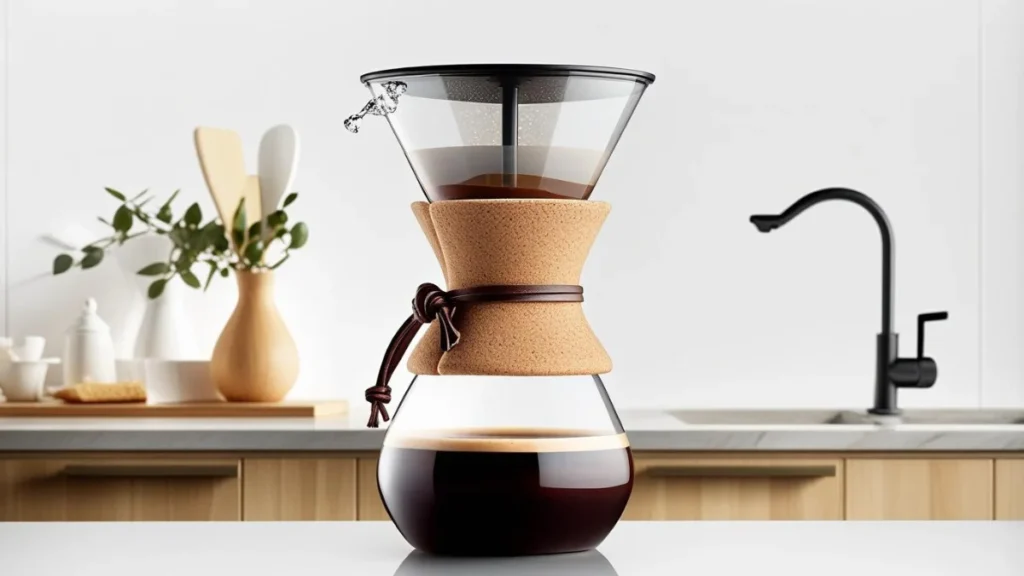
Pour-over coffee is one of the most popular brewing methods for coffee enthusiasts.
This method involves slowly pouring hot water over coffee grounds inside a filter. The water extracts flavor from the grounds as it flows through them into a carafe or mug.
Why People Love Pour-Over Coffee
Pour-over coffee produces a clean and bright cup with complex flavors.
Advantages of pour-over brewing include:
- precise brewing control
- clean flavor profile
- simple equipment
Popular pour-over brewers include:
- Hario V60
- Chemex
- Kalita Wave
Basic Pour Over Brewing Steps
- Heat water to about 200°F (93°C)
- Place a filter in the brewer
- Add medium-ground coffee
- Pour a small amount of water to bloom the coffee
- Wait 30 seconds
- Slowly pour the remaining water in circular motions
- Allow coffee to drip through the filter
The entire process usually takes 2–3 minutes.
Next Step
Want to master this method?
→ Read the Pour Over Guide
Tips for Better Pour-Over Coffee
Pour-over brewing gives coffee drinkers precise control over the brewing process. However, small adjustments can make a big difference in flavor.
Here are a few tips that can help improve your pour-over coffee:
Use freshly roasted beans
Fresh coffee beans produce more complex and vibrant flavors than stale beans.
Maintain consistent pouring
Pour water slowly and evenly in circular motions to ensure that all coffee grounds are evenly saturated.
Use a coffee scale
Measuring coffee and water accurately improves brewing consistency.
Control water temperature
Water that is too hot may over-extract the coffee, while water that is too cool may produce sour flavors.
With a little practice, pour-over brewing can produce exceptionally clean and flavorful coffee.
If you want more control over flavor, learn how to make pour over coffee at home with the right method and grind size.
French Press Coffee Brewing
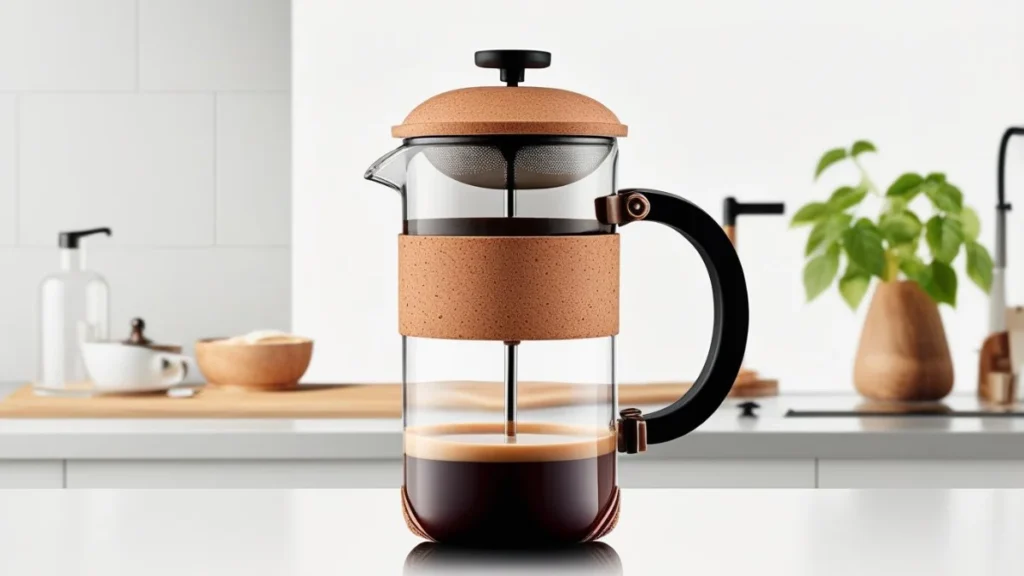
French press coffee uses immersion brewing, where coffee grounds steep directly in hot water.
After steeping, a metal plunger filter separates the grounds from the brewed coffee.
Benefits of French Press Coffee
French press coffee produces a rich and full-bodied cup.
Advantages include:
- simple brewing process
- minimal equipment
- strong flavor extraction
French press brewing works best with coarse-grind coffee.
Basic French Press Brewing Steps
- Add coarse-ground coffee to the French press
- Pour hot water over the grounds
- Stir gently
- Allow coffee to steep for 4 minutes
- Press the plunger slowly
- Pour and enjoy
Because the French press uses a metal filter, more oils remain in the coffee, producing a heavier body.
Why French Press Coffee Has a Fuller Body
French press coffee often tastes richer and heavier than coffee brewed with paper filters. This is because a French press uses a metal mesh filter rather than a paper filter.
Paper filters trap many of the natural oils found in coffee grounds. Metal filters allow more of these oils to remain in the brewed coffee.
These oils contribute to the body and mouthfeel of the coffee, producing a fuller and heavier texture.
However, because the filter is less fine than paper filters, small particles of coffee grounds may remain in the cup. This sediment is normal and is part of the traditional French press brewing experience.
Learn the full process in our French Press Coffee Guide
Cold Brew Coffee
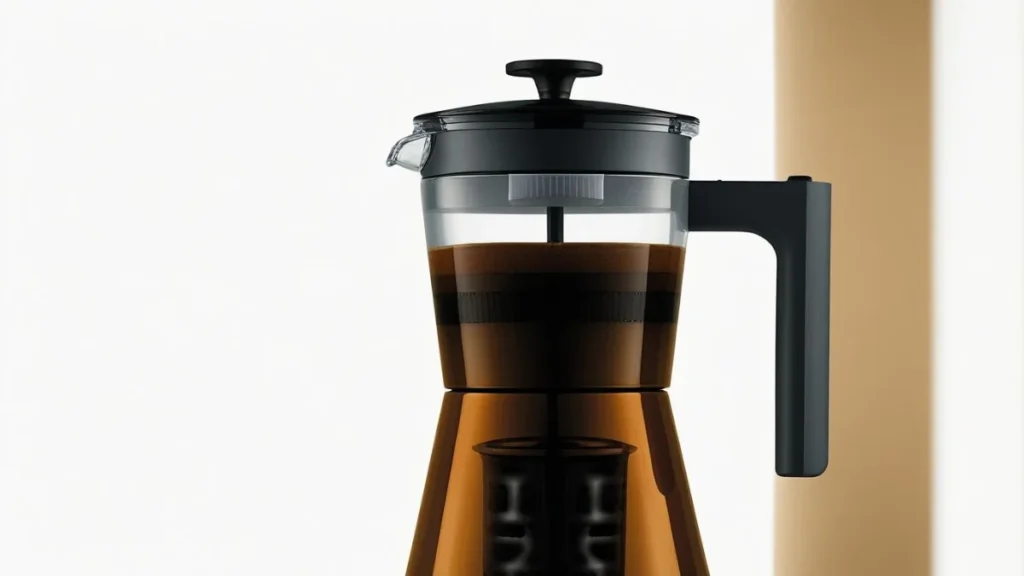
Cold-brew coffee is made with cold or room-temperature water instead of hot water.
Coffee grounds steep for a long time, usually 12 to 24 hours.
This slow extraction produces a smooth, low-acid coffee.
Advantages of Cold Brew Coffee
Cold brew coffee is popular because it is:
- less acidic,
- smooth and sweet,
- easy to prepare in large batches
Cold brew is usually brewed as a concentrate, which can be diluted with water or milk.
Basic Cold Brew Method
- Combine coarse coffee grounds with cold water
- Stir gently
- Cover and refrigerate
- Steep for 12–24 hours
- Filter the coffee
- Dilute with water or milk
Cold brew can be stored in the refrigerator for several days.
See our complete Cold Brew Coffee Guide for detailed steps
Cold Brew vs Iced Coffee
Cold brew coffee is often confused with iced coffee, but the two beverages are prepared differently.
Cold brew coffee is made by steeping coffee grounds in cold water for an extended period, usually between 12 and 24 hours.
Iced coffee, on the other hand, is brewed using hot water and then cooled by pouring it over ice.
Because cold brew is extracted slowly using cold water, it tends to have lower acidity and a smoother flavor profile.
Iced coffee typically retains more acidity and brightness because it is brewed with hot water.
Both drinks can be refreshing, but they offer different flavor experiences.
How to Choose the Right Brewing Method
- If you want clean coffee → pour over
- If you want strong → French press
- If you want smooth → cold brew
Essential Coffee Brewing Equipment
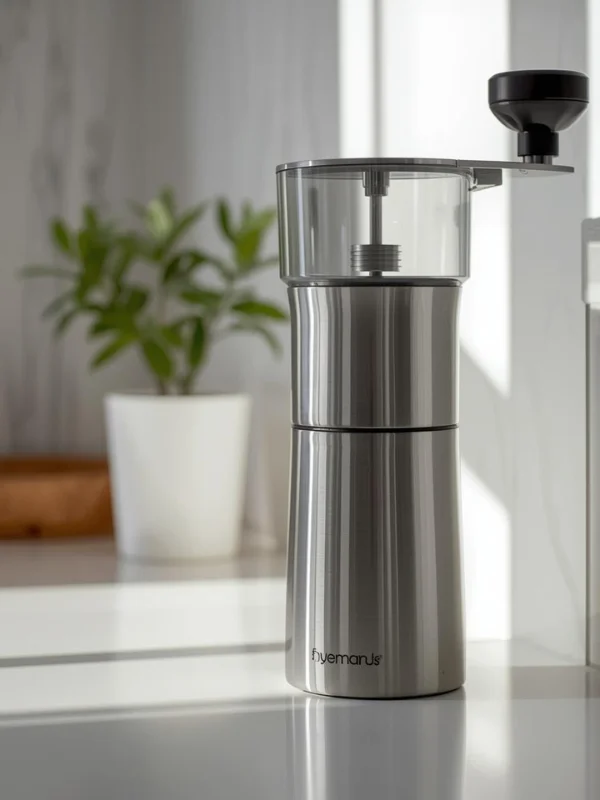
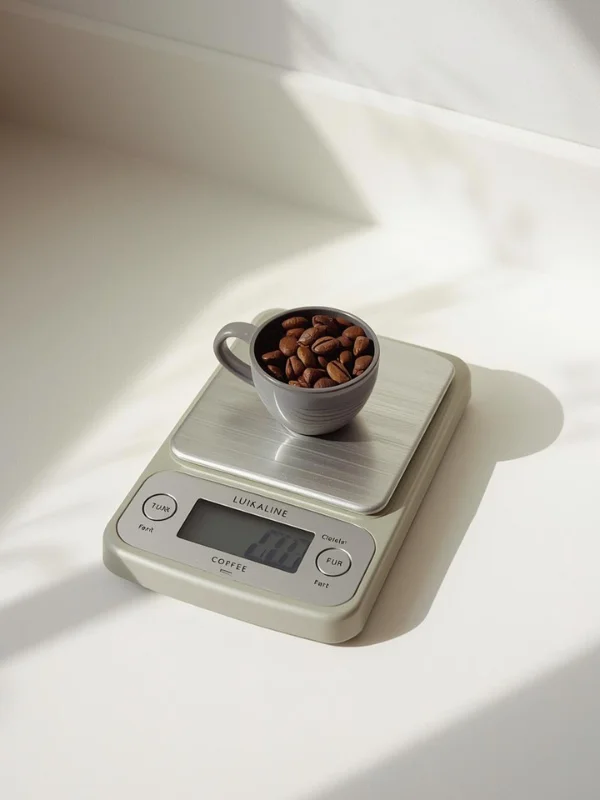
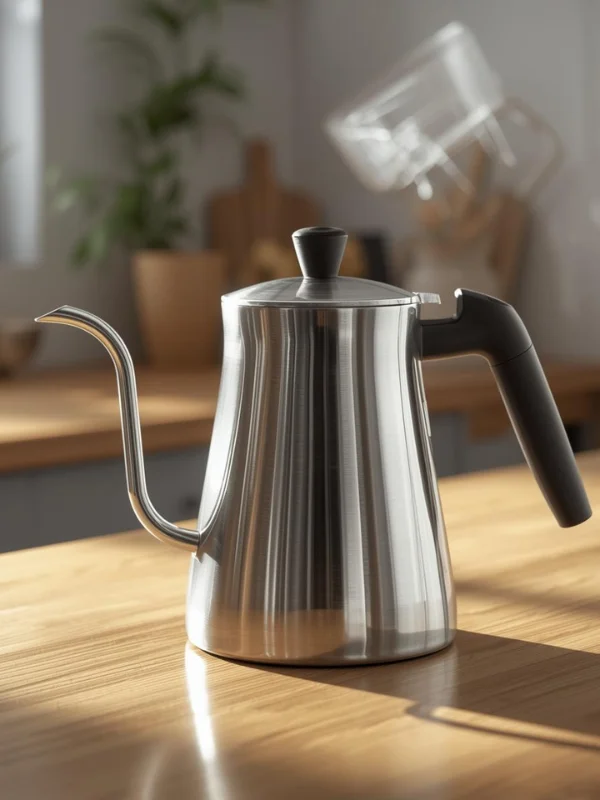
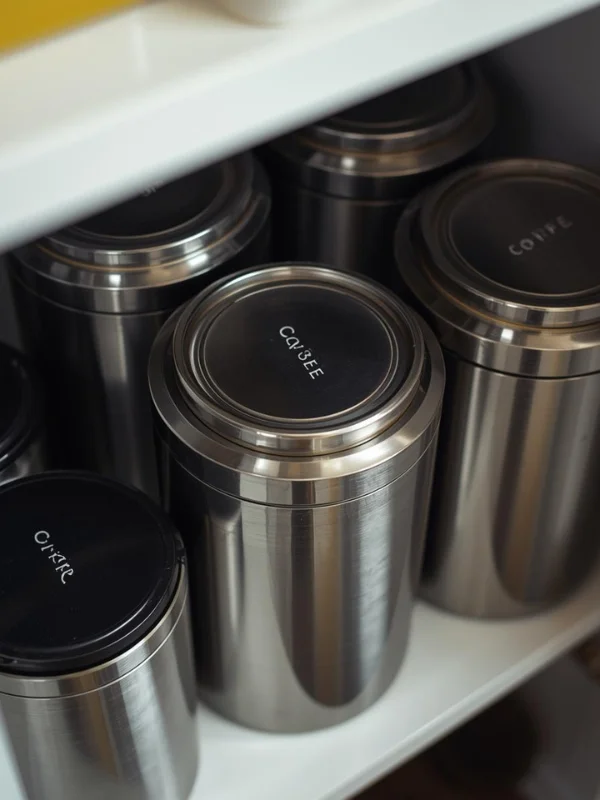
While you don’t need expensive equipment to brew good coffee, a few tools can significantly improve its quality.
Coffee Grinder
A burr grinder is the most important tool for home coffee brewing.
Grinding coffee immediately before brewing preserves flavor and aroma.
Coffee Scale
A digital coffee scale helps measure precise coffee and water amounts.
Using accurate measurements improves brewing consistency.
Gooseneck Kettle
Gooseneck kettles are especially useful for pour-over coffee because they allow precise control over the water flow.
Coffee Storage Container
Coffee beans should be stored in airtight containers away from light, heat, and oxygen.
Proper storage helps maintain freshness longer.
Beginner Equipment Setup
- Burr grinder
- Pour over brewer
- Kettle
- Scale
Read our Essential Coffee Brewing Tools guide for a detailed analysis on the topic
Why Water Quality Matters
Water is the main ingredient in coffee, making up about 98% of the final beverage. As a result, water quality significantly impacts coffee flavor.
Water that contains too many minerals may produce harsh or dull flavors. Water that is too pure, such as distilled water, may fail to extract coffee properly.
Many coffee professionals recommend using filtered water with balanced mineral content. This helps ensure proper extraction while maintaining clean and pleasant flavors.
Coffee Brewing Ratios
The coffee-to-water ratio refers to the amount of coffee used relative to the amount of water.
A common starting ratio is:
1:16 coffee to water
Example:
- 20 grams of coffee
- 320 grams of water
Different brewing methods use slightly different ratios.
| Method | Ratio |
|---|---|
| Pour Over | 1:16 |
| French Press | 1:15 |
| Cold Brew | 1:5 |
Adjusting the ratio allows you to control coffee strength.
Learn more in our Coffee Brewing Ratio Explained guide
Water Temperature
Water temperature affects how coffee flavors are extracted.
The ideal brewing temperature is:
195°F – 205°F (90–96°C)
If the water is too hot, the coffee may taste bitter.
If the water is too cool, the coffee may taste sour or under-extracted.
Adjusting Coffee Strength
Coffee brewing ratios can be adjusted to suit personal taste.
If coffee tastes too strong or bitter, you can increase the amount of water or reduce the amount of coffee.
If coffee tastes weak or watery, you can increase the amount of coffee used during brewing.
Small adjustments to the brewing ratio can dramatically change the flavor and strength of the final cup.
Experimenting with different ratios allows you to discover the brewing strength that you enjoy most.
The Coffee Bloom
When hot water first contacts fresh coffee grounds, carbon dioxide gas escapes.
This process is called coffee bloom.
Blooming allows trapped gases to escape, improving extraction.
A typical bloom lasts about 30–45 seconds.
Common Coffee Brewing Mistakes
Many beginners experience poor coffee flavor due to simple mistakes.
Using Pre-Ground Coffee
Pre-ground coffee loses flavor quickly.
Wrong Grind Size
Each brewing method requires a specific grind size.
Incorrect Coffee Ratio
Using too much or too little coffee affects strength and balance.
Poor Water Quality
Coffee is mostly water, so water quality matters.
Your First Coffee Setup
Make it actionable:
- Step 1: Buy grinder
- Step 2: Choose method
- Step 3: Use ratio
With just these tools, you can produce high-quality coffee at home.
Frequently Asked Questions
What is the easiest coffee brewing method for beginners?
French press and pour-over are both beginner-friendly brewing methods.
What grind size should I use?
Grind size depends on brewing method. Pour over uses a medium grind, while the French press uses a coarse grind.
Why does my coffee taste bitter?
Coffee can taste bitter if the grind is too fine, the water is too hot, or the coffee is over-extracted.
Is freshly ground coffee better?
Yes. Freshly ground coffee preserves aroma and flavor better than pre-ground coffee.
Final Thoughts

Learning how to brew coffee at home can significantly improve the flavor and quality of your daily coffee.
By understanding grind size, brewing methods, and proper coffee ratios, you can produce consistently delicious coffee without complicated equipment.
Where to Go Next
If you’re ready to improve your coffee:
- Improve taste → Coffee Ratio Guide
- Learn grinding → Manual Coffee Grinder Guide
- Master brewing → Pour Over / French Press