
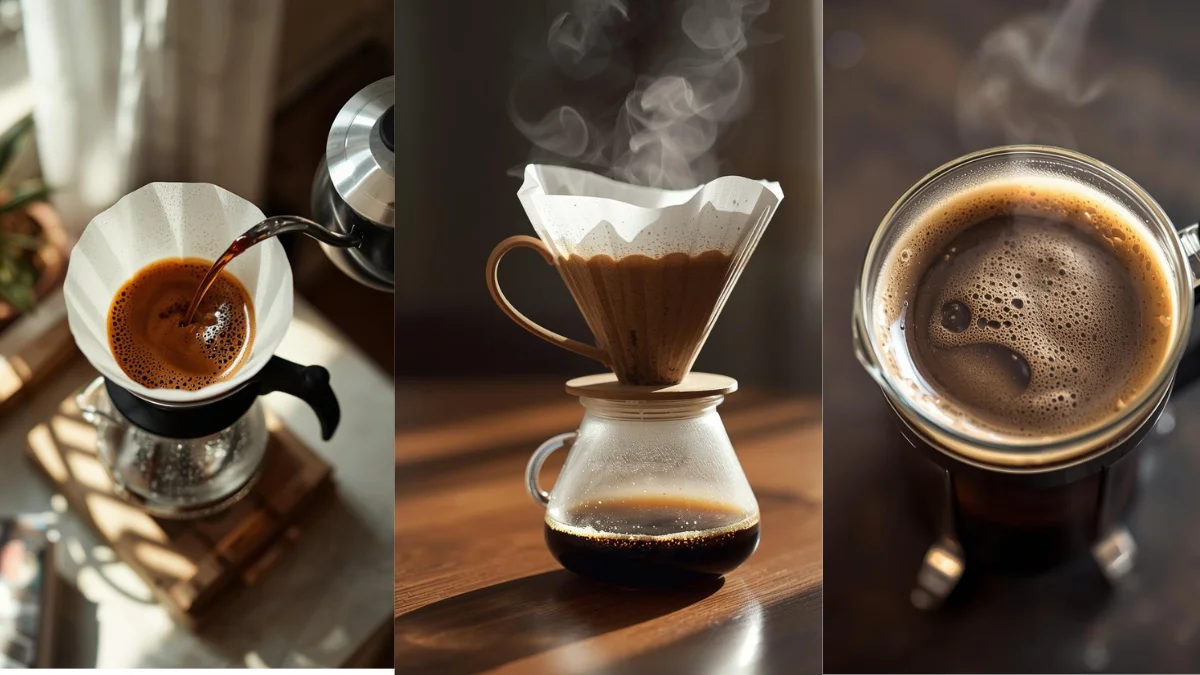
Pour-over coffee is one of the most popular manual brewing methods for coffee lovers who want greater control over flavor and extraction. In this pour-over coffee guide, you’ll learn how to brew better coffee at home using simple tools, the right grind size, and the ideal coffee-to-water ratio.
Unlike automatic coffee machines, the pour-over method involves manually pouring hot water over freshly ground coffee in a filter. As the water flows slowly through the coffee bed, it extracts delicate aromas and complex flavor compounds that often remain hidden in other brewing methods. The result is a clean, balanced cup that highlights the unique character of the coffee beans.
This brewing technique has become increasingly popular among home baristas because it combines precision with simplicity. Small adjustments—such as grind size, water temperature, or pouring technique—can dramatically influence the final taste of your coffee.
In this guide, you’ll learn:
- What pour-over coffee is and why it produces such a clean flavor
- The essential equipment needed for brewing
- The ideal pour-over grind size and pour-over coffee ratio
- a simple step-by-step brewing method
- Common Mistakes Beginners Should Avoid
Whether you’re using a Hario V60, Chemex, or Cosori, this guide will help you master the pour-over method and brew café-quality coffee at home.
If you're new to home brewing, start with our Home Coffee Brewing Guide.
What is Pour-Over Coffee?
Pour-over coffee is a manual brewing method where hot water is slowly poured over ground coffee in a paper filter. As the water passes through the coffee grounds, it extracts flavor compounds and drips into a carafe or mug, producing a clean and balanced cup of coffee.
This brewing method allows greater control over grind size, water temperature, and brewing ratio compared with automatic coffee machines.
Why manual brewing works so well
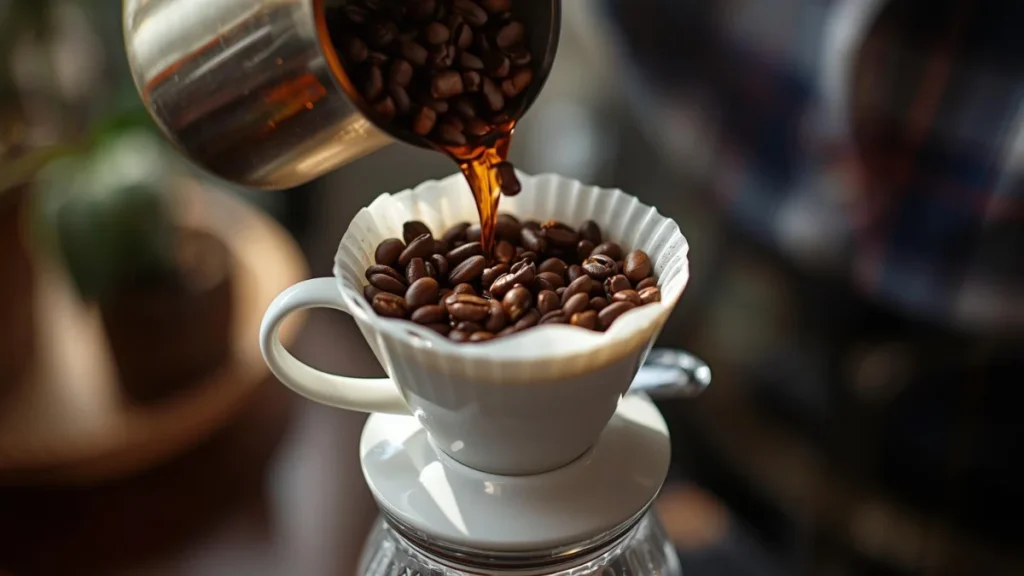
- Precision: You can adjust the water temperature, pour rate, and coffee-to-water ratio to achieve your ideal flavor balance.
- Consistency: When done correctly, the pour-over method produces a clean, even extraction every time.
- Connection: The process encourages mindfulness, turning coffee brewing into a calming ritual rather than a routine task.
Flavor clarity:
Because the water flows evenly through the coffee grounds, pour over brewing highlights the beans’ natural characteristics—bright acidity, floral notes, or chocolatey undertones. The paper filter also removes oils and fine particles, resulting in a crisp, smooth cup.
Control over brewing variables:
From grind size to pouring technique, every detail influences the final taste. This level of control is what makes pour-over coffee both an art and a science.
Why People Love Pour-Over Coffee
Pour-over coffee has earned a loyal following because it delivers exceptional flavor and a deeply satisfying brewing experience. It’s a method that combines simplicity with precision, allowing anyone to craft a café-quality cup at home.
Flavor clarity
- The use of paper filters removes oils and fine sediment, resulting in a clean, crisp cup.
- Each sip highlights the coffee’s natural notes—whether fruity, nutty, or chocolatey—without bitterness or heaviness.
Brewing control
You have full control over every step of the process, including:
- Water temperature – affects extraction and flavor balance.
- Pouring speed – influences how evenly the coffee brews.
- Brewing ratio – determines strength and body.
- This flexibility lets you fine-tune your coffee to perfectly match your taste.
Simple equipment
- All you need is a dripper, filter, kettle, and fresh coffee beans—no complicated machines required.
Pour Over Brewing Equipment
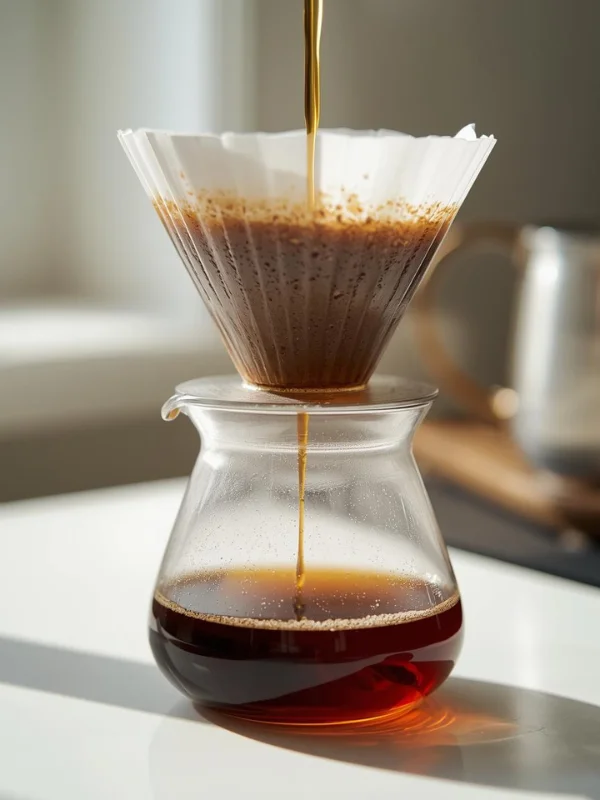
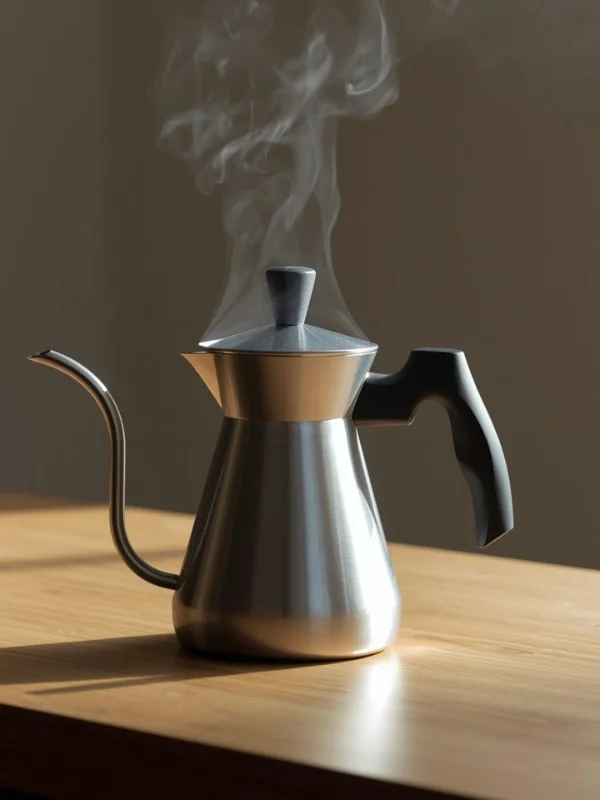
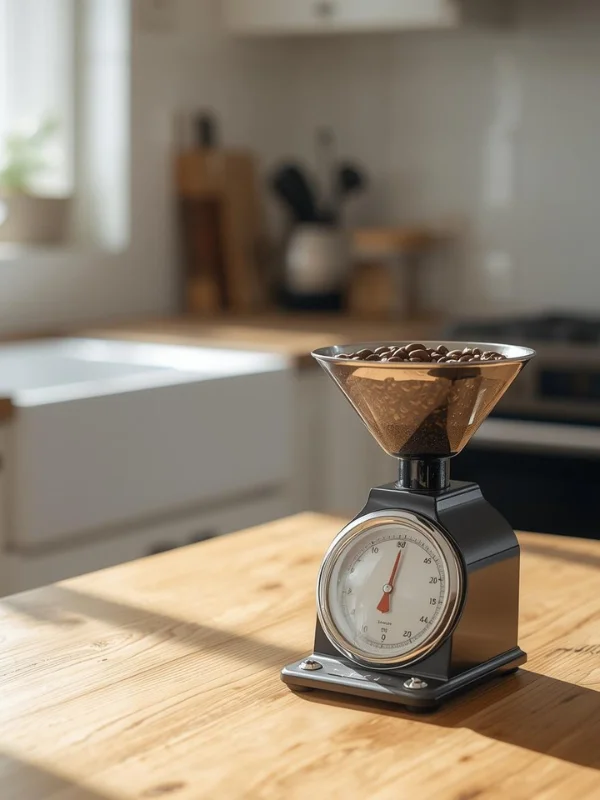
To brew exceptional pour-over coffee, you don’t need a complicated setup—just a few key tools that help you achieve consistency and control.
Pour Over Dripper
The dripper is the heart of the pour-over method.
- Hario V60: Known for its spiral ridges and large single hole, it allows for precise control over flow rate and extraction.
- Chemex: A glass brewer with a thick paper filter that produces an exceptionally clean, smooth cup. Its elegant design also makes it a countertop favorite.
- Cosori: Its sturdy, eco-friendly design with a wide mouth, ergonomic handle, and reusable filter makes it perfect for easy coffee brewing on camping or hiking trips.
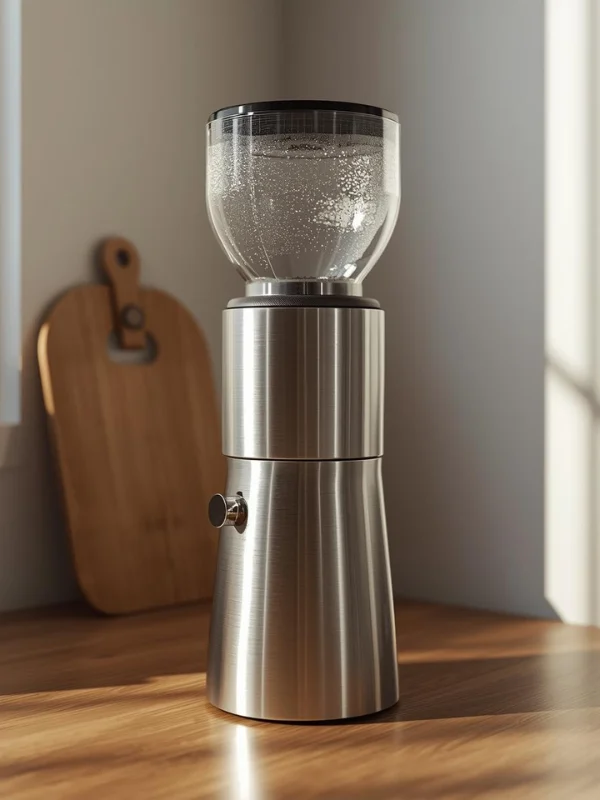
Coffee Grinder
A burr grinder is essential for a consistent grind size. Unlike blade grinders, burr grinders crush beans evenly, ensuring balanced extraction and clearer flavor.
Gooseneck Kettle
This kettle’s narrow spout allows for precise control over water flow and direction, helping you pour evenly across the coffee bed for consistent saturation.
Coffee Scale
Accuracy matters in pour-over brewing. A digital scale ensures you maintain the correct coffee-to-water ratio every time, leading to repeatable, perfectly balanced results.
Best Coffee Beans for Pour Over
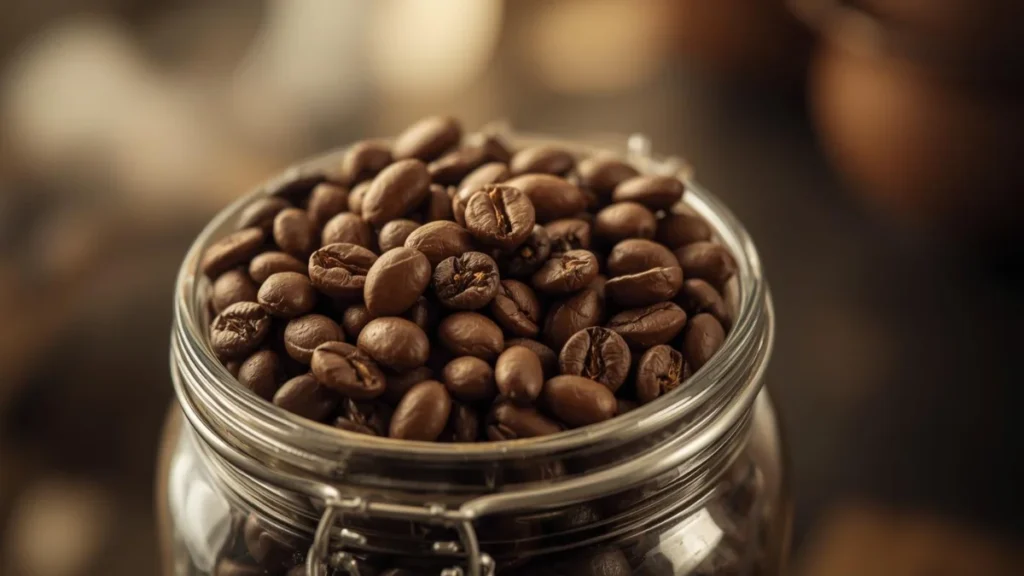
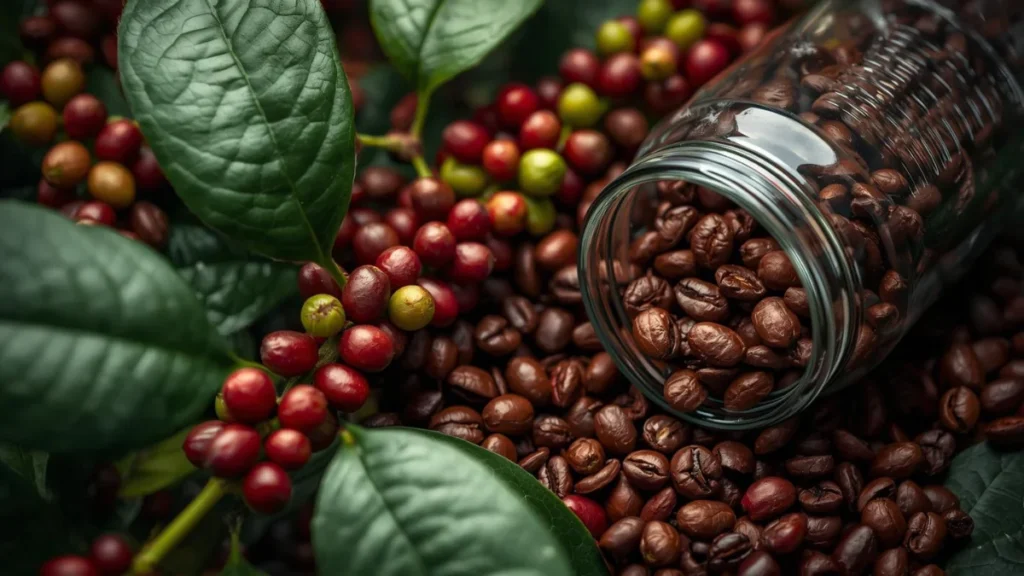
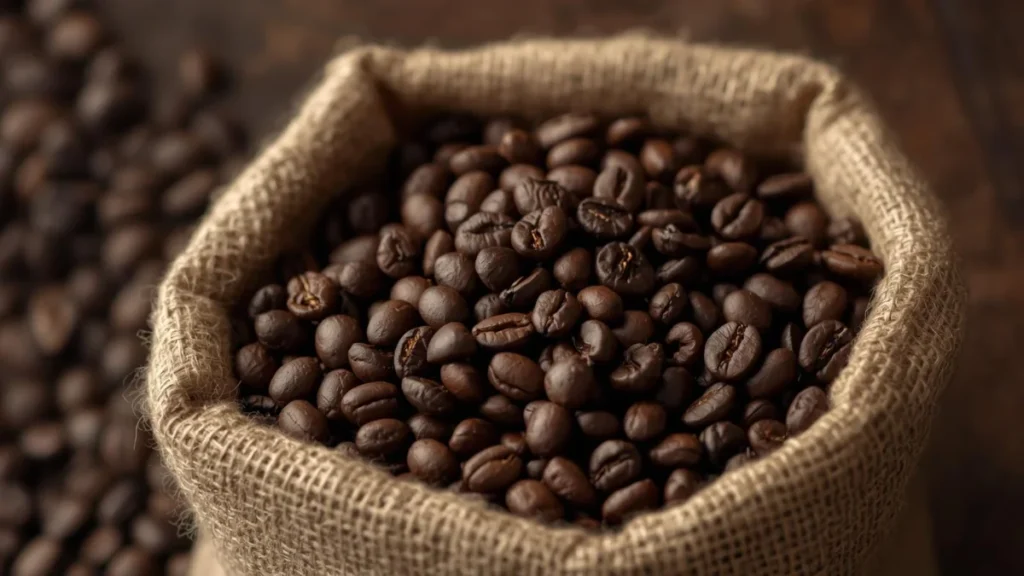
Choosing the right coffee beans is key to unlocking the full potential of your pour-over brew. This method highlights subtle flavors, so bean selection makes a noticeable difference.
Light roast: Ideal for pour-over brewing, light roasts preserve the coffee’s natural acidity and delicate notes, offering bright, tea-like flavors.
Medium roast: A balanced choice that combines sweetness with gentle acidity, producing a smooth, well-rounded cup that appeals to most palates.
Origin flavors: Different regions bring unique taste profiles—Ethiopian coffee often features fruity, floral notes, while Colombian coffee delivers a balanced, nutty sweetness perfect for everyday brewing.
This beginner’s guide to coffee beans explains which roast and grind pair perfectly with your favorite brewing style.
Pour Over Grind Size
Grind size plays a crucial role in how your coffee extracts during brewing. When water passes through the grounds, it dissolves flavors at different rates. If the grind is too fine, extraction happens too quickly, leading to bitterness. If it’s too coarse, the water flows too fast, resulting in a weak, under-extracted cup.
| Grind Size | Brewing Result |
|---|---|
| Too Fine | Bitter |
| Medium | Balanced |
| Too Coarse | Weak |
A medium grind—similar to coarse sand—works best for pour-over coffee. It allows water to flow evenly through the grounds, ensuring balanced extraction and a clean, flavorful cup with just the right strength and clarity.
Pour Over Coffee Ratio
Pour Over Coffee Ratio
The coffee-to-water ratio determines how strong or light your brew tastes. A common starting point is 1:16—one part coffee to sixteen parts water.
| Coffee | Water |
|---|---|
| 20g | 320g |
| 25g | 400g |
| 30g | 480g |
Using more coffee creates a richer, bolder cup, while less coffee produces a lighter, milder flavor.
Step-by-Step Pour Over Brewing Method
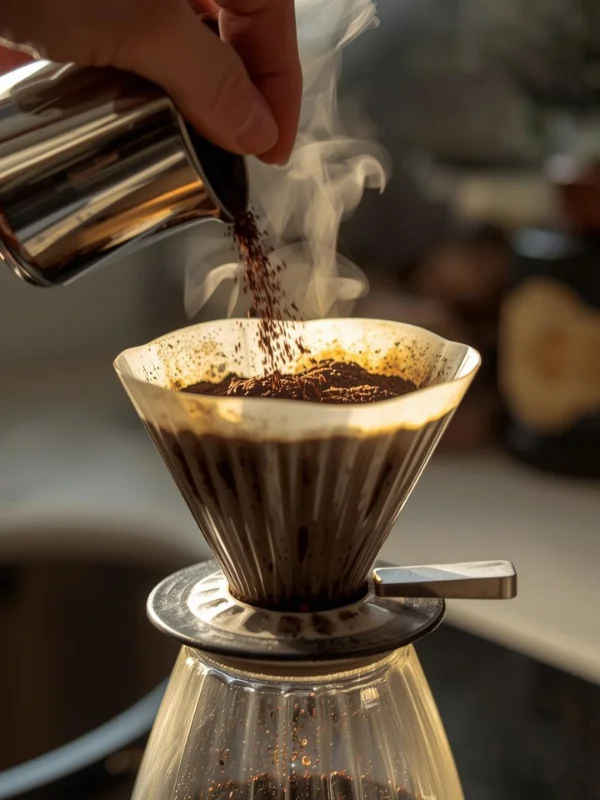
Mastering the pour-over method is all about precision and patience. Each step contributes to the clarity, balance, and aroma of your final cup.
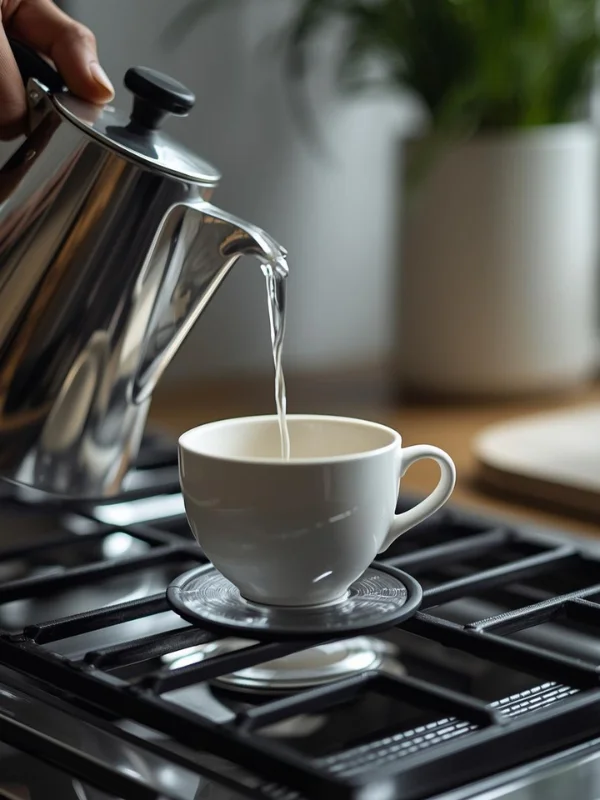
Step 1 – Heat Water
Start by heating fresh, filtered water to 195–205°F (90–96°C). This temperature range is ideal for extracting the coffee’s full flavor without burning the grounds or leaving them under-extracted.
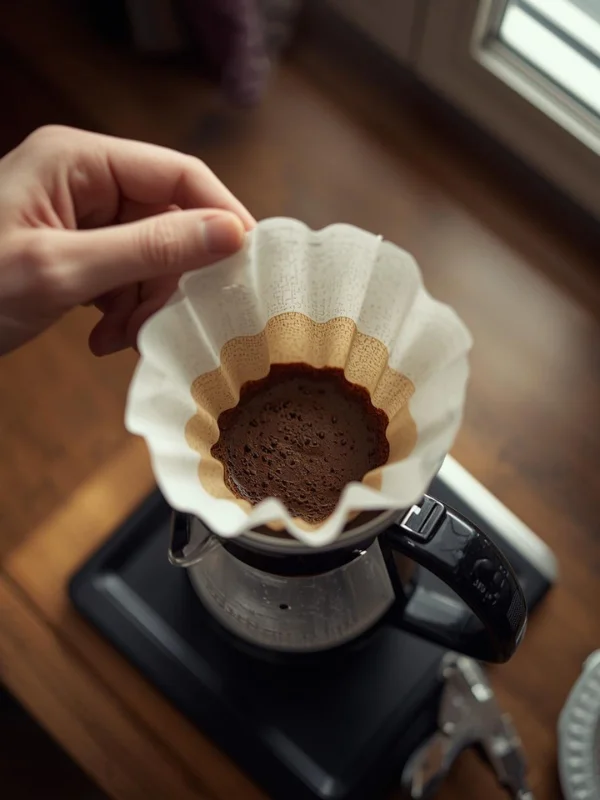
Step 2 – Rinse Filter
Place your paper filter in the dripper and rinse it thoroughly with hot water. This removes any papery taste and preheats your dripper and carafe, helping maintain a stable brewing temperature. Discard the rinse water before adding coffee.
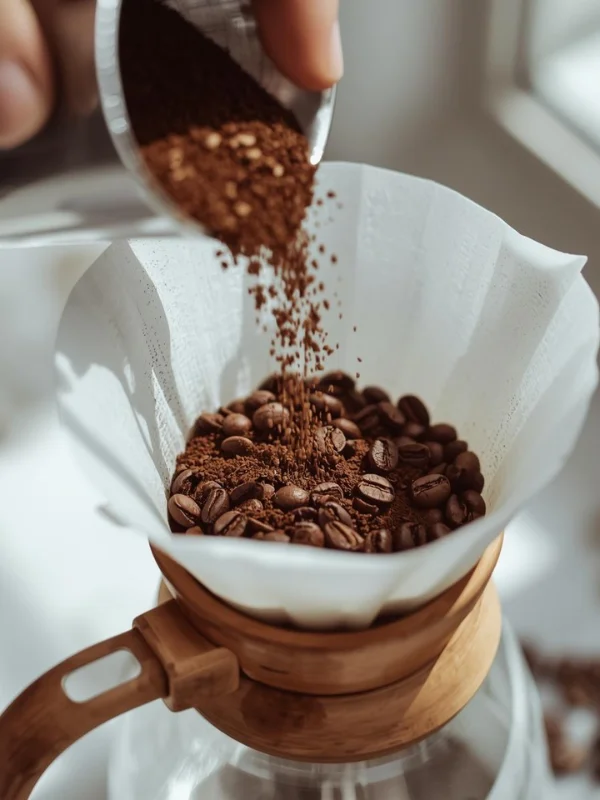
Step 3 – Add Coffee Grounds
Measure your coffee using a scale for accuracy. Use a medium grind, similar to coarse sand, and gently shake the dripper to level the bed for even extraction.
Step 4 – Bloom
Pour just enough hot water—about twice the weight of your coffee—to saturate the grounds. Let it sit for 30 seconds. This “bloom” releases trapped carbon dioxide, allowing better water flow and flavor extraction.
Step 5 – Main Pour
Slowly pour the remaining water in a steady, circular motion, starting from the center and moving outward. Keep the water level consistent and avoid pouring directly on the filter’s edges.
Step 6 – Final Drip
Once all the water has passed through, let the coffee drip completely. The process should take about 3–4 minutes, resulting in a clean, aromatic, and perfectly balanced cup.
Pro Tips for Better Pour-Over Coffee
Use freshly roasted beans
Fresh coffee beans release more aromatic compounds during brewing, producing more vibrant flavors.
Use filtered water
Water quality significantly affects extraction. Filtered water helps avoid unwanted mineral flavors.
Maintain a steady pouring pattern
Slow, circular pours help saturate the coffee evenly, leading to balanced extraction.
Warm your equipment
Preheating your dripper and carafe stabilizes brewing temperature and improves consistency.
Ideal Pour Over Brewing Settings
| Variable | Recommended Range |
|---|---|
| Grind Size | Medium |
| Water Temperature | 195–205°F |
| Brew Time | 2.5–4 minutes |
| Coffee Ratio | 1:15–1:17 |
| Bloom Time | 30–45 seconds |
Common Pour Over Brewing Mistakes
Even small missteps can affect the taste and balance of your pour-over coffee. Understanding these common mistakes helps you brew a consistently great cup every time.
Wrong grind size: One of the most frequent beginner errors. Too fine a grind leads to bitterness, while too coarse results in a weak, watery brew. Aim for a medium grind for balanced extraction.
Pouring too quickly: Rushing the pour prevents even saturation of the grounds, causing uneven extraction and inconsistent flavor. Slow, steady circular pours work best.
Using stale coffee beans: Freshly roasted beans retain essential oils and aromas that enhance flavor. Old beans taste flat and dull.
Incorrect coffee ratio: Using too much or too little coffee throws off the balance—too strong becomes bitter, too weak tastes bland. Stick to a consistent ratio for reliable results.
Pour Over vs Other Brewing Methods
Each coffee brewing method brings out different characteristics in flavor, aroma, and body. Pour over stands out for its clarity and precision, while other methods offer unique textures and taste experiences. The table below highlights how pour over compares to French press and cold brew.
| Method | Flavor | Body |
|---|---|---|
| Pour Over | Clean | Light |
| French Press | Rich | Heavy |
| Cold Brew | Smooth | Medium |
Pour-over coffee emphasizes brightness and detail, perfect for showcasing single-origin beans. French press delivers a fuller, oil-rich cup, while cold brew offers a mellow, low-acid profile ideal for refreshing iced coffee.
Best Pour-Over Coffee Makers
Pour-over coffee makers come in various designs, each offering a unique brewing experience. Whether you’re a beginner or a seasoned coffee enthusiast, the right dripper can elevate your daily cup. Below are three of the most popular and trusted options.
Hario V60 Starter Set
Best for: Home brewers who love control and precision in every cup
The Hario V60 Starter Set is a compact, user-friendly pour-over kit perfect for anyone starting their coffee journey. With its 700ml glass carafe, red plastic dripper, and paper filters, it’s designed for clarity and consistency. The spiral ridges inside the dripper help water flow evenly through the grounds, allowing you to fine-tune your brew strength by adjusting pour speed and pattern. The glass carafe keeps your coffee warm without affecting flavor, while the lightweight plastic dripper is easy to handle and clean. For the best results, use freshly ground medium-fine coffee and pour in slow, circular motions to highlight the beans’ natural sweetness and aroma.
Standout Feature: Spiral-ridged dripper design for precise water flow and flavor control.
Chemex 6-Cup Glass Coffeemaker
Best for: Coffee purists who appreciate clean, smooth flavors and elegant design
The Chemex 6-Cup Coffeemaker combines timeless design with lab-grade glass for a pure, sediment-free brew. Its high-quality borosilicate glass resists heat and doesn’t absorb odors, ensuring every cup tastes exactly as intended. The glass handle adds a modern touch while keeping your hands cool. This brewer works beautifully with all roast levels and can even be used for tea, iced coffee, or cold brew. To make the most of it, use Chemex filters and a medium-coarse grind, pouring hot water slowly in circular motions for a balanced extraction. The result is a bright, clean cup that highlights subtle flavor notes.
Standout Feature: Non-porous borosilicate glass that preserves coffee’s pure taste.
COSORI Stainless Steel Pour Over Brewer
Best for: Adventurous coffee lovers and outdoor enthusiasts
The COSORI Pour Over Coffee Maker is built for versatility and durability, whether at home or on the go. It’s a 34oz heat-resistant glass carafe that pairs with a double-layer stainless steel filter that eliminates the need for paper filters while preserving rich oils and aromas. The result is a full-bodied, flavorful cup every time. The sturdy design makes it ideal for camping or hiking—add hot water and your favorite grounds. The wide mouth and ergonomic handle make pouring easy, while the reusable filter is simple to clean and eco-friendly. For best results, use a medium grind and pour slowly to control extraction.
Standout Feature: Double-layer stainless steel filter for rich, eco-friendly brewing.
pour over coffee guide: FAQ
What grind size is best for pour-over coffee?
A medium grind size works best for most pour-over brewers. The texture should resemble coarse sand. If the grind is too fine, the coffee may taste bitter. If it is too coarse, the coffee may taste weak or under-extracted.
What is the best coffee-to-water ratio for pour-over coffee?
A common starting point is a 1:16 ratio, meaning one gram of coffee for every sixteen grams of water. For example, 20 grams of coffee paired with 320 grams of water produces a balanced cup.
How long should pour-over brewing take?
Most pour-over brews should finish in 2.5–4 minutes, depending on grind size and dripper design.
Why does my pour-over coffee taste bitter?
Bitter coffee usually results from:
- grind size being too fine
- The water temperature is too high
- brewing time is too long
Adjusting these variables often improves flavor.
Why does my pour-over coffee taste weak?
Weak coffee usually happens when the grind is too coarse or when the coffee-to-water ratio is too low.
Is pour-over coffee better than drip coffee?
Pour-over coffee often produces cleaner, more complex flavors because the brewing process gives more control over extraction.
Conclusion

Pour-over coffee offers one of the most rewarding ways to brew coffee at home. By controlling important brewing variables such as grind size, water temperature, and coffee-to-water ratio, you can create a cup that highlights the unique flavors of your beans.
While the process may seem technical at first, mastering pour-over brewing requires a bit of patience and practice. As you experiment with different beans, brewing ratios, and pouring techniques, you’ll begin to understand how small adjustments affect extraction and flavor balance.
Whether you prefer a bright Ethiopian coffee or a smooth Colombian roast, the pour-over method allows you to explore the full spectrum of coffee flavors.
Once you become comfortable with the process, brewing pour-over coffee can transform your daily cup into a relaxing ritual—one that produces consistently clean, aromatic, and delicious coffee.
Related Coffee Brewing Guides
If you’d like to explore more brewing techniques, these guides may help:
- Home Coffee Brewing Guide
- French Press Coffee Guide
- Cold Brew Coffee Guide
- Coffee Grind Size Chart
- Coffee Brewing Ratio Explained