
Introduction
For coffee lovers stepping into the world of home brewing, understanding how coffee beans interact with different brewing methods is the key to unlocking exceptional flavor. The same beans can taste bright and fruity in a pour-over, yet bold and full-bodied in a French press. That’s because each brewing method extracts flavors differently—highlighting unique notes, aromas, and textures.
Why this matters for beginners:
- Flavor balance: The grind size, water temperature, and brew time all influence how your beans express their natural flavors.
- Bean variety: Light roasts often shine in pour-over methods, while medium- to dark-roasts bring out the richness needed for espresso or French press.
- Brewing control: Matching the right beans to your preferred method helps you achieve consistency and avoid common pitfalls such as bitterness or a flat taste.
- Freshness factor: Freshly roasted beans can dramatically improve your cup, no matter the method.
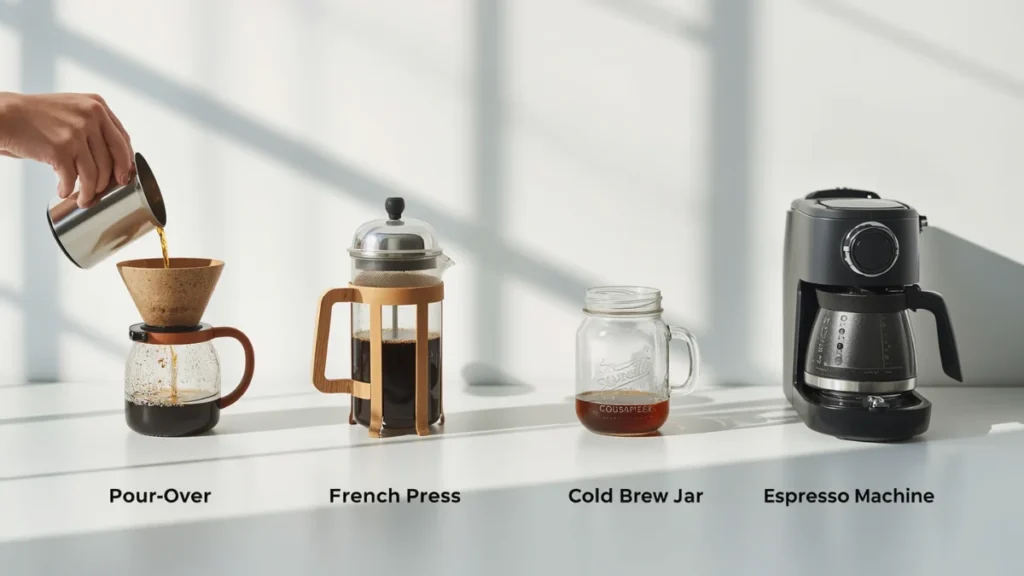
This guide will walk you through the best coffee beans for popular brewing styles—pour-over, French press, cold brew, and espresso—while helping you understand how to choose beans that suit your taste and brewing setup
If you are a beginner, read our comprehensive Home Coffee Brewing Guide: Methods, Grinders & Tools for more insights on the topic
Table of Contents
Quick Answer: Best Beans by Brewing Method
The best coffee beans depend on how you brew:
- Pour over → light to medium roast (bright, clean flavors)
- French press → medium to dark roast (rich, full-bodied)
- Cold brew → medium to dark roast (smooth, low acidity)
Matching the roast level to the brewing method improves flavor.
What Makes Coffee Beans Suitable for Different Methods?
Not all coffee beans behave the same during brewing.
The main factors that affect flavor include:
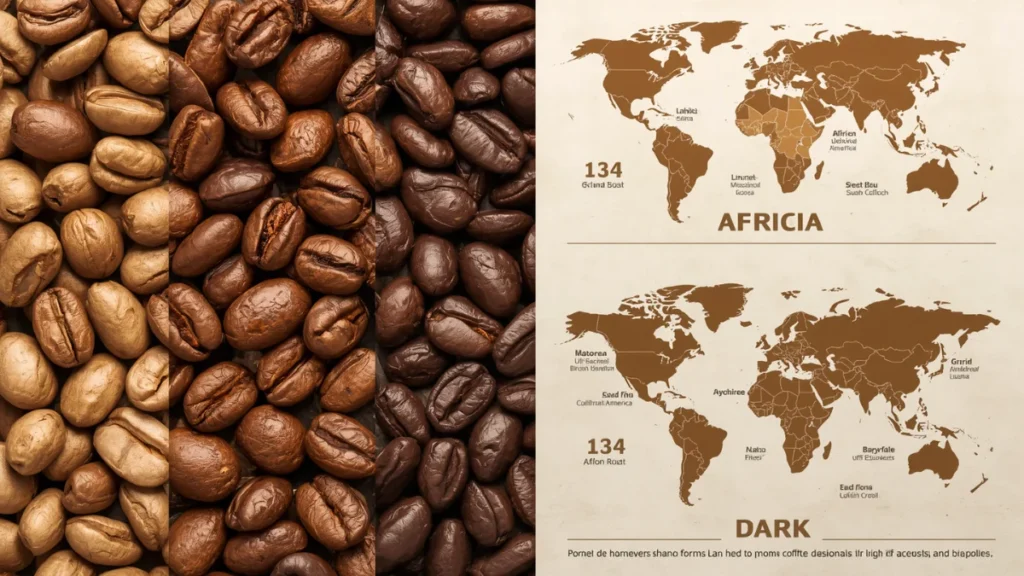
Roast Level
- Light roast → bright, acidic, complex
- Medium roast → balanced, smooth
- Dark roast → bold, bitter, full-bodied
Origin
- African beans → fruity and floral
- Latin American → balanced and nutty
- Asian beans → earthy and strong
Grind Size Compatibility
Different brewing methods require specific grind sizes, which interact with roast levels.
Learn more in our Coffee Grind Size Chart.
Best Coffee Beans for Pour-Over Coffee
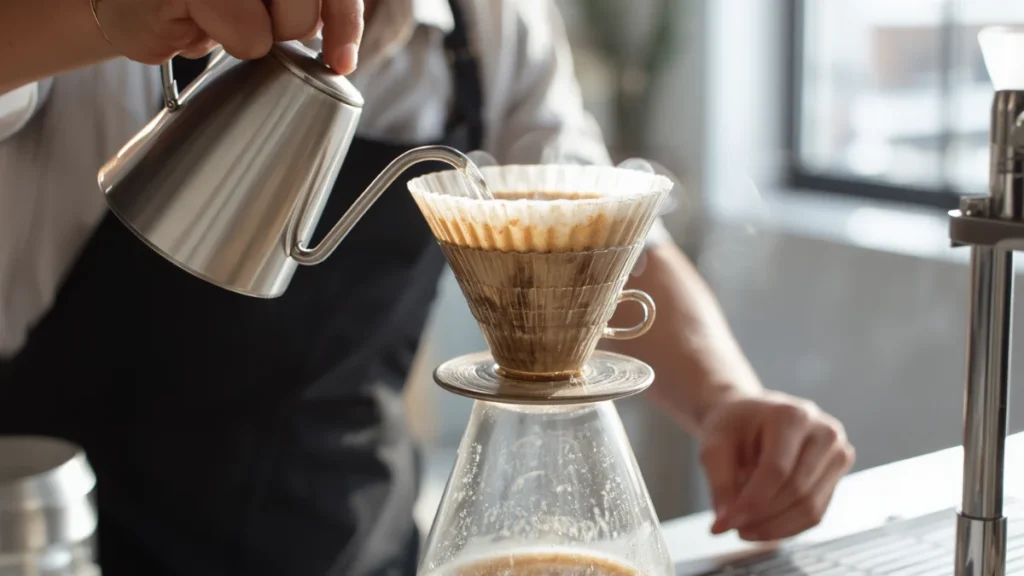
Pour over brewing highlights clarity and subtle flavors.
Recommended Beans
Light to medium roast
Why It Works
- Preserves delicate flavors
- Enhances brightness and acidity
- Produces a clean and crisp cup
Flavor Profile
- Fruity
- Floral
- Citrus notes
If you want more control over flavor, learn how to make pour-over coffee at home with the right method and grind size.
Best Coffee Beans for French Press Coffee
French press produces a rich, full-bodied cup.
Recommended Beans
Medium to dark roast
Why It Works
- Enhances body and depth
- Works well with immersion brewing
- Highlights bold flavors
Flavor Profile
- Chocolatey
- Nutty
- Full-bodied
To brew a rich, full-bodied cup, follow this French press coffee brewing guide for the best results.
Best Coffee Beans for Cold Brew Coffee
Cold brew extracts slowly, producing smooth coffee.
Recommended Beans: Medium to dark roast
Why It Works
- Reduces acidity
- Produces smooth, mellow flavor
- Works well for concentration
Flavor Profile
- Smooth
- Sweet
- Low acidity
For a smooth, low-acid drink, explore this cold-brew coffee guide for step-by-step instructions.
How to Choose the Right Coffee Beans
If you’re unsure where to start:
For Bright and Light Coffee
Choose light roast
Use pour over
For Strong and Bold Coffee
Choose dark roast
Use a French press
For Smooth and Low-Acid Coffee
Choose medium/dark roast
Use cold brew
Matching beans to the method improves results instantly.
How Freshness Affects Coffee Taste
Fresh coffee beans are essential for good flavor.
Tips:
- Use beans within 2–4 weeks of roasting
- Store in an airtight container
- Avoid pre-ground coffee
Learn more in our Coffee Brewing Tools guide.
Common Mistakes When Choosing Coffee Beans
Using the Same Beans for Every Method
Different methods require different flavor profiles.
Ignoring Roast Level
Roast level significantly affects taste.
Buying Pre-Ground Coffee
Loses freshness quickly.
Choosing the right grinder is crucial, and this manual coffee grinder buying guide will help you make an informed decision.
Identifying Roast Levels by Color and Labeling
Coffee beans change color as they roast—each stage unlocking different taste profiles. Light roasts are pale brown with a dry surface, offering bright acidity and fruity notes. Medium roasts are chestnut brown, balancing sweetness and body. Dark roasts appear deep brown or almost black, with an oily sheen and bold, smoky flavors.
- Light Roast: Bright, tangy, and aromatic
- Medium Roast: Smooth, balanced, and versatile
- Dark Roast: Rich, intense, and low in acidity
- Always check labels for roast names like “City,” “Full City,” or “French Roast.”
Storage Guidance for Coffee Beans
Proper storage keeps your coffee beans fresh and flavorful for longer. Exposure to air, light, heat, and moisture can quickly dull their aroma and taste. Store beans in an airtight, opaque container at room temperature—never in the fridge or freezer, as condensation can ruin them.
- Use airtight containers to block oxygen
- Keep away from sunlight and heat sources
- Buy smaller batches to ensure freshness
- Grind just before brewing for the best flavor
- Freshness is key—well-stored beans make every cup taste its best.
Best coffee beans for different brewing methods: FAQs
What type of coffee beans are best for beginners?
Medium roast beans are a good starting point for most brewing methods.
Can I use the same beans for all methods?
Yes, but results may vary depending on brewing technique.
Are expensive beans always better?
Not necessarily — freshness and roast level matter more.
Should I grind coffee fresh?
Yes. Fresh grinding improves flavor and consistency.
Final Thoughts
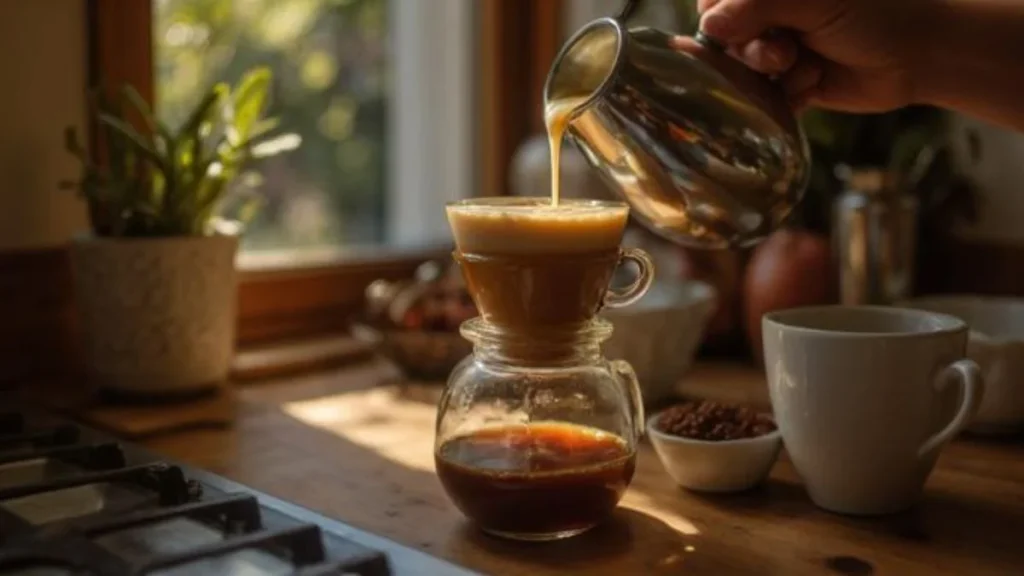
Finding the best coffee beans for your brewing method is the foundation of great home coffee. Each method—pour-over, French press, cold brew, or espresso—brings out unique flavors depending on the roast level, grind size, and freshness of your beans.
Light roasts shine in pour-over for their bright, delicate notes, while medium and dark roasts deliver the bold, rich body ideal for French press, cold brew, and espresso.
Remember to store your beans properly in airtight containers, away from light and moisture, and always grind just before brewing. With the right beans, roast level, and care, you can enjoy café-quality coffee at home every day.
- To build a strong foundation, explore this beginner’s guide to brewing coffee at home that covers everything you need to get started.