
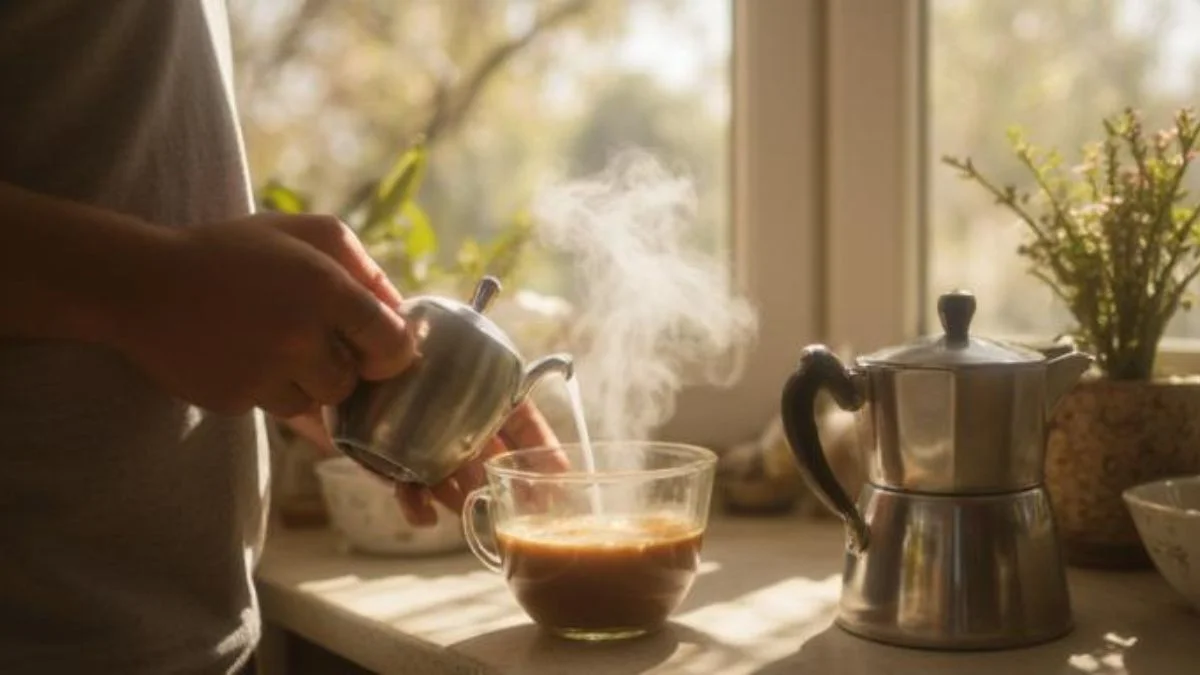
Introduction:
Getting the water temperature right can make or break your pour-over coffee.
You might be using freshly ground beans and the perfect coffee-to-water ratio—but if your water is too hot or too cool, your coffee can taste bitter, sour, or weak.
The good news? This is one of the easiest variables to fix.
In this complete guide, you’ll learn the ideal water temperature for pour-over coffee, how it affects extraction, and how to adjust it based on roast level and taste.
For beginners, our Pour Over Coffee Guide to Brew Better Coffee at Home provides step-by-step instructions to get started.
Quick Answer: The best water temperature for pour-over coffee is 90–96°C (195–205°F).
- 90–92°C → Best for dark roasts (prevents bitterness)
- 92–94°C → Ideal for medium roasts (balanced flavor)
- 94–96°C → Best for light roasts (improves extraction)
👉 Staying within this range ensures proper extraction and a smooth, balanced cup.
Understanding the ideal coffee brewing temperature is just the first step—knowing why it matters will help you brew better coffee every time.
Why Water Temperature Matters in Pour-Over Coffee
Water temperature controls how quickly coffee compounds are extracted during brewing.
- Hotter water extracts faster and pulls more soluble compounds
- Cooler water extracts more slowly and may leave flavors behind
The goal is balanced extraction, where you get sweetness, clarity, and body—without bitterness or sourness.
Water quality plays a decisive role in your coffee’s flavor. Our Best Water for Coffee Brewing Guide offers detailed insights on this important topic.
Now that you understand the basics of extraction, let’s look at what happens when your pour-over coffee temperature guide numbers are off in either direction.
How Water Temperature Affects Coffee Taste
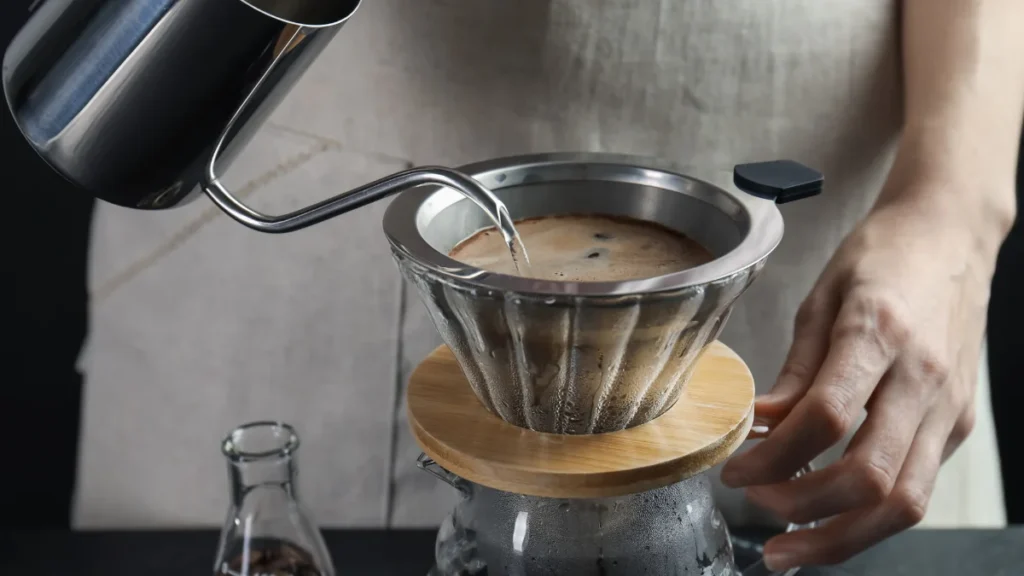
If the water is too hot
- Causes over-extraction
- Pulls too many bitter compounds
- Results in a harsh, astringent flavor
If Water Is Too Cool
- Causes under-extraction
- Fails to extract enough flavor
- Results in sour, thin, or weak coffee
If the temperature is correct
- Balanced extraction
- Clean, smooth, and flavorful cup
The question “how hot should water be for coffee” doesn’t have a one-size-fits-all answer—it depends on what you’re brewing.
Best Water Temperature by Roast Level
Different roast levels extract differently, so temperature should be adjusted accordingly.
Light Roast (94–96°C)
- Harder to extract
- Needs a higher temperature to unlock flavors
- Enhances brightness and complexity
Medium Roast (92–94°C)
- Balanced solubility
- Works best in the middle range
- Produces a well-rounded cup
Dark Roast (90–92°C)
- Easier to extract
- Lower temperature prevents bitterness
- Preserves smoothness and body
👉 Adjusting temperature based on roast level is one of the fastest ways to improve your brew.
Knowing the right temperature range is useful, but you’ll need practical methods to consistently hit those targets.
How to Control Water Temperature
1. Use a Temperature-Controlled Kettle
- Most accurate and consistent method
- Let’s you dial in exact temperatures
- Ideal for daily brewing
The kettle technique also impacts your coffee’s final taste. Discover proper pouring methods in our How to Use a Gooseneck Kettle for Pour Over Coffee (Beginner Guide).
2. Boil and Wait Method (No Thermometer)
- Bring water to a boil
- Wait 30–45 seconds
- Use for brewing
This typically brings water into the ideal 90–96°C range.
Even with perfect temperature control, your brew can still fall flat if you ignore how temperature interacts with other variables.
How Temperature Works with Grind Size and Ratio
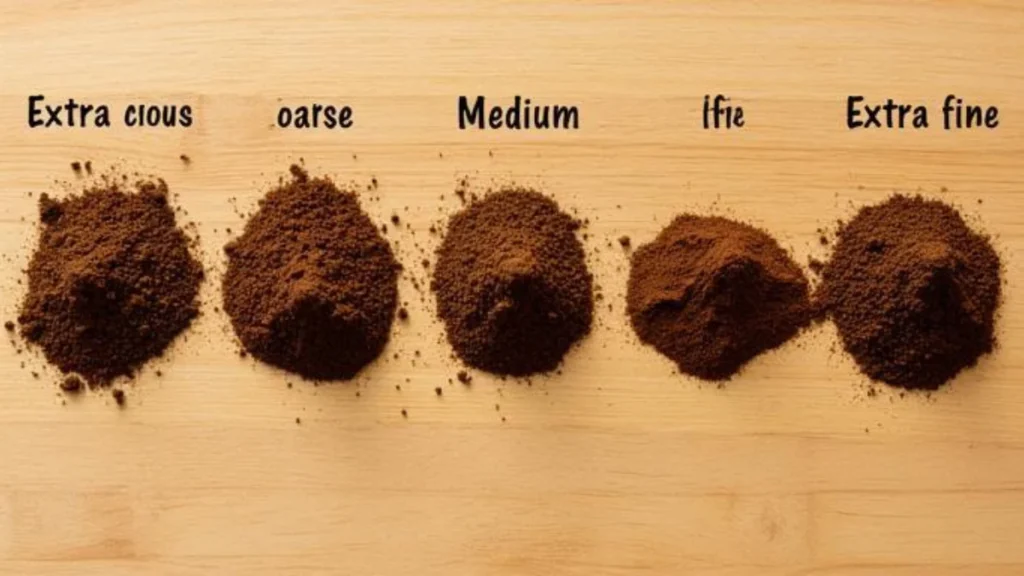
Water temperature doesn’t work alone—it interacts with other brewing variables.
With Grind Size
- Fine grind + hot water → over-extraction → bitter taste
- Coarse grind + cool water → under-extraction → sour taste
With Coffee-to-Water Ratio
- Strong ratio + high temperature → overly intense and bitter
- Weak ratio + low temperature → flat and weak
👉 For best results, adjust temperature alongside grind size and ratio—not in isolation.
Our Coffee Grind Size Chart offers a comprehensive reference for every brewing method.
Many home brewers follow the best-temperature guidelines for drip coffee but still struggle—often due to these common errors.
Common Water Temperature Mistakes
1. Using Boiling Water Directly
Water at 100°C can over-extract coffee, creating bitterness.
2. Brewing with Water That’s Too Cool
Leads to sour, underdeveloped flavors.
3. Inconsistent Temperature
Small variations can lead to inconsistent taste from cup to cup.
4. Ignoring Roast Level
Using the same temperature for all beans limits flavor potential.
When your coffee doesn’t taste right, temperature adjustment is often the quickest fix.
How to Adjust Temperature Based on Taste
If Your Coffee Tastes Bitter
Try:
- Lowering the water temperature slightly
- Using a coarser grind
If Your Coffee Tastes Sour
Try:
- Increasing water temperature
- Using a finer grind
👉 Make small adjustments (1–2°C at a time) for the best results.
Once you’ve dialed in your ideal coffee brewing temperature, these additional tips will help you maintain consistency and elevate every cup.
Pro Tips for Better Pour-Over Coffee
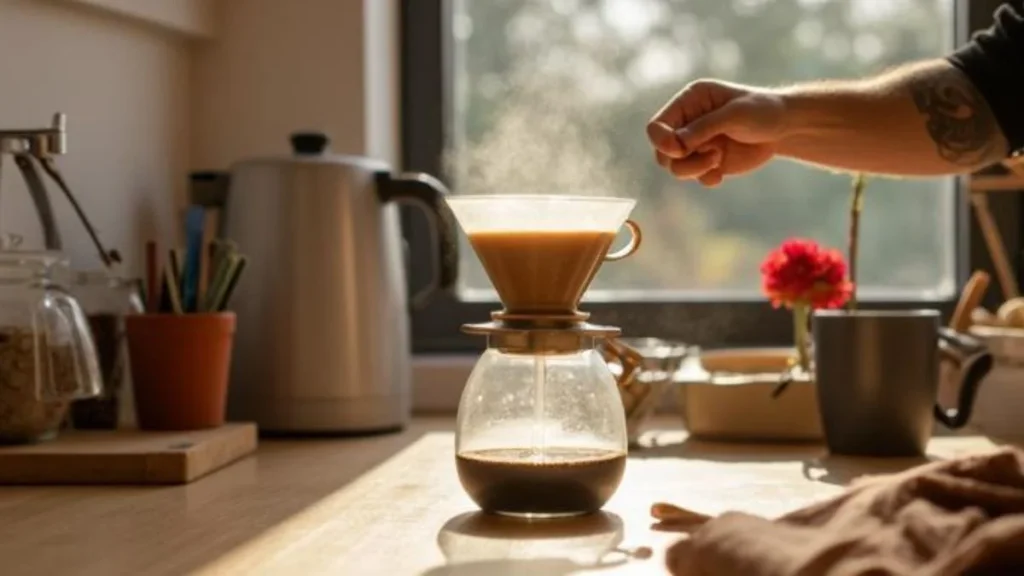
- Preheat your brewer and cup to maintain temperature stability
- Use fresh, filtered water for a cleaner taste
- Maintain a consistent pouring technique
- Keep notes of temperature and results to refine your brew
The best water temperature for pour over coffee: FAQs
What is the best water temperature for pour-over coffee?
The ideal range is 90–96°C (195–205°F). This allows proper extraction, resulting in a balanced cup without excessive bitterness or sourness.
Can I use boiling water for pour-over coffee?
No, boiling water (100°C) can over-extract coffee, making it bitter. Let the water cool for 30–45 seconds after boiling before brewing.
Does water temperature really affect coffee taste?
Yes. Water temperature directly controls extraction speed. Hotter water extracts more compounds (risking bitterness), while cooler water extracts less (leading to sourness or weak flavor).
How do I measure water temperature without a thermometer?
Boil water and let it sit for 30–45 seconds. This usually brings it into the ideal brewing range for pour-over coffee.
What temperature is best for light roast coffee?
Light roasts brew best at 94–96°C, as they are denser and require higher heat for proper extraction.
Mastering your pour-over coffee temperature guide is a game-changer, but the real magic happens when you put it all into practice.
Conclusion
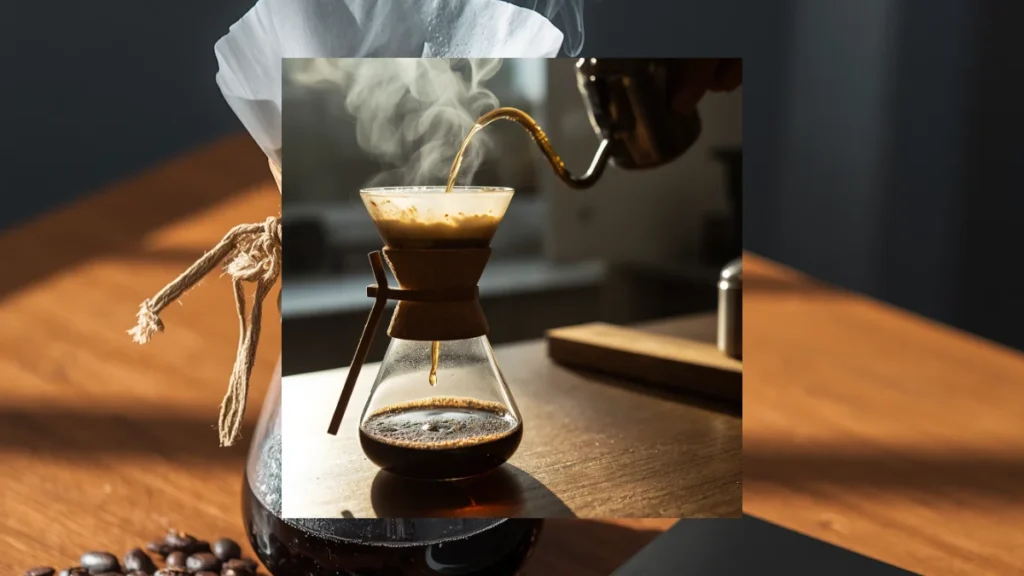
Water temperature is one of the most important factors in pour-over coffee—and one of the easiest to control.
By staying within the 90–96°C range and adjusting as the roast level changes, you can dramatically improve your coffee’s flavor, balance, and consistency.
If your brew tastes off, start by tweaking temperature—it’s often the quickest fix with the biggest impact.
If you’re new to home brewing, explore our Home Coffee Brewing Guide that covers brewing methods, grinders, essential tools, and more.