
Quick Answer
The best water for coffee brewing is clean, filtered water with balanced mineral content. Avoid distilled water (no minerals) and hard tap water (too many minerals), as both can negatively affect extraction and flavor. For most home brewers, filtered water provides the best balance of taste, consistency, and convenience.
Introduction
If your coffee tastes inconsistent—sometimes bitter, sometimes weak—the problem might not be your beans or brewing method.
It might be your water.
Since coffee is more than 98% water, even small differences in water quality can dramatically change how your coffee tastes. Many beginners focus on grinders and beans but overlook this crucial factor.
In this guide, you’ll learn:
- Why water matters in coffee brewing
- The best types of water to use
- What to avoid
- Simple ways to improve your water at home
Now, let’s start with the most important question—why water matters so much in the first place.
Best Drip Coffee Makers (2026): 6 Picks for an Easy Morning Cup
Why Water Matters in Coffee Brewing
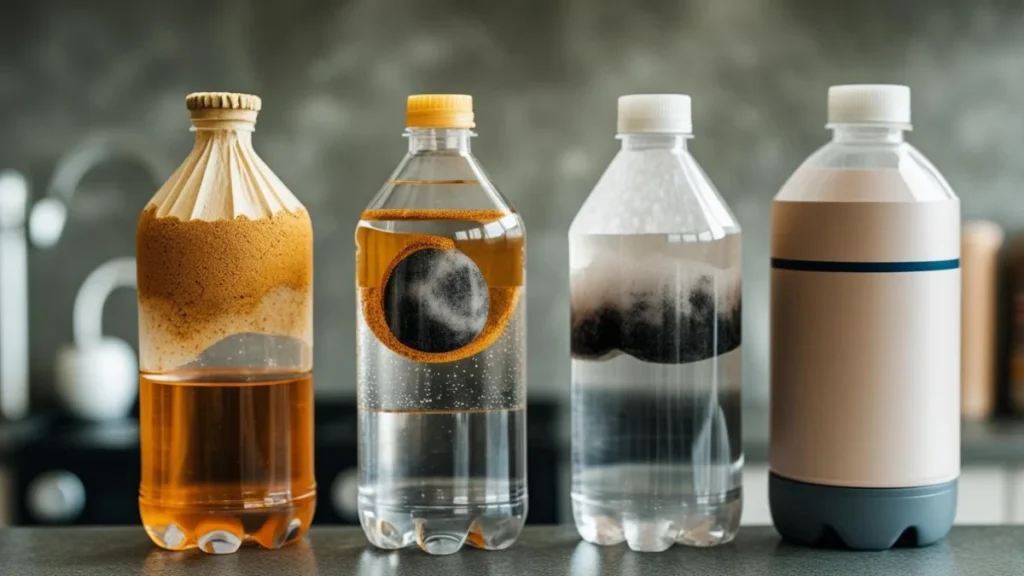
Water is not just a neutral ingredient—it’s the main extraction tool in coffee brewing.
When hot water passes through coffee grounds, it dissolves:
- Acids (brightness)
- Sugars (sweetness)
- Bitter compounds
The balance of these determines your final cup.
Too Much vs Too Little Minerals
- Too many minerals (hard water) → bitter coffee
- Too few minerals (distilled water) → weak coffee
This is why water quality directly affects taste.
With that foundation in mind, let’s look at what “good water” actually means in simple terms.
Ideal Water for Coffee
You don’t need lab equipment, but here’s what good water looks like:
- Clean and odor-free
- Moderate mineral content
- Neutral taste
Simple rule:
If your water tastes good on its own, it will likely make good coffee.
So what options do you actually have at home? Let’s break them down.
If you want to understand this in more depth, our coffee extraction guide will be a perfect fit.
Types of Water for Coffee
Tap Water
Convenient but inconsistent. Use only if filtered.
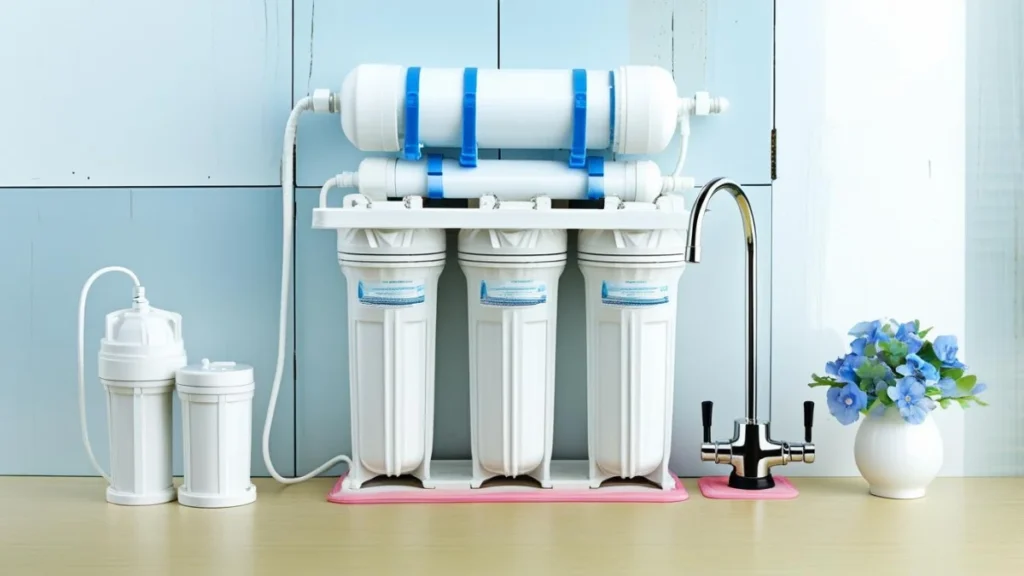
Filtered Water
Removes impurities while keeping minerals.
✅ Best overall choice
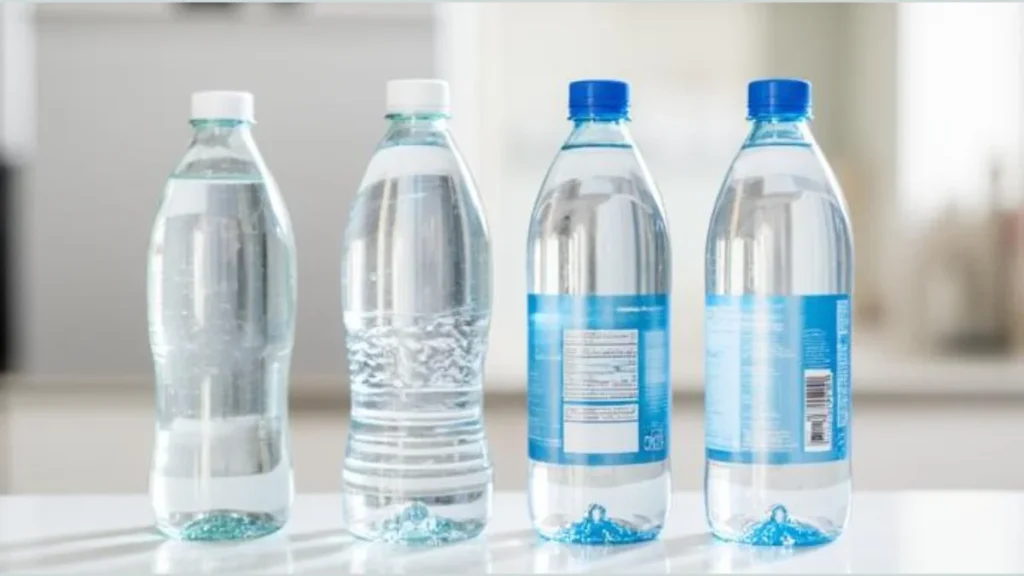
Bottled Water
Consistent but varies by brand.
Distilled Water
No minerals → poor extraction
❌ Avoid
At this point, you might be wondering why some water tastes harsh while others taste smooth—that comes down to mineral balance.
Hard Water vs Soft Water
| Type | Effect | Result |
|---|---|---|
| Hard | Too many minerals | Bitter |
| Soft | Too few minerals | Weak |
| Balanced | Ideal | Smooth |
Filtered water usually provides this balance.
Now let’s connect this directly to what you actually taste in your cup.
How Water Affects Coffee Taste
Bitter Coffee
Hard water or over-extraction
See: Why Your Coffee Tastes Bitter
Sour Coffee
Low minerals or under-extraction
See: Why Your Coffee Tastes Sour
Weak Coffee
Poor extraction or ratio
Improve with your Coffee Brewing Ratio Guide
Since different brewing methods respond differently, let’s look at how water behaves in each one.
Best Water for Different Brewing Methods
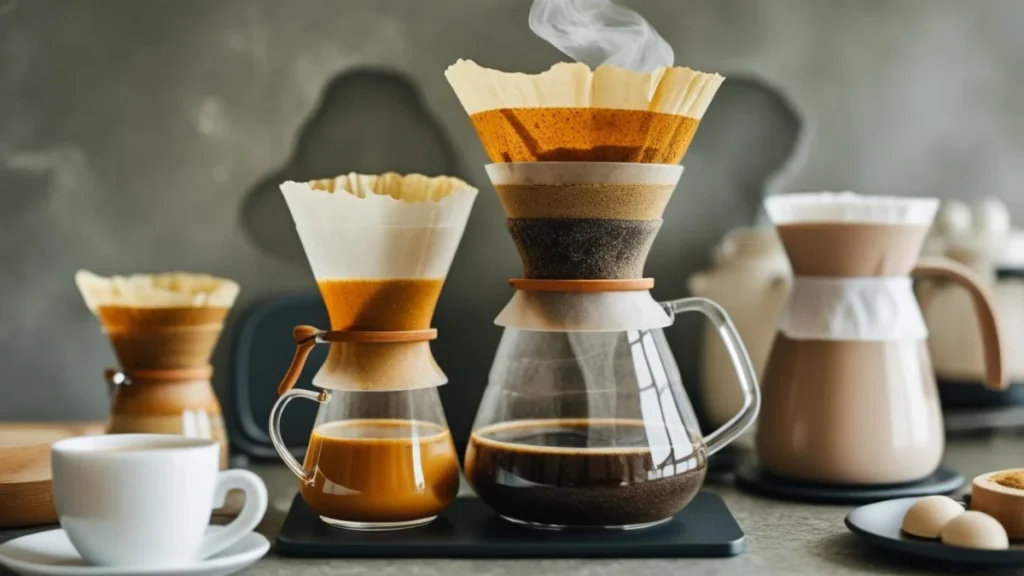
Pour Over
Needs balanced minerals
Pour Over Coffee Guide
French Press
More forgiving
French Press Coffee Guide
Cold Brew
Less sensitive but still benefits from good water
Cold Brew Coffee Guide
The good news is—you don’t need expensive equipment to fix your water.
How to Improve Your Water at Home
1. Use a Filter
Simple and effective
2. Stay Consistent
Same water = consistent taste
3. Let Tap Water Sit
Reduces chlorine
4. Measure Accurately
Using the Maestri House Mini Coffee Scale helps maintain consistency.
If you’re unsure about your current water quality, here’s how you can check it quickly.
How to Test Your Water
Taste Test
If it tastes off → coffee will too
Optional: TDS Meter
Helpful but not required
Still not sure if water is the issue? Watch for these common signs.
Signs Your Water Is Ruining Your Coffee
- Metallic taste
- Flat coffee
- Inconsistent flavor
- Sudden taste changes
Often caused by water—not your beans
Let’s wrap up with a few simple tips to keep your results consistent.
Pro Tips
- Use the same water daily
- Avoid switching sources
- Pair good water with proper ratios
Water temperature is another crucial factor that influences taste. Learn more in our Best Water Temperature for Pour Over Coffee Brewing Guide
Before we finish, let’s quickly answer a few common questions.
Best Water for Coffee Brewing: FAQs
Is filtered water better than tap water?
Yes, it removes impurities while keeping beneficial minerals.
Can I use bottled water for coffee?
Yes, but choose one with balanced mineral content.
Why does my coffee taste different every day?
Inconsistent water quality is a common reason.
Is distilled water good for coffee?
No, it lacks minerals needed for proper extraction.
At this point, you’ve seen how much water influences your coffee—now here’s what to do next.
Recommended Next Step:
Check the Maestri House Mini Coffee Scale for better consistency
Final Thoughts
Improving your coffee doesn’t always require expensive gear.
Sometimes, the biggest upgrade comes from something as simple as better water.
By switching to clean, filtered water and keeping your brewing consistent, you’ll notice:
- Better flavor clarity
- Balanced taste
- More reliable results
Start with your water—and everything else becomes easier.
To build a strong foundation, explore this beginner’s guide to brewing coffee at home, covering everything you need to get started.
Related Posts
- Coffee Brewing Temperature Guide: The Right Water Temperature for Every Method
- How to Use an AeroPress: The Complete Beginner Guide (2026)
- Coffee Extraction Explained: How to Brew Better Coffee at Home (Complete Beginner Guide)
- How Coffee Grind Size Affects Coffee Taste: A Complete Beginner's Guide
- Best Coffee Beans for Different Brewing Methods (Beginner’s Guide)
- Best Beginner Coffee Setup Under Budget