
Quick Answer Box:
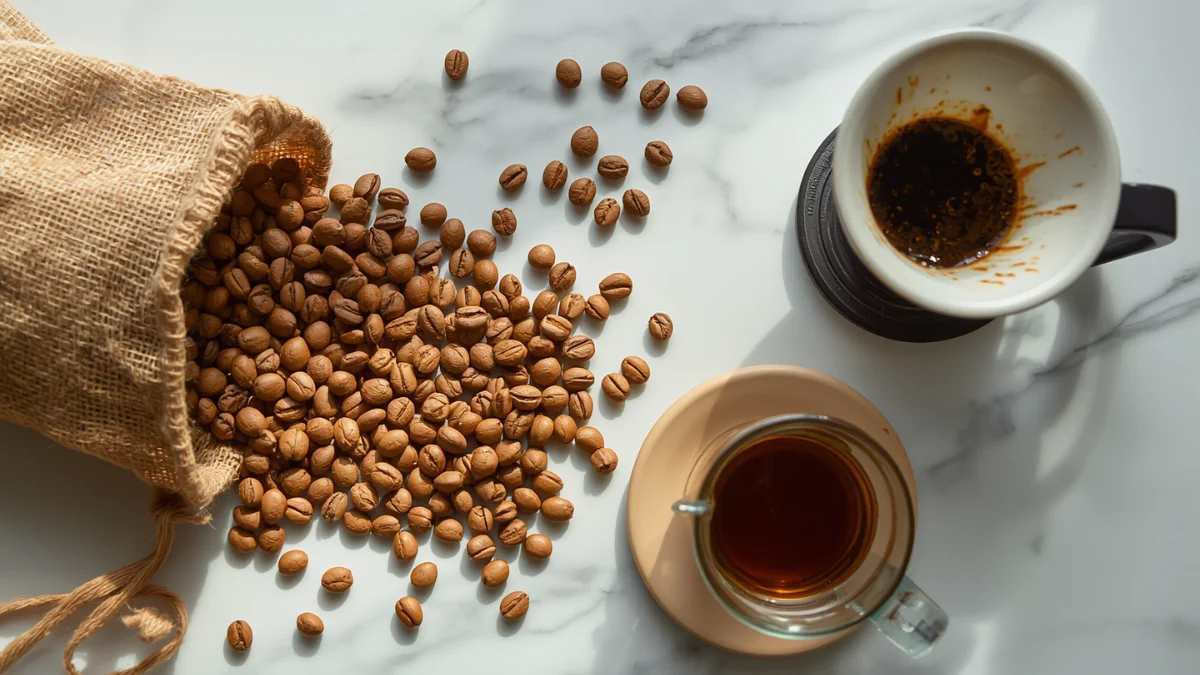
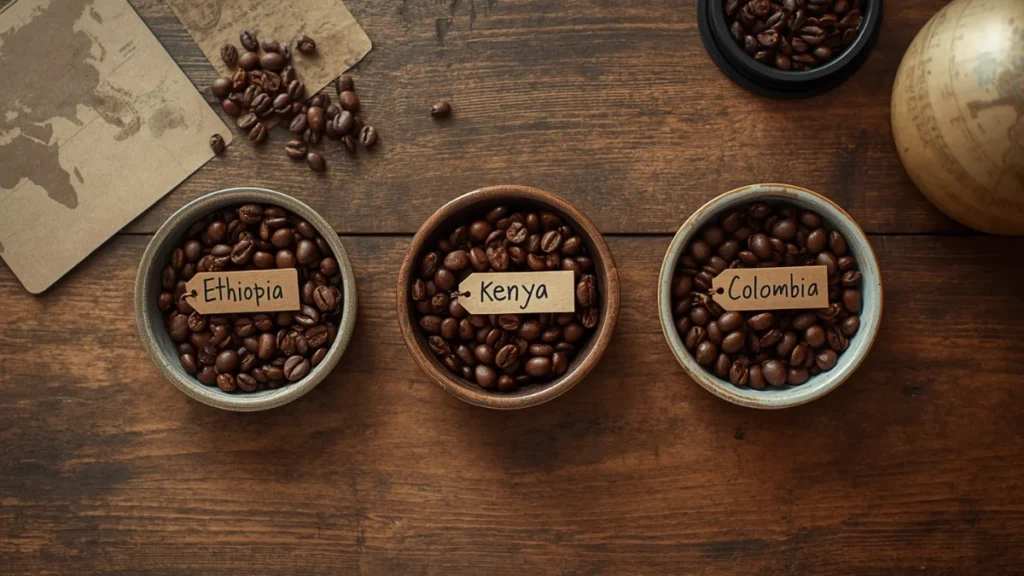
The best beans for pour over coffee are light- to medium-roasted, single-origin beans with bright, distinct flavor notes — washed Ethiopian, Kenyan, or Colombian coffees are classic starting points.
Pour over highlights clarity and nuance, so beans with clean, well-defined flavors perform better than dark, oily roasts.
Introduction
Pour over is often called the method that “shows off” coffee the most. Unlike French press or drip machines, which tend to flatten flavor into something broadly similar, pour over highlights the specific character of the beans you’re using — the brightness, the sweetness, the subtle fruit or floral notes.
That also means your choice of beans matters more here than with almost any other brewing method. The wrong beans won’t ruin your pour over, but the right beans will make it genuinely memorable.
This guide explains what makes a coffee well-suited for pour-over, which origins and roast levels tend to shine, and how to choose with confidence — without needing to memorize a flavor wheel.
See: Find out which coffee beans work best for pour over, espresso, and more.
Why Bean Choice Matters More for Pour Over
Pour over uses a relatively slow, controlled extraction through a paper filter. That combination does two things to flavor:
It produces clarity. Paper filters remove most of the coffee oils and fine sediment that other methods leave behind. The result is a cleaner, brighter cup where individual flavor notes are easier to distinguish.
It rewards complexity. Because the cup is so clean, subtle characteristics — citrus brightness, floral aromatics, delicate sweetness — come through clearly instead of being masked by body and oils.
This is why pour-over pairs especially well with lighter roasts and beans known for their distinctive flavor. A coffee that tastes muddled or one-dimensional in a drip machine might taste vibrant and layered with a pour-over.
Roast Level: What Works Best
Light Roasts
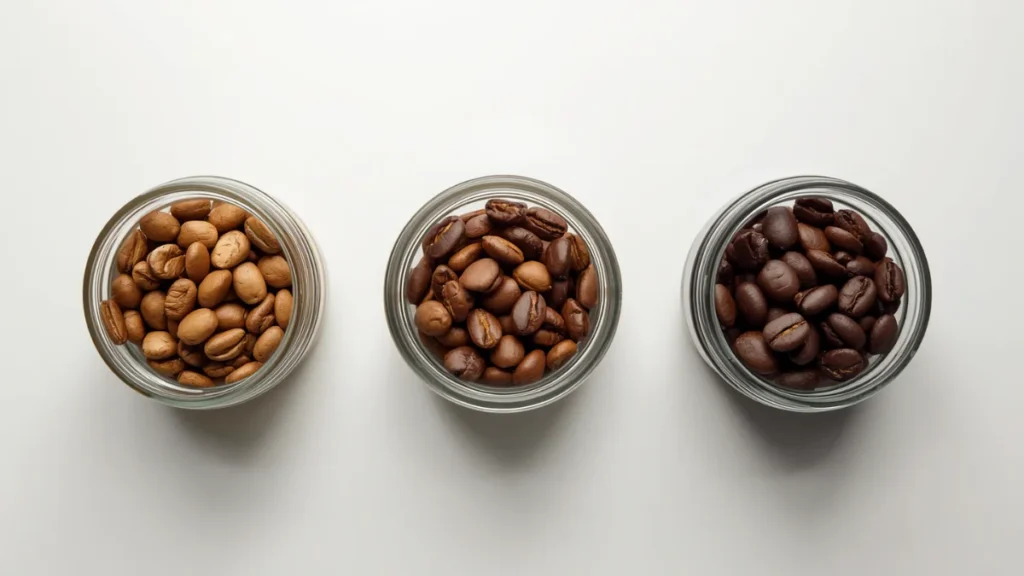
Light roasts retain the most of the bean’s original character — acidity, fruitiness, and floral notes are all more pronounced. They’re roasted for a shorter time at lower temperatures, which preserves more of the bean’s natural sugars and organic acids.
For pour over, light roasts are often considered the gold standard. The clean extraction method matches well with the bright, complex flavors light roasts offer. If you want to taste the specific character of an origin — what makes an Ethiopian coffee different from a Colombian one — light roast is where that difference is most obvious.
Best for: Drinkers who enjoy bright, fruity, tea-like coffee and want to explore origin character.
Medium Roasts
Medium roasts balance the acidity of light roasts with more body and sweetness. The roasting process develops more caramelization, softening sharp acidity into rounder, more familiar flavors — think chocolate, nuts, caramel, alongside some residual fruit notes.
A medium roast is the most forgiving and broadly appealing choice for pour-over. It’s a strong starting point if you’re newer to specialty coffee and not yet sure what flavor profile you prefer.
Best for: Beginners, and anyone who wants balance between brightness and familiar coffee flavor.
Dark Roasts
Dark roasts develop heavy caramelization and smoky, bitter-leaning flavors that come largely from the roasting process itself rather than the bean’s original character. Much of the origin-specific nuance is roasted away.
Dark roasts aren’t wrong for pour over, but they don’t take advantage of what the method does best. The clarity that paper filtering provides has less to highlight when the underlying flavor is mostly roast-driven rather than bean-driven.
Best for: Drinkers who strongly prefer bold, low-acidity, smoky flavor regardless of brewing method.
Single-Origin vs Blends for Pour Over
Single-origin coffee comes from one specific country, region, or farm. It tends to have a distinct, identifiable flavor character — and that character is exactly what pour over is best at revealing.
Blends combine beans from multiple origins, usually to create a balanced, consistent flavor profile. Blends can taste excellent, but the goal is often consistency and balance rather than the distinct character of a single origin.
For pour over specifically, single-origin coffee is generally the better choice. You’re using a brewing method designed to highlight nuance — pairing it with a bean that has a clear, distinct character makes the most of it.
This doesn’t mean blends are off-limits. A well-made blend can still shine in a pour over. But if you’re choosing beans specifically to get the most out of this method, single-origin is the more reliable path.
Best Coffee Origins for Pour Over
Ethiopian Coffee
Ethiopian coffee is often the first recommendation for pour over, and for good reason. Washed Ethiopian coffees tend to have bright citrus and floral notes — think lemon, bergamot, jasmine — with a light, tea-like body. Natural-processed Ethiopian coffees lean more into berry and wine-like fruit notes.
This is the origin most associated with the “wow, coffee can taste like that?” moment for people new to specialty coffee.
Kenyan Coffee
Kenyan coffee is known for vivid acidity and bold fruit character — often described as black currant, tomato, or citrus. It has a distinct juiciness that pour-over brings out clearly. Kenyan coffees tend to be more intense and complex than Ethiopian, appealing to drinkers who want a brighter, punchier cup.
Colombian Coffee
Colombian coffee offers a gentler introduction to single-origin character — balanced acidity, notes of caramel, red fruit, and a smooth, approachable body. It’s an excellent middle-ground choice if Ethiopian or Kenyan coffees feel too intense or unfamiliar.
Costa Rican and Guatemalan Coffee
Central American coffees, particularly from Costa Rica and Guatemala, tend to offer balanced sweetness, mild fruit notes, and good body without overwhelming acidity. These are reliable, crowd-pleasing choices that perform consistently well in pour-over.
Sumatran Coffee
Worth a brief mention as the exception. Sumatran coffee is typically processed using a method that produces a heavier, earthier, lower-acid cup with notes of cedar, dark chocolate, and tobacco. It’s an interesting pour-over option, but it leans toward the qualities that suit French press just as well — heavier body, more earthiness, less bright clarity.
Processing Method: Why It Matters
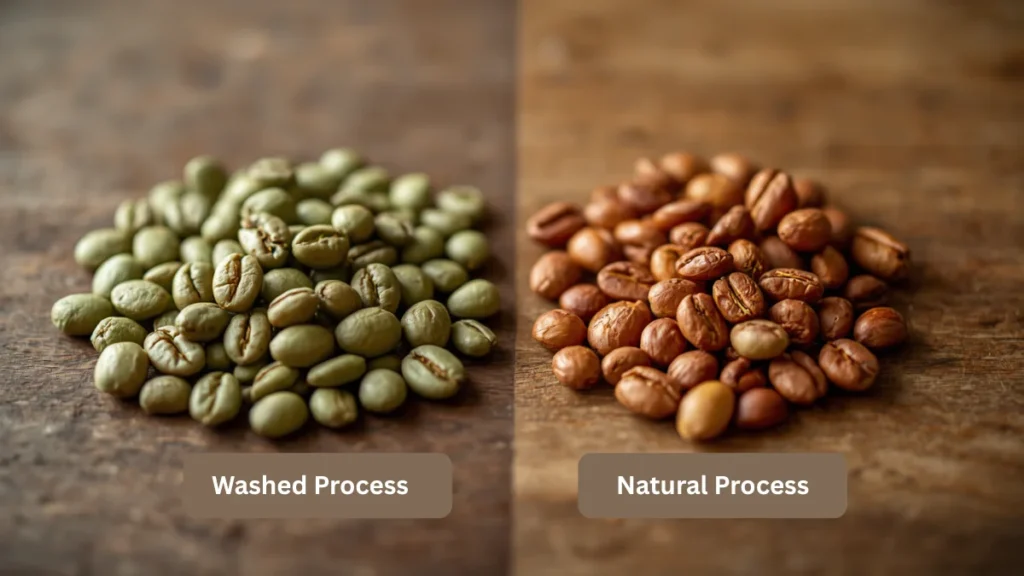
Processing refers to how the coffee cherry is treated after harvest, before the green bean is dried. It has a major effect on final flavor — sometimes more than origin alone.
Washed (wet) process:
The cherry skin and fruit are removed before drying. This produces a cleaner, brighter, more acidic cup with clearer flavor definition. Washed coffees are generally considered the best match for pour over, since the method’s clarity pairs naturally with the bean’s clarity.
Natural (dry) process:
The whole cherry is dried with the fruit still intact, which imparts more fruity, fermented, wine-like characteristics. Natural-process coffees can be excellent in pour-over too, offering bold, distinctive flavor — though they can occasionally taste slightly less “clean” than washed coffees.
Honey process:
A middle ground between washed and natural, retaining some fruit mucilage during drying. This produces a cup with more body and sweetness than washed coffees, while remaining cleaner than natural coffees.
If you see “washed” on a bag and you’re new to pour over, that’s a safe and reliable starting point.
How Fresh Should Your Beans Be?
Freshness matters as much as origin and roast level — arguably more.
Look for a roast date, not a “best by” date. Coffee is generally best within 2 to 4 weeks of roasting. Pour-over, in particular, depends on a good bloom, which only happens with beans that still have CO2 to release — meaning stale beans noticeably underperform with this method.
Buy whole bean coffee whenever possible and grind right before brewing. Pre-ground coffee loses aromatic compounds rapidly once ground, regardless of how fresh the original roast was.
How to Read a Coffee Bag Label
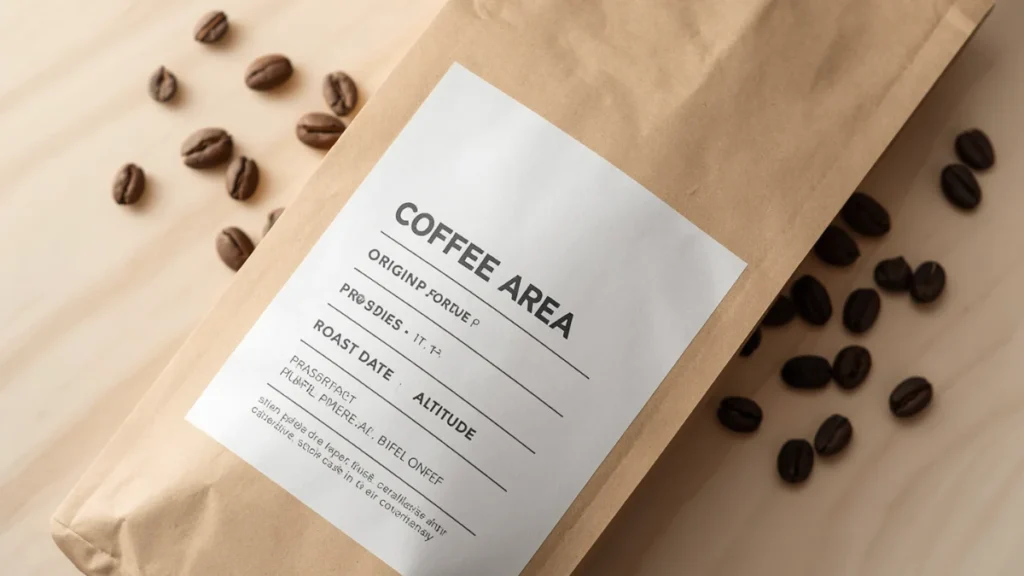
Specialty coffee bags usually include useful information if you know what to look for:
- Origin — country, region, sometimes the specific farm or cooperative
- Process — washed, natural, honey
- Roast date — when the beans were roasted (most important freshness indicator)
- Altitude — higher elevation often correlates with more complex flavor
- Tasting notes — the roaster’s description of expected flavors (treat as a guide, not a guarantee)
- Roast level — light, medium, dark (sometimes implied rather than stated outright)
If a bag has no roast date and no origin information, it’s likely a commodity-grade coffee rather than a specialty one — not necessarily bad, but less suited to showcasing what pour-over can do.
Matching Beans to Your Preferences
If you’re not sure where to start, use your existing taste preferences as a guide:
If you enjoy tea, especially black or green tea:
Try a washed Ethiopian. The light body and floral character will feel familiar.
If you enjoy citrus fruits or sparkling drinks:
Try a Kenyan coffee for its vivid acidity and juiciness.
If you usually drink medium roast drip coffee and want a gentle upgrade:
Try a Colombian or Guatemalan coffee — familiar but noticeably more flavorful.
If you find specialty coffee “too sour” in general:
Stick with medium roast and avoid natural-processed coffees at first; washed Colombian or Central American beans will feel more balanced.
Best Beans for Pour Over Coffee: FAQs
Can I use any coffee bean for pour-over, or do I need specialty-grade coffee?
You can use any coffee bean for pour over, but specialty-grade beans — particularly single-origin, light-to-medium roast — will showcase what the method does best. Standard supermarket coffee will still brew fine, but pour over’s clarity has less interesting flavor to reveal with commodity-grade beans.
Is dark roast coffee bad for pour over?
Not bad, just less ideal. Dark roasts develop more roast-driven flavor (smoke, char, heavy bitterness) and less origin-driven flavor. Pour-over’s strength lies in highlighting subtle, origin-specific character, which dark roasting tends to diminish.
What’s the difference between washed and natural process coffee?
Washed coffee has the fruit removed before drying, producing a cleaner, brighter cup. Natural-process coffee dries with the fruit intact, producing a fruitier, sometimes wine-like cup with reduced clarity. Washed coffees are generally considered more reliable for pour-over.
How do I know if my coffee beans are fresh enough?
Check for a roast date on the bag, not a best-by date. Beans within 2–4 weeks of roasting are considered fresh. A weak or absent bloom during brewing is also a practical sign that beans have lost freshness.
Should I buy whole-bean or pre-ground coffee for pour-over?
Whole bean, ground right before brewing, is strongly recommended. Ground coffee loses aroma and flavor compounds quickly once exposed to air — often within days — regardless of how fresh the original roast was.
Key Takeaways
- Light– to medium-roast, single-origin, washed coffee is the strongest starting point for pour-over.
- Washed Ethiopian, Kenyan, and Colombian coffees are reliable, widely available choices with distinct character.
- Processing method matters as much as origin — washed coffees generally suit pour over’s clarity best.
- Freshness is critical — look for a roast date and aim to brew within 2–4 weeks of roasting.
- Dark roasts aren’t wrong, but they underuse what pour over does best.
Recommended Reading
- Pour Over Coffee Guide
- Pour Over Coffee Ratio Explained
- Coffee Bloom Explained
- Coffee Grind Size Chart