
Quick Answer Box
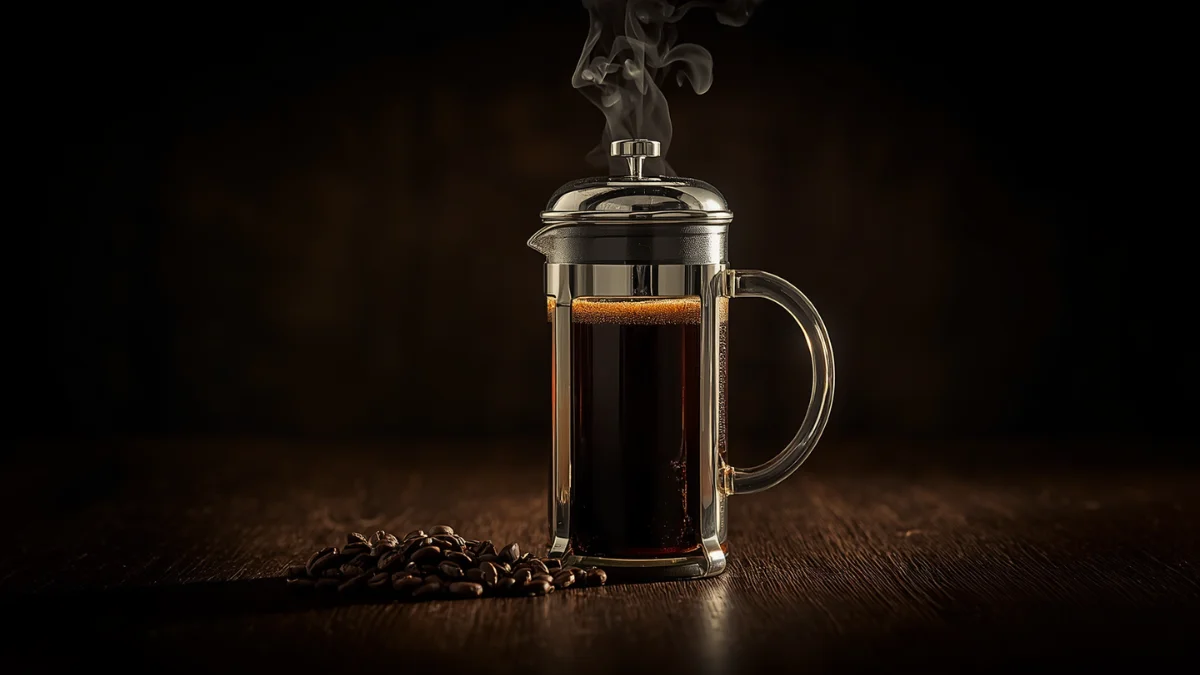
The best coffee beans for French press are medium- to dark-roasted, full-bodied coffees — Sumatran, Brazilian, and other low-acid, earthy origins perform especially well.
French press extracts oils and fine sediment that paper filtering removes, so beans with bold, heavier flavor profiles suit the method better than delicate, bright ones.
Introduction
French press is sometimes called full-immersion brewing, and that description matters more than it sounds. Unlike pour over, where water passes through the grounds and drains away, French press keeps coffee and water together for several minutes before a metal mesh filter separates them.
That single difference — metal mesh instead of paper — changes everything about which beans work best. French press lets through coffee oils and fine particles that paper filters block. The result is a heavier, richer, more full-bodied cup. That means the beans best suited to French press aren’t necessarily the same ones that shine in pour over.
This guide covers what to look for when choosing beans specifically for French press, and which origins and roast levels consistently perform well.
Why French Press Needs Different Beans Than Pour Over
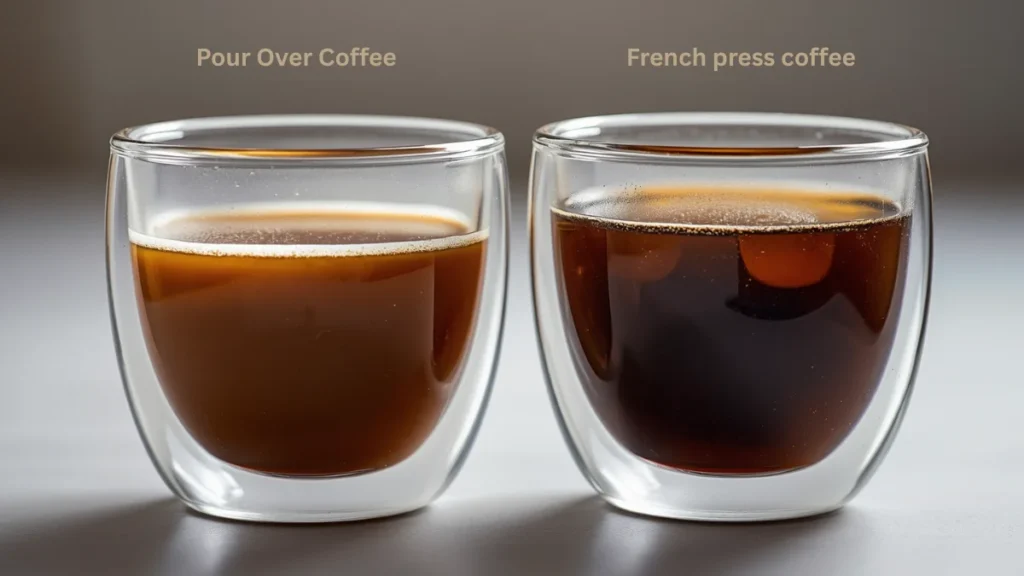
The defining feature of French press is body. Because oils and micro-fine particles stay in the cup, French press coffee feels heavier and more textured on the palate than filtered methods.
This changes how flavor comes through. Bright acidity that feels lively and clean in a pour over can feel sharp or even harsh in a French press, because the heavier body amplifies certain sensations and the lack of filtering doesn’t “clean up” the cup the same way.
Beans with naturally lower acidity, more body, and bolder, simpler flavor profiles — chocolate, nuts, earth, spice — tend to translate better into a French press cup than delicate, high-acid, fruit-forward coffees.
This doesn’t mean bright coffees are wrong for French press. It means they perform differently, and if you’re choosing beans specifically to optimize for this method, certain origins and roast levels have a clear advantage.
Roast Level: What Works Best for French Press
Medium Roast
A medium roast is the most versatile and widely recommended choice for a French press. It offers a good balance of body, sweetness, and retained acidity, without veering into the sharp brightness that can feel out of place in full-immersion brewing.
Best for: Most French press drinkers, especially those who want balance without going too bold.
Dark Roast
Dark roast is a classic French press pairing, and for good reason. The heavier, smokier, more caramelized flavors that come from dark roasting align naturally with French press’s heavier body. Acidity is minimal, avoiding the sharpness issues that bright coffees can run into.
Best for: Drinkers who want a bold, rich, low-acid cup — closer to what many people picture as “classic” coffee flavor.
Light Roast
A light roast can work in a French press, but it’s the least natural fit. The bright acidity and delicate flavors that make light roast shine in pour-over can come across as overly sharp or even a bit aggressive when combined with French press’s heavier body and lack of filtration.
If you specifically enjoy light roast and want to try it in French press, slightly shortening your steep time (around 3 minutes instead of 4) can help prevent the cup from tasting too intense.
Best for: Light roast enthusiasts who want to experiment, with adjusted technique.
Best Coffee Origins for French Press
Sumatran Coffee
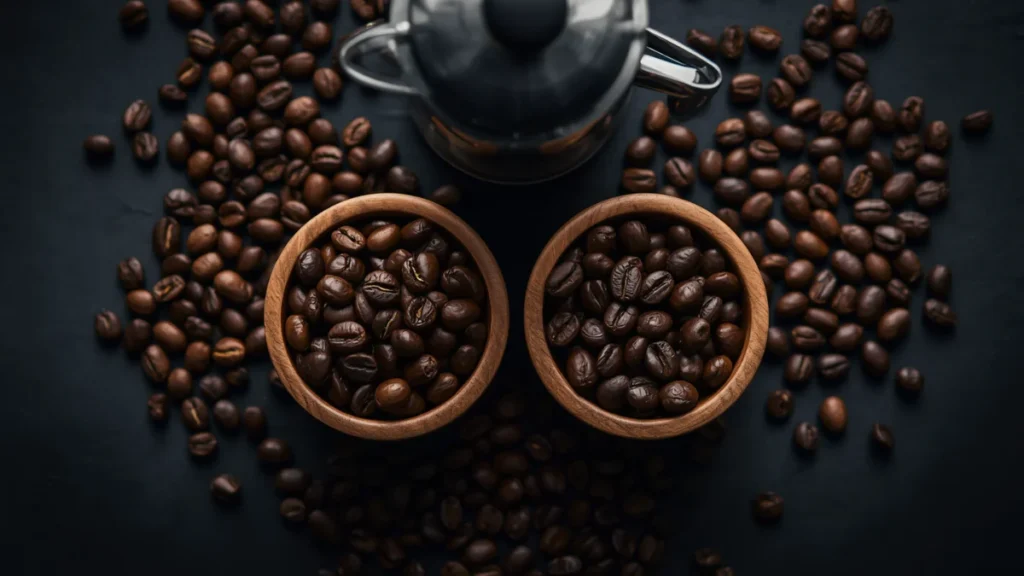
Sumatran coffee is frequently the top recommendation for French press, and the reasoning is straightforward. It’s typically low in acidity, full-bodied, and earthy — with notes of cedar, dark chocolate, and sometimes a mild spice character. These qualities align almost perfectly with what French press does best.
Brazilian Coffee
Brazilian coffee tends to be smooth, nutty, and chocolatey, with low to moderate acidity and a naturally heavy body. It’s a dependable, crowd-pleasing choice that performs consistently well across roast levels, making it a safe pick if you’re not sure where to start.
Sumatran and Indonesian Blends
Beyond single-origin Sumatran coffee, many Indonesian-region blends are specifically crafted with French press in mind — combining earthy, low-acid beans for a rich, heavy cup. These are often labeled as “bold” or “dark roast blends” on packaging.
Guatemalan and Honduran Coffee
Central American coffees from Guatemala and Honduras often bring more balance — moderate body, mild sweetness, and gentle acidity. They work well in French press without leaning as heavily into the earthy intensity of Sumatran coffee, making them a good middle-ground option.
Ethiopian and Kenyan Coffee (Use With Caution)
These origins are fantastic for pour over specifically because of their bright acidity and complex fruit character — but that same character can taste overly sharp or sour in French press. If you want to try them in a French press anyway, choose a darker roast level for these origins, which tones down some of the acidity during roasting.
Single-Origin vs Blends for French Press
Unlike pour over, where single-origin coffee is generally favored to highlight nuance, French press works very well with blends.
Because French press flattens some of the finer distinctions between origins (due to its heavier body and less precise extraction), well-crafted blends — designed specifically for balance and bold flavor — often perform just as well as single-origin beans, sometimes better.
If you see a bag labeled “French Press Blend” or “Bold Blend,” it’s often genuinely formulated with this brewing method’s characteristics in mind.
Processing Method and French Press
Processing matters less for French press than it does for pour over, but it’s still worth understanding:
Natural (dry-processed) coffees, with their heavier, fruitier, sometimes wine-like character, can work beautifully in a French press — the added body from full-immersion brewing complements the naturally heavier mouthfeel these coffees already have.
Washed (wet) process coffees bring more clarity and brightness, which (as covered above) doesn’t always suit French press as naturally. Washed coffees in French press are not wrong, just less of an automatic match than natural-processed beans.
Honey-processed coffees sit comfortably in between and tend to work well with both pour-over and French press.
If a bag doesn’t specify, don’t worry — roast level and origin matter more for French press than processing method does.
Grind Size Matters As Much As Bean Choice
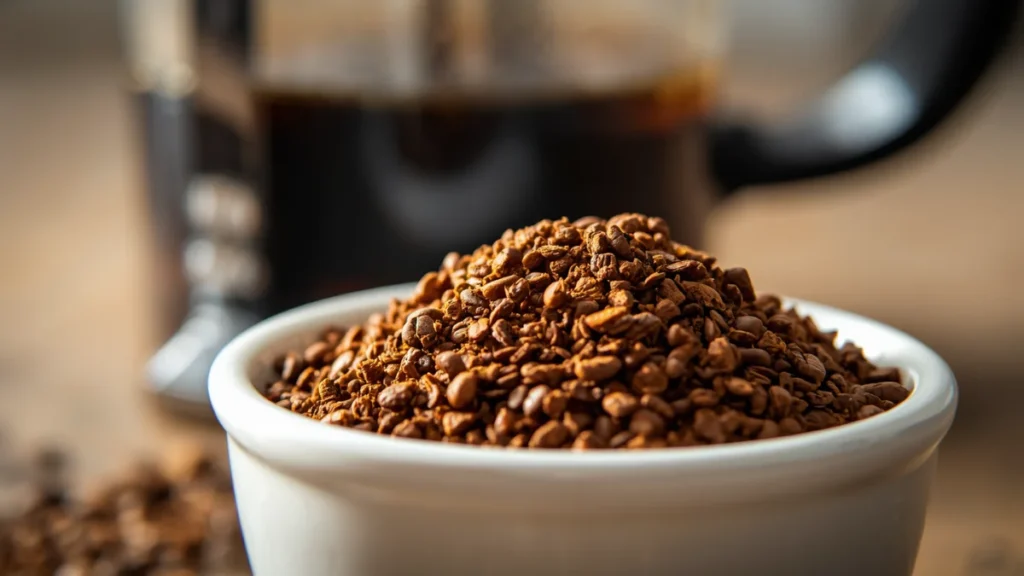
Even the perfect bean selection won’t save a French press brewed with the wrong grind. French press requires a coarse grind — noticeably larger than pour over, roughly the texture of breadcrumbs or coarse sea salt.
Too fine a grind causes excess sediment in your cup and over-extraction, leading to bitterness. Too coarse, and you’ll get a weak, under-extracted brew. See the Coffee Grind Size Chart for the full reference.
How Fresh Should French Press Beans Be?
Freshness still matters for French press, though slightly less so than for pour-over (since there’s no bloom step that depends on CO2 release in the same way).
Look for a roast date and aim to use beans within 3–4 weeks of roasting. Whole-bean coffee, ground right before brewing, will always outperform pre-ground coffee in flavor and aroma — this holds true across all brewing methods, including French press.
Matching Beans to Your Preferences
If you want a bold, classic “coffeehouse” flavor:
Choose a dark roast Sumatran or Indonesian blend.
If you want something smooth and balanced:
Try a medium roast Brazilian coffee.
If you usually find coffee “too acidic” or “too sharp”:
Stick with medium-to-dark roast, low-acid origins like Sumatra or Brazil — avoid bright, high-acid coffees in French press specifically.
If you love bright, fruity coffee but want to try French press:
Choose a darker roast from an origin like Ethiopia or Kenya, and consider a slightly shorter steep time to manage intensity.
Best Coffee Beans for French Press: FAQs
Can I use the same beans for French press and pour over?
Yes, but the results will taste noticeably different. The same beans will produce a heavier, bolder cup in a French press and a cleaner, brighter cup in a pour-over. Some beans (medium-roasted Brazilian or Guatemalan, for example) perform well in both methods. Others — especially bright, high-acid coffees — are better suited to one method over the other.
Why does my French press coffee taste sour even with dark roast beans?
This is more likely a brewing issue than a bean issue. Check your grind size (it should be coarse) and your steep time (4 minutes is standard). A grind that’s too coarse combined with dark roast beans can still produce a sour, under-extracted cup if the brew time is also too short.
Is Sumatran coffee always the best choice for French press?
It’s one of the most reliable choices, but not the only good one. Brazilian, Guatemalan, and many dark roast blends also perform very well. Sumatran coffee’s specific earthy, low-acid profile aligns especially closely with what French press brewing emphasizes.
Should I avoid light-roast coffee in a French press completely?
Not necessarily — it’s just a less natural fit. If you specifically enjoy light roast and want to use it in French press, expect a brighter, more acidic cup than you’d get with medium or dark roast, and consider a slightly shorter steep time to balance the intensity.
Do blends work as well as single-origin coffee in French press?
Often, yes. French press’s heavier extraction style tends to flatten some of the subtle distinctions that make single-origin coffee special in pour over. Well-formulated blends, especially those labeled for French press or “bold” use, frequently perform just as well.
Key Takeaways
- Medium- to dark-roast, full-bodied coffee performs best in a French press — bright, delicate coffees are a less natural fit.
- Sumatran and Brazilian coffees are the most reliable starting points for low-acid, full-bodied flavor.
- Blends work well in a French press, unlike pour-over, where single-origin is usually favored.
- Natural-processed coffees pair especially well with French press’s heavier body.
- Grind size (coarse) matters as much as bean selection — even great beans underperform with the wrong grind.
Recommended Reading
- French Press Coffee Guide
- French Press Coffee Ratio Explained
- How to Reduce Sediment in French Press Coffee
- Best Coffee Beans for Different Brewing Methods
- Coffee Grind Size Chart
- Under-Extracted vs Over-Extracted Coffee
- Why Is My Pour-Over Coffee Draining Too Fast? Causes and Fixes