
Quick Answer: What Is Coffee Extraction?
Coffee extraction is the process of water pulling flavors from coffee grounds.
Under-extraction → sour, weak coffee
Over-extraction → bitter, harsh coffee
Balanced extraction → smooth, flavorful coffee
The goal is to extract the right amount of flavor — not too little, not too much.
Table of Contents
Introduction
Coffee extraction is the process of pulling flavors from coffee grounds using water—and it’s the key to making great coffee at home.
If your coffee tastes too sour, weak, or bitter, the problem is usually extraction—not the beans.
In simple terms:
- Under-extraction makes coffee taste sour
- Over-extraction makes it bitter
- Balanced extraction creates smooth, flavorful coffee
In this guide, you’ll learn how coffee extraction works, what affects it, and how to fix common brewing mistakes step by step.
If you’re just starting out, this complete home coffee-brewing guide will help you understand the basics of brewing methods, grinders, and tools.
With that basic definition in mind, it helps to look more closely at what actually happens when water meets coffee grounds.
What Happens During Coffee Extraction?
When water comes into contact with coffee grounds, it dissolves different compounds:
- Acids → extracted first (bright, sour flavors)
- Sugars → extracted next (sweetness, balance)
- Bitter compounds → extracted last
The order of coffee extraction is key to understanding taste.
Knowing this sequence makes it easier to understand the three main stages of extraction and how they affect flavor.
The Three Stages of Extraction
1. Under-Extraction
- Not enough flavor extracted
- Coffee tastes sour, thin, or weak
2. Balanced Extraction
- Ideal extraction level
- Coffee tastes smooth, sweet, and balanced
3. Over-Extraction
- Too many compounds extracted
- Coffee tastes bitter and harsh
Most brewing problems fall into either under- or over-extraction. To manage these stages effectively, it’s important to understand the factors that influence extraction.
Factors That Affect Coffee Extraction
Several variables control how extraction happens.
Grind Size
- Fine grind → faster extraction
- Coarse grind → slower extraction
👉 Learn more in our Coffee Grind Size Chart.
Coffee-to-Water Ratio
- More coffee → stronger extraction
- Less coffee → weaker extraction
Learn the ideal coffee brewing ratio for consistently great coffee.
Brewing Time
- Longer time → more extraction
- Shorter time → less extraction
Water Temperature
- Hotter water → faster extraction
- Cooler water → slower extraction
Ideal range: 90–96°C (195–205°F)
Ideal Brewing Guidelines
Ideal Starting Points:
- Grind size: Match brewing method
- Ratio: 1:15 to 1:18 (coffee to water)
- Time:
- Pour over: 2–4 minutes
- French press: 4 minutes
- Espresso: 25–30 seconds
- Temperature: 90–96°C
These serve as a baseline for consistent extraction.
Each brewing method interacts with these factors differently, which is why technique matters just as much as ingredients.
Brewing Method
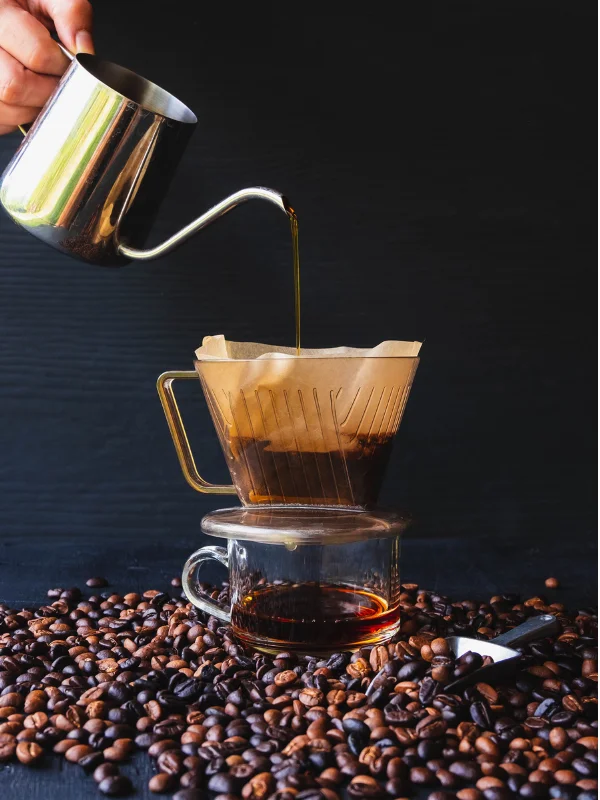
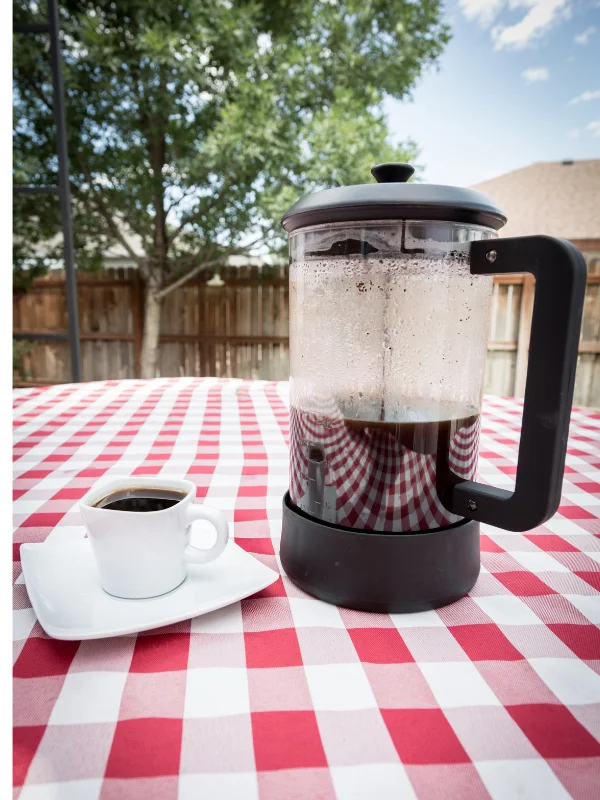

Different methods extract coffee differently:
- Pour over → controlled extraction
- French press → immersion extraction
- Cold brew → slow, low-temperature extraction
To build a strong foundation, explore this beginner’s guide to brewing coffee at home that covers everything you need to get started.
Once the brewing method is chosen, adjustments can be made to address under- or over-extraction.
How to Fix Under-Extracted Coffee
If coffee tastes sour or weak:
Try:
- Using a finer grind
- Increasing brewing time
- Using hotter water
Adjusting ratio
- Make small adjustments one at a time.
If the opposite problem occurs and the coffee tastes too bitter, the solution is to reverse some of these changes.
How to Fix Over-Extracted Coffee
If coffee tastes bitter:
Try:
- Using a coarser grind
- Reducing brewing time
- Lowering water temperature
Adjusting ratio
Small changes can make a big difference.
Once both extremes are understood, the goal becomes finding the sweet spot between them.
How to Achieve Balanced Extraction
To get the best results:
- Use the correct grind size
- Follow the proper ratio
- Control brewing time
- Use consistent equipment
Balanced extraction produces the best flavor.
Check our Best Water for Coffee Brewing (Beginner Guide), to see how water influences the quality of your coffee
Coffee Extraction Cheat Sheet
| Problem | Taste | Fix |
| Under-extraction | Sour, weak | Finer grind, longer time |
| Over-extraction | Bitter | Coarser grind, shorter time |
| Balanced | Smooth | Correct ratio + timing |
Even with good technique, certain mistakes can still throw off the results, so awareness of common pitfalls is essential.
Common Extraction Mistakes
Ignoring Grind Size
One of the most common causes of bad coffee.
Not Measuring Properly
Leads to inconsistent results.
Changing Too Many Variables
Makes troubleshooting difficult.
Avoiding these mistakes helps maintain consistency and control over flavor.
Why Extraction Matters for Taste
Understanding extraction allows for:
- Quick fixes for bad coffee
- Improved consistency
- Flavor adjustments to personal preference
It’s one of the most important skills in home coffee brewing.
Final Thoughts
Coffee extraction is the most important factor in brewing better coffee at home. By controlling grind size, brewing time, water temperature, and ratio, you can fix sour or bitter coffee and consistently achieve balanced flavor.
Start with small adjustments, change one variable at a time, and use extraction as your guide—because great coffee isn’t about expensive equipment, but understanding how extraction works.
how to brew better coffee at home: FAQs
What is coffee extraction in simple terms?
Coffee extraction is the process by which water dissolves flavors from coffee grounds during brewing.
Why does my coffee taste sour?
Sour coffee is usually under-extracted, meaning not enough flavor was pulled from the grounds.
Why is my coffee bitter?
Bitter coffee is typically over-extracted, meaning too many compounds were extracted.
What is the ideal coffee extraction?
Balanced extraction produces coffee that is smooth, slightly sweet, and not overly bitter or sour.