
Introduction
If your coffee tastes harsh, burnt, or leaves a dry, unpleasant aftertaste, over-extraction is almost certainly the cause. It’s one of the most common problems in home brewing — and one of the easiest to fix.
Every bitter cup is giving you a signal: the water pulled too much from the coffee grounds, drawing out compounds that taste sharp and unpleasant rather than smooth and balanced.
This guide covers exactly why it happens, how to diagnose the specific cause in your own brew, and how to fix it — one variable at a time.
Let’s start with the fastest answer, then dig into each cause in detail.
Quick Answer: Why Does Coffee Taste Bitter?
Bitter coffee is almost always caused by over-extraction. The four most common triggers are:
- Grind size too fine — grounds extract too quickly
- Brew time too long — water stays in contact too long
- Water too hot — high temperature pulls harsh compounds
- Too much coffee — overly strong ratio amplifies bitterness
Fix one variable at a time. This is the fastest way to identify the exact cause.
Before jumping to fixes, it helps to understand what over-extraction actually means.
What Is Over-Extraction?
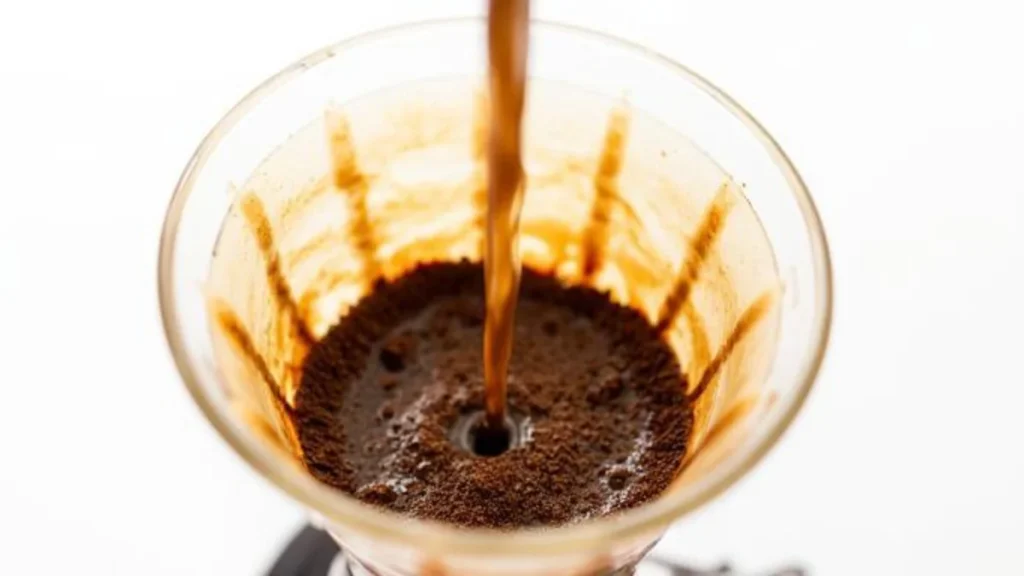
Extraction is the process by which water dissolves flavor compounds from coffee grounds. Done correctly, it produces a balanced cup with sweetness, acidity, and mild bitterness in harmony. Over-extraction happens when water pulls too many compounds — including the harsh, bitter ones that should stay behind.
Under-extraction produces sour, weak coffee. Over-extraction produces harsh, bitter coffee. The goal is to hit the sweet spot in between.
| Extraction Type | Taste Profile | Common Cause |
| Under-extracted | Sour, thin, weak | Grind too coarse / brew too short |
| Balanced | Sweet, smooth, complex | Correct grind, time & temperature |
| Over-extracted | Bitter, harsh, dry | Grind too fine / brew too long |
Taste your coffee critically. Sour = under. Bitter = over. Flat = something else entirely.
If you want to understand this in more depth, our Coffee Extraction Guide will be a perfect fit.
Common Causes of Bitter Coffee
Each cause has a specific fix. Work through them one at a time until your cup improves.
1. Grind Size Is Too Fine
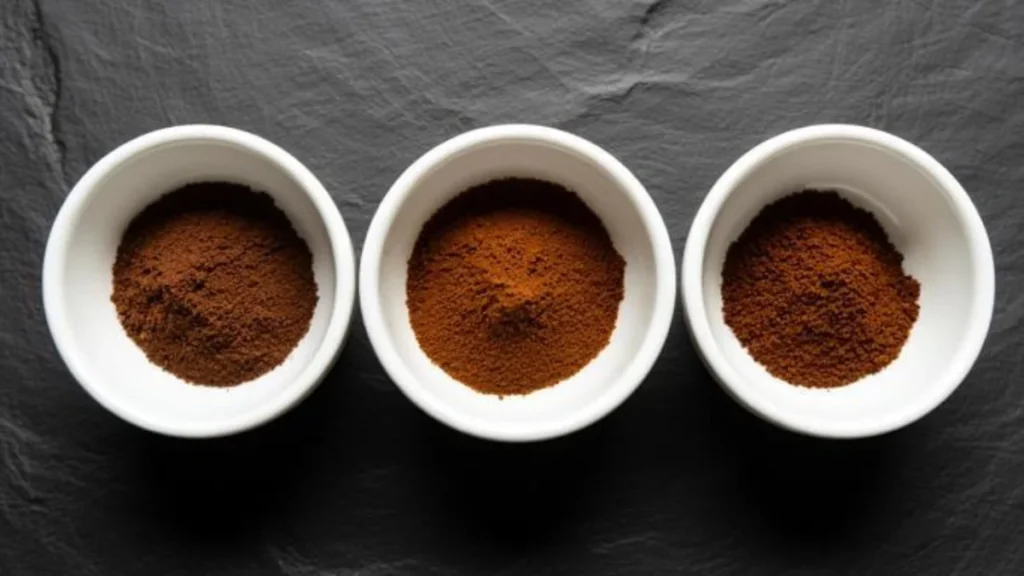
Fine grounds have a larger surface area, which causes water to extract flavor compounds much faster than intended. Even a brew that’s perfectly timed can turn bitter if the grind is too fine.
- Fix: Adjust your grinder one step coarser
- Fix: Aim for medium-coarse for French press, medium for pour-over
- Fix: Invest in a burr grinder for consistent, even particle size
👉 Grind size is the single most impactful variable for controlling bitterness.
2. Brewing Time Is Too Long
The longer water stays in contact with coffee grounds, the more it extracts — including bitter compounds that develop in the later stages of extraction.
- Fix: Reduce steep time for French press to 3–4 minutes
- Fix: Speed up your pour for pour-over to avoid over-saturation
- Fix: For espresso, aim for a 25–30 second shot time
3. Water Temperature Is Too High
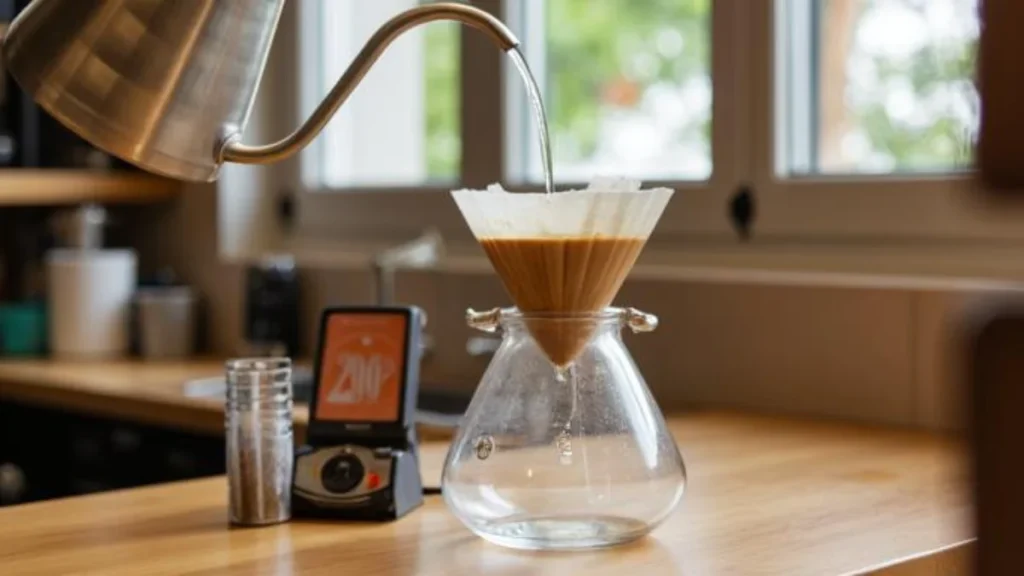
Boiling water extracts faster and more aggressively than water at the ideal brewing temperature. The extra heat pulls bitter, astringent compounds that cooler water would leave behind.
| Method | Ideal Temperature | Notes |
| Pour-Over | 195–205°F / 90–96°C | Off boil, rest 30 sec |
| French Press | 190–200°F / 88–93°C | Off boil, rest 45 sec |
| AeroPress | 175–185°F / 80–85°C | Lower temp = smoother cup |
| Espresso | 195–205°F / 90–96°C | Machine-controlled |
| Cold Brew | Cold / room temperature | No heat — no bitterness risk |
Water temperature is another crucial factor that influences taste. Learn more in our Best Water Temperature for Pour Over Coffee Brewing Guide
👉 No thermometer? Boil, then wait 30–45 seconds. Simple and effective.
4. Too Much Coffee — Strong Ratio
A ratio that’s too concentrated amplifies all flavor compounds — including bitter ones. This is often mistaken for a grind or temperature problem.
- Fix: Start with a 1:15 ratio (1g coffee to 15g water) and adjust
- Fix: Use a kitchen scale — volume measurements are inconsistent
- Fix: Reduce the coffee amount by 10% and taste before changing anything else
For more details, read our Coffee Brewing Ratio Guide that breaks down everything you need to know about coffee-to- water ratios
5. Stale or Low-Quality Coffee Beans
Old beans and very dark roasts are inherently more prone to bitterness. Dark roasts are roasted to the point where the bean’s natural sugars caramelize and then begin to break down, producing a sharper, more bitter flavor profile.
- Fix: Check the roast date — use beans within 2–4 weeks of roasting
- Fix: Try a medium roast if dark roast consistently tastes harsh
- Fix: Buy whole beans and grind fresh — pre-ground coffee goes stale rapidly
6. Dirty Brewing Equipment
This cause is often overlooked entirely. Coffee oils build up inside grinders, French presses, drippers, and carafes over time. Rancid oil residue adds a stale, bitter note to every brew, regardless of how good the beans or technique are.
- Fix: Rinse equipment thoroughly after every use
- Fix: Deep clean your French press and dripper weekly
- Fix: Clean your grinder burrs monthly with a brush or grinder cleaning tablet
Our How to Clean a Coffee Grinder Guide will walk you through the step-by-step process that eliminates stale oils and residue, causing sour, bitter flavors in your brew
👉 A clean setup is one of the easiest free upgrades you can make to your coffee.
How to Fix Bitter Coffee — Step by Step
Work through these adjustments in order. Change only one variable between brews so you can identify exactly what’s making the difference.
- Coarsen your grind by one step — this fixes most cases immediately
- Reduce brew time — shorten steep or speed up your pour
- Check water temperature — aim for 195–205°F / 90–96°C
- Use less coffee — try a 1:15 or 1:16 ratio
- Switch to fresher beans — check the roast date
- Clean your equipment thoroughly — then brew again
👉 Most bitter coffee problems are solved at step 1 or 2. Start there.
Method-Specific Fixes at a Glance
Different brewing methods have different extraction dynamics. Here’s what to adjust based on how you brew.
| Heat too high or the grind is too fine | Ideal Grind | Brew Time | Temp | Common Bitter Cause |
| Pour-Over | Medium | 3–4 min | 195–205°F | Grind too fine or slow pour |
| French Press | Coarse | 3–4 min | 190–200°F | Over-steeping |
| AeroPress | Medium-fine | 1–2 min | 175–185°F | Brew time too long |
| Espresso | Very fine | 25–30 sec | 195–205°F | Over-extraction or grind too fine |
| Cold Brew | Coarse | 12–24 hrs | Cold | Over-steeping beyond 24 hours |
| Moka Pot | Fine-medium | ~5 min | Medium-low heat | Heat too high or grind too fine |
Knowing what not to do is just as valuable as knowing what to fix — here are the mistakes that cause bitter coffee to recur.
Common Mistakes That Keep Coffee Bitter
| Use beans within 4 weeks of roasting | Why It Causes Bitterness | What to Do Instead |
| Changing multiple variables | Can’t identify which fix worked | Change one thing per brew |
| Using a blade grinder | Uneven particle size = uneven extraction | Switch to a burr grinder |
| Boiling water straight in | Too hot — extracts bitter compounds fast | Rest 30–45 sec after boiling |
| Ignoring roast date | Stale beans taste harsher and flatter | Use beans within 4 weeks of roast |
| Never cleaning equipment | Oil residue adds rancid bitterness | Clean after every use |
| Guessing ratios by volume | Inconsistency brew to brew | Weigh coffee and water |
Diagnose Your Cup by Taste
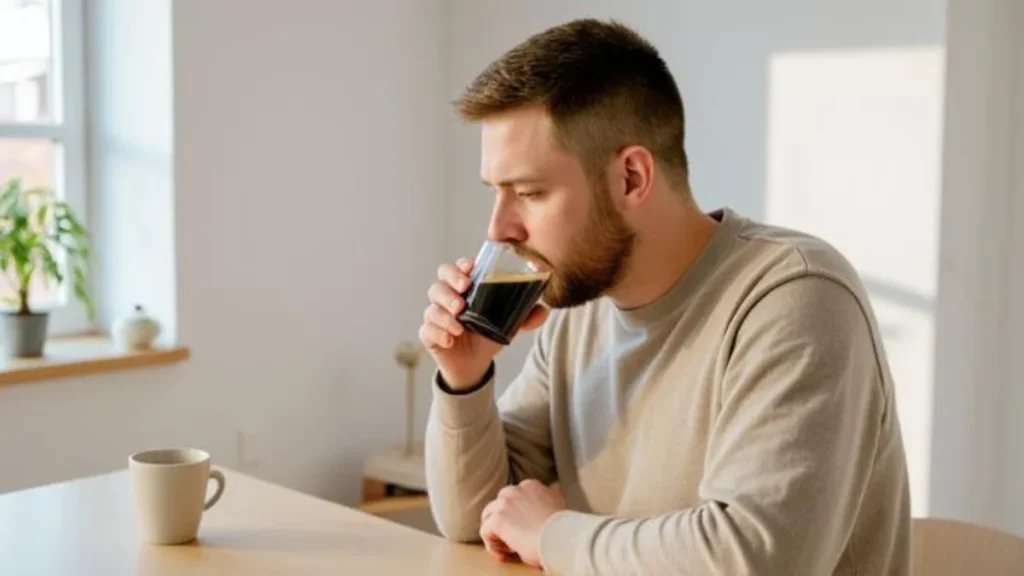
Not sure if bitterness is really the problem? Use this quick taste guide to identify what’s actually going wrong.
| What You Taste | Likely Cause | First Fix to Try |
| Harsh, burnt, dry | Over-extraction | Coarsen the grind |
| Sour and thin | Under-extraction | Finer grind or longer brew |
| Flat and stale | Old beans or dirty equipment | Fresh beans + clean setup |
| Sharp but not bitter | Water too hot | Lower brewing temperature |
| Bitter only at the finish | Brew time slightly too long | Reduce steep or pour time |
| Consistently bitter | Grind too fine + beans too dark | Coarser grind + lighter roast |
Frequently Asked Questions
Why does my coffee taste bitter even with good beans?
Good beans can still produce bitter coffee if the extraction is off. The most likely culprits are grind size and water temperature — a grind that’s too fine or water that’s too hot will over-extract even high-quality beans. Start by coarsening your grind by one step and letting your boiled water rest for 30 seconds before brewing.
Can grind size alone cause bitterness?
Yes — and it’s the most common single cause. A grind that’s too fine dramatically increases extraction speed, pulling bitter compounds that a coarser grind would leave behind. If everything else in your process is correct and your coffee still tastes bitter, adjusting grind size alone will usually fix it.
Is some bitterness in coffee normal?
Yes. A small amount of bitterness is a natural and desirable part of coffee’s flavor profile — it adds depth and contrast to sweetness and acidity. The problem is excessive or lingering bitterness that overwhelms everything else. A well-extracted cup should taste balanced, not sharp or harsh.
Does dark roast always taste more bitter?
Generally, yes. The longer a bean is roasted, the more its natural sugars break down, producing compounds with a sharper, more bitter taste. This doesn’t make dark roast bad — it’s a style preference — but if you consistently find your coffee too bitter, switching to a medium roast with the same brewing method often makes a noticeable difference.
Why does my French press coffee taste so bitter?
French-press bitterness is almost always caused by oversteeping. Four minutes is the standard steep time for most coarse grinds. Beyond that, the coffee continues extracting and turns harsh quickly. Also, check that you’re using a coarse grind — French press with a medium or fine grind will over-extract significantly within that same four-minute window.
Does water quality affect bitterness?
It can. Hard tap water contains minerals that interact with coffee compounds, amplifying harsh, bitter notes. Filtered or bottled still water gives you a cleaner, more neutral base that lets the coffee’s actual flavor come through. If you’ve fixed your grind and temperature but bitterness persists, water quality is worth investigating.
Conclusion
Bitter coffee is frustrating — but it’s one of the most solvable problems in home brewing. In almost every case, the cause is over-extraction from a grind that’s too fine, a brew time that’s too long, water that’s too hot, or some combination of the three.
The approach that works every time is simple: change one variable per brew, taste critically, and adjust from there. Most people find the fix at the very first step — coarsening the grind — and the improvement is immediate.
Beyond extraction, don’t overlook the basics: fresh beans, correct water temperature, accurate ratios, and clean equipment. Get those right, and bitter coffee becomes a problem you’ll rarely encounter again.
To build a strong foundation, explore this beginner’s guide to brewing coffee at home that covers everything you need to get started.