
Quick Answer Box
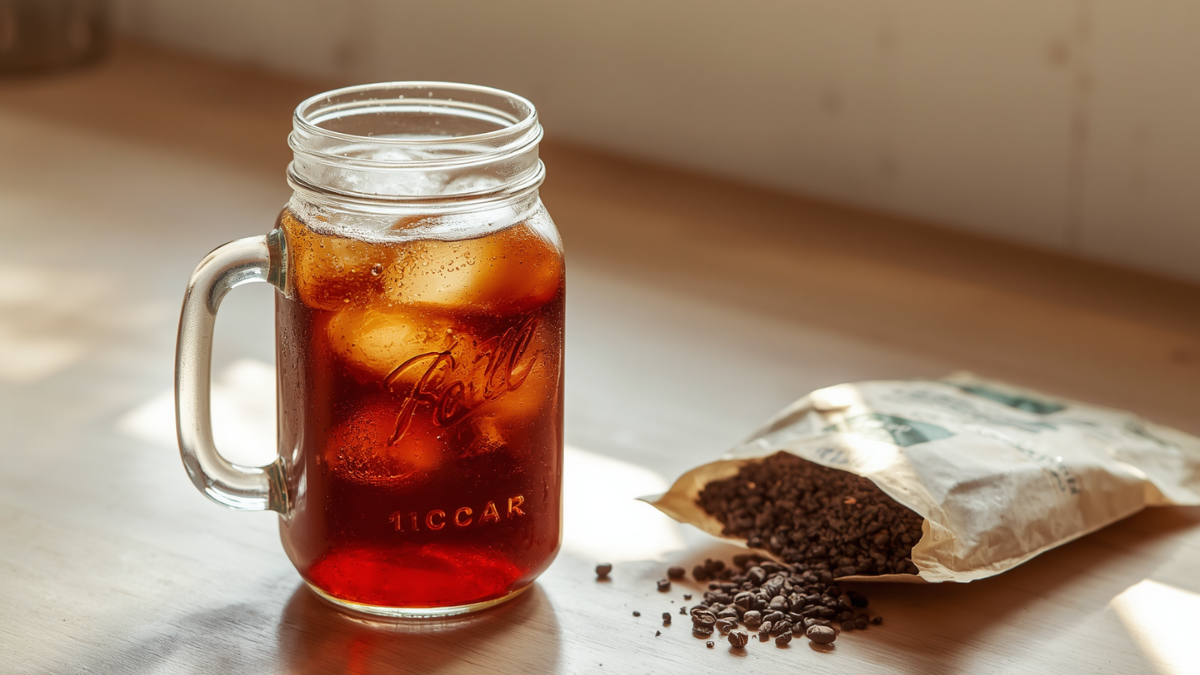
The best coffee beans for cold brew are medium- to dark-roasted, low-acid coffees with chocolatey, nutty, or earthy flavor profiles — Brazilian, Sumatran, and dark-roasted blends are reliable choices. Cold brew’s long steep time and cold water naturally produce a smoother, less acidic cup, so bold, simple flavor profiles tend to translate better than delicate, bright ones.
Introduction
Cold brew has a flavor reputation of its own — smooth, slightly sweet, naturally low in acidity, often enjoyable even without sugar or milk. That reputation comes largely from the brewing process itself: cold or room-temperature water steeped with coarse coffee grounds for 12 to 24 hours.
But bean choice still matters, even with a brewing method known for its forgiving nature. Some beans produce a noticeably better cold brew than others, and understanding why can save you from wasting good (or not-so-good) coffee on the wrong method.
This guide explains how cold brewing changes flavor extraction, which roast levels and origins perform best, and how to choose beans with confidence.
How Cold Brew Extraction Is Different
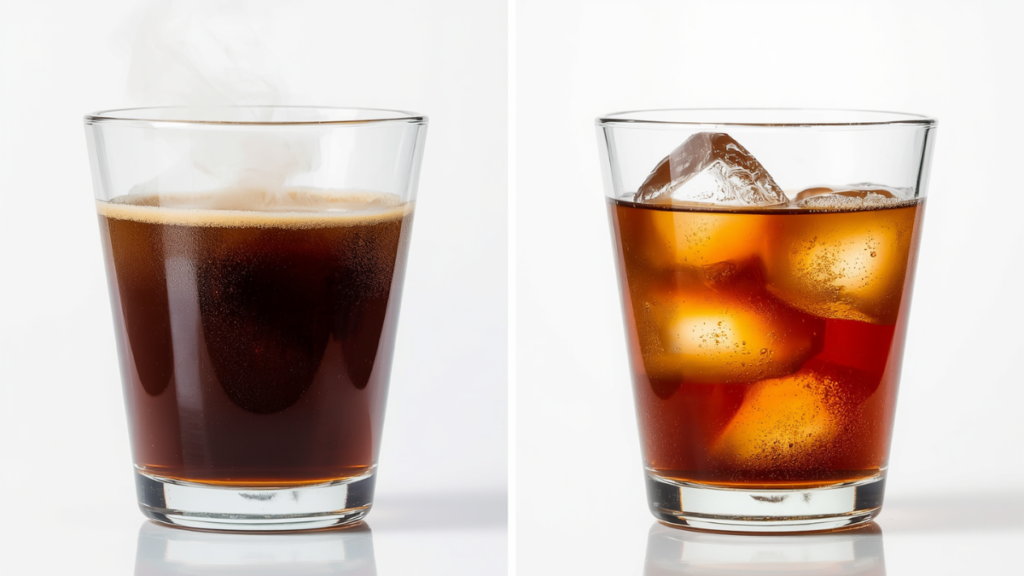
Cold brew extraction works on a completely different mechanism than hot brewing methods. Without heat to accelerate the process, extraction happens much more slowly — which is why cold brew needs 12 to 24 hours of steep time instead of a few minutes.
This slow, cold extraction has a particular effect on which flavor compounds make it into your cup. Heat is especially effective at dissolving certain acidic and bitter compounds. Without that heat, fewer of those compounds extract, even over a long steep time. This is the core reason cold brew tastes smoother and less acidic than hot-brewed coffee made with the same beans.
The practical takeaway: beans that taste sharp or bright when hot-brewed will taste noticeably mellower in cold brew. And beans that already lean toward smooth and low-acid will taste even smoother once cold-brewed.
Roast Level: What Works Best for Cold Brew
Medium Roast
Medium roast is a strong, versatile choice for cold brew. It retains enough complexity to stay interesting over a long steep, while having moderate acidity that mellows nicely through the cold extraction process. Chocolate and nutty notes tend to come through clearly.
Best for: Most cold brew drinkers who want balanced, smooth flavor without going too intense.
Dark Roast
Dark roast is a very popular and reliable choice for cold brew. Its naturally low acidity and bold, smoky, caramelized flavors hold up well over a long cold steep, and the smoothing effect of cold extraction further reduces any residual sharpness. This combination produces the rich, mellow, slightly sweet character many people associate with quality cold brew.
Best for: Drinkers who want a bold, smooth, low-acid cup — classic “cold brew shop” flavor.
Light Roast
Light roast cold brew is less common, but it has its advocates. Because cold extraction already softens acidity significantly, some light-roasted coffees that taste too sharp when hot-brewed become genuinely pleasant and bright when cold-brewed instead — almost like an iced tea with coffee character.
If you enjoy light roast but find it too acidic, hot- or cold-brewing it is worth trying before writing off the roast level entirely.
Best for: Adventurous drinkers and those who find light roast too sharp when hot-brewed.
Best Coffee Origins for Cold Brew
Brazilian Coffee
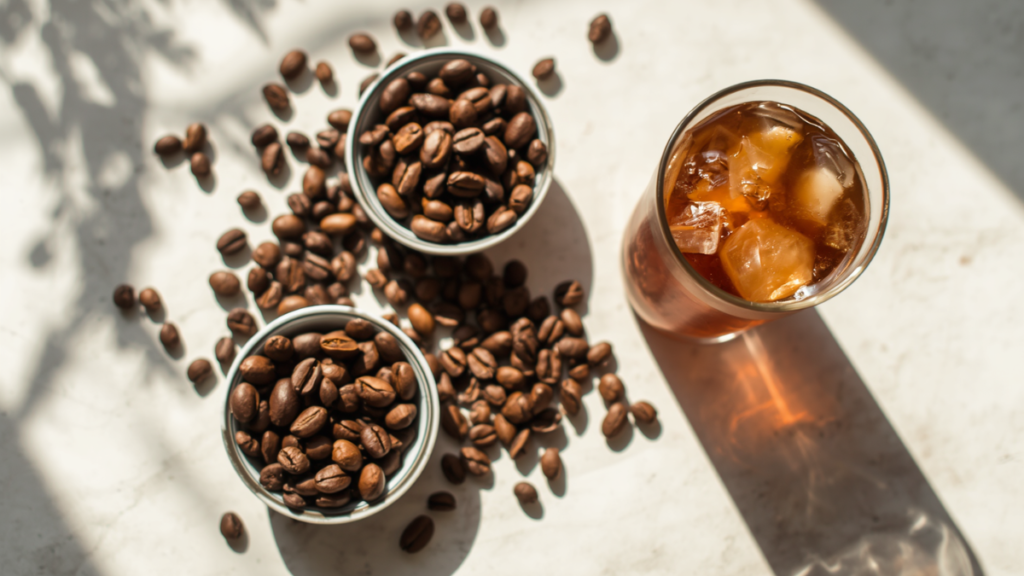
Brazilian coffee is a near-perfect match for cold brew. It’s naturally smooth, nutty, and chocolatey with low-to-moderate acidity even before cold extraction softens it further. The result is a rounded, easy-drinking cup with minimal sharpness.
Sumatran Coffee
Sumatran coffee’s naturally earthy, low-acid, full-bodied profile translates beautifully into cold brew. Expect notes of dark chocolate, cedar, and a heavier mouthfeel — a cold brew with real depth and richness.
Colombian Coffee
Colombian coffee offers a slightly brighter alternative to Brazilian or Sumatran beans, with notes of caramel and mild red fruit alongside good body. Cold brewing softens what acidity it has, producing a balanced, approachable cup that’s neither too bold nor too delicate.
Guatemalan and Honduran Coffee
These Central American origins bring gentle sweetness, moderate body, and mild acidity that mellows nicely over a long cold steep. They’re dependable, crowd-pleasing options if you want something smooth without leaning as heavily into the earthy intensity of Sumatran beans.
Ethiopian and Kenyan Coffee (Use With Some Caution)
These bright, fruit-forward origins can work in cold brew, but they shine less here than in pour-over. Cold extraction softens their signature acidity and complexity, which is exactly what makes them special in other methods. If you want to try them in cold brew anyway, expect a milder, less distinctive version of their usual character — pleasant, but not their best showcase.
Single-Origin vs Blends for Cold Brew
Similar to French press, cold brew tends to work well with both single-origin coffee and blends, with blends having a slight practical edge.
Because cold extraction softens and rounds out flavor across the board, the fine distinctions that make single-origin coffee special in pour over are less pronounced in cold brew. Many roasters offer “cold brew blends” specifically formulated for bold, low-acid flavor at scale — these are often a reliable, cost-effective choice.
If you already enjoy single-origin beans, there’s no need to avoid them for cold brew. They’ll simply taste smoother and milder than they do hot-brewed.
Does Roast Freshness Matter for Cold Brew?
Yes, though slightly less critically than for pour over. Cold brew’s long steep time and lack of a bloom step mean fresh beans aren’t as essential as they are for methods that rely on rapid CO2 release.
That said, fresher beans still produce more vibrant, complex flavor. Look for a roast date and aim to use beans within 4–6 weeks of roasting for cold brew — slightly more lenient than the 2–4-week window recommended for pour-over.
Grind Size for Cold Brew
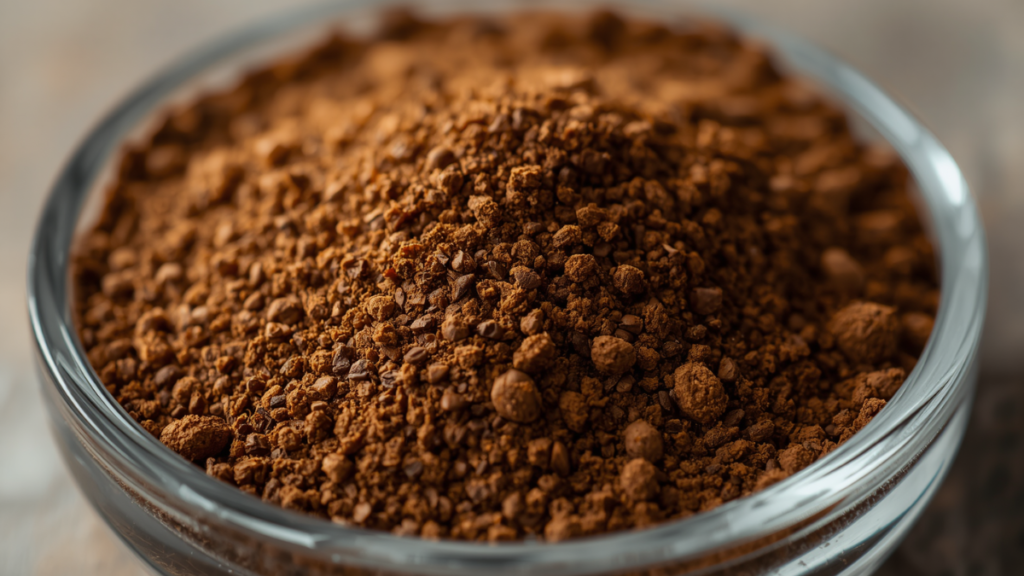
Cold brew requires a very coarse grind — even coarser than French press, closer to the texture of raw sugar or peppercorns. This is necessary because the long steep time means a finer grind would lead to severe over-extraction and excessive bitterness.
A grind that’s too fine for cold brew can also clog filters and produce a muddy, sediment-heavy result. See the Coffee Grind Size Chart for reference points across all brewing methods.
Matching Beans to Your Preferences
If you want classic, smooth coffee shop cold brew flavor:
Choose a dark-roasted Brazilian or Sumatran coffee, or a dedicated cold-brew blend.
If you want something a bit brighter without too much acidity:
Try a medium roast Colombian or Guatemalan coffee.
If you usually find coffee too acidic, even cold brew: Stick with dark roast, low-acid origins like Sumatra or Brazil.
If you love bright, fruity coffee and are curious about cold brew:
Try a light roast Ethiopian, expecting a milder, more iced-tea-like version of its usual character rather than its full hot-brewed intensity.
Best Beans for Cold Brew Coffee: FAQs
Does roast level matter as much for cold brew as it does for hot brewing methods?
Somewhat less, but it still matters. Cold extraction softens acidity and intensity across all roast levels, which makes cold brew more forgiving overall. However, dark and medium roasts still tend to produce the smoothest, most balanced results, while light roasts produce a milder, less typical flavor profile than they would hot-brewed.
Can I use the same beans for cold brew that I use for drip coffee or pour over?
Yes. The same beans will simply taste different — generally smoother and less acidic — when cold-brewed than when hot-brewed. If you already have beans you enjoy, there’s no need to buy something specifically for cold brew, though dedicated cold-brew blends are formulated to maximize this brewing style’s strengths.
Why does cold brew taste smoother than hot coffee made with the same beans?
Cold water extracts fewer acidic and bitter compounds than hot water does, even over a much longer steep time. Heat is particularly effective at dissolving those specific compounds, so removing heat from the process naturally produces a smoother, less sharp cup.
Is it worth buying a specific “cold brew blend”?
It can be. These blends are typically formulated with low-acid, bold-flavored beans specifically chosen to perform well over a long cold steep. They’re a reliable, no-guesswork option, though a dark roast Brazilian or Sumatran single-origin will often achieve a similar result.
Does grind size affect flavor as much as bean choice for cold brew?
Yes, arguably more. A grind that’s too fine for cold brew can produce excessive bitterness and a muddy, sediment-heavy cup, regardless of how good the underlying beans are. Always use a very coarse grind for cold brew.
Key Takeaways
- Cold extraction naturally softens acidity — beans that taste sharp hot-brewed often taste much smoother cold brewed.
- Medium– to dark-roast, low-acid origins like Brazilian and Sumatran coffee are the most reliable cold-brew choices.
- Blends work well for cold brew, similar to French press, since fine distinctions matter less after long cold extraction.
- Use a very coarse grind — finer grinds lead to bitterness and sediment over a long steep.
- Freshness still matters, but the window is slightly more forgiving — aim for beans roasted within 4–6 weeks.
Recommended Reading
- Cold Brew Coffee Guide
- Cold Brew vs Iced Coffee: What’s the Difference
- How to Dilute Cold Brew Coffee Properly
- Why Is My Cold Brew Coffee Weak?
- Best Coffee Beans for Different Brewing Methods
- Coffee Grind Size Chart