
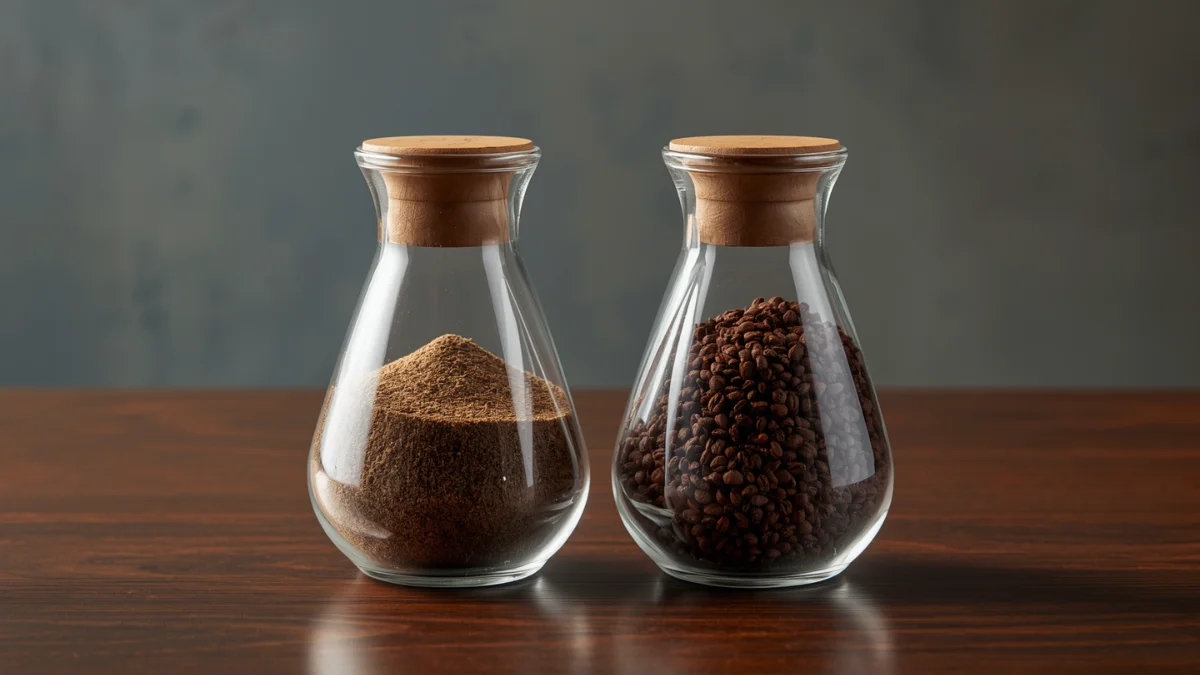
Quick Answer: Grind Size and Coffee Taste
Coffee grind size controls extraction speed and flavor balance:
- Fine grind → fast extraction → bitter, over-extracted taste
- Coarse grind → slow extraction → sour or weak taste
- Correct grind size → even extraction → smooth, balanced coffee
👉 Always match grind size to your brewing method for the best results.
Table of Contents
Introduction
Grind size is one of the most important factors in coffee brewing, directly influencing extraction, flavor balance, and overall taste quality.
When hot water interacts with coffee grounds, it extracts compounds like oils, acids, and sugars. The size of those grounds determines how quickly this extraction happens, which is why grind size can make the difference between a perfectly balanced cup and one that tastes bitter or sour.
Even if you use high-quality beans and the right brewing method, the wrong grind size can ruin your coffee.
In this complete guide, you’ll learn:
- How to choose the right grinder for consistency
- How grind size affects coffee extraction and taste
- The best grind size for each brewing method
- How to fix bitter, sour, or weak coffee
Coffee Grind Size Chart
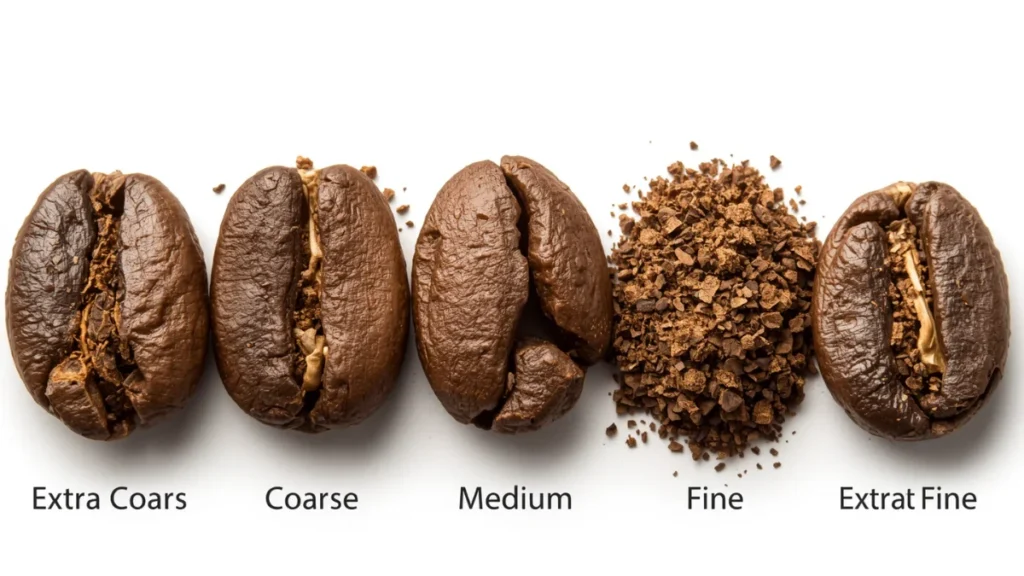
| Grind Size | Texture | Best For | Extraction Speed |
|---|---|---|---|
| Extra Coarse | Chunky (sea salt) | Cold brew | Very slow |
| Coarse | Rough (kosher salt) | French press | Slow |
| Medium | Sand-like | Pour over, drip coffee | Medium |
| Fine | Powdery | Espresso | Fast |
| Extra Fine | Flour-like | Turkish coffee | Very fast |
What Is Coffee Grind Size?
Coffee grind size refers to how coarse or fine coffee beans are ground before brewing.
It typically ranges from:
- Extra coarse
- Coarse
- Medium
- Fine
- Extra fine
Each grind size changes how water flows through the coffee and how quickly flavor compounds are extracted.
Each brewing method requires a specific grind size for proper extraction.
👉For a visual reference, see our Coffee Grind Size Chart.
Why Coffee Grind Size Matters for Extraction
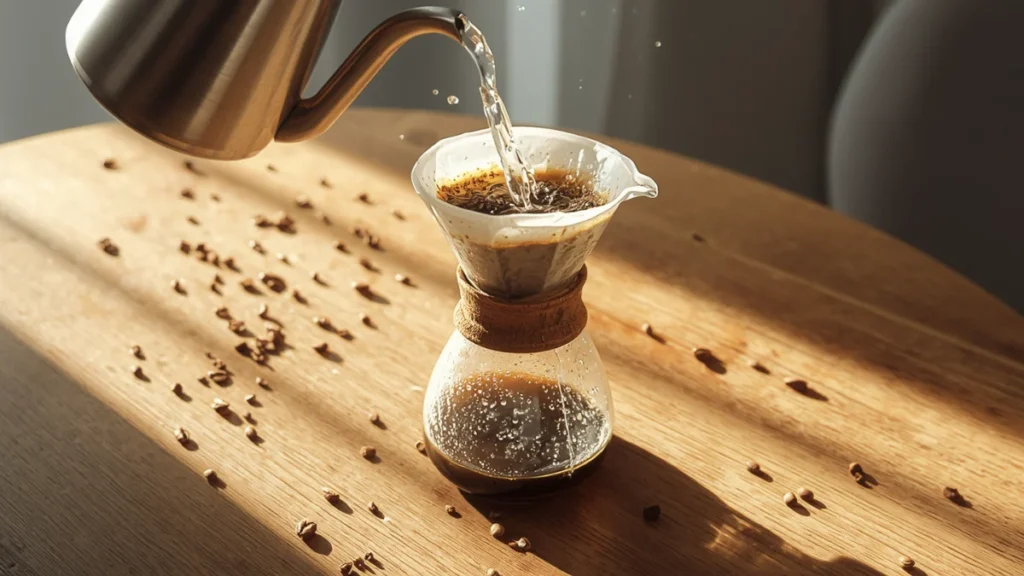
Coffee brewing is a process of extraction in which water dissolves flavor compounds from ground coffee.
Grind size directly affects:
Surface Area
- Fine grind → more surface area → faster extraction
- Coarse grind → less surface area → slower extraction
Contact Time
- Smaller particles extract quickly
- Larger particles require more time
Flavor Balance
- Over-extraction → bitter taste
- Under-extraction → sour taste
👉 The goal is balanced extraction, where sweetness, acidity, and body are in harmony.
If you want to understand this in more depth, our Coffee Extraction Guide will be a perfect fit.
With this extraction principle in mind, let’s explore exactly how different grind sizes change your coffee’s flavor profile.
How Grind Size Affects Coffee Taste
Let’s break down how grind size directly impacts flavor.
If Grind Is Too Fine
- Water extracts too quickly
- Over-extraction occurs
- Coffee tastes bitter and harsh
If Grind Is Too Coarse
- Water passes too quickly
- Under-extraction occurs
- Coffee tastes sour or weak
If Grind Size Is Correct
- Even extraction
- Balanced flavor
- Smooth and enjoyable cup
👉 If your coffee doesn’t taste right, grind size is often the first thing to check.
Now that you know how grind size impacts taste, here’s a practical guide to choosing the right grind for your preferred brewing method.
Best Grind Size for Each Brewing Method
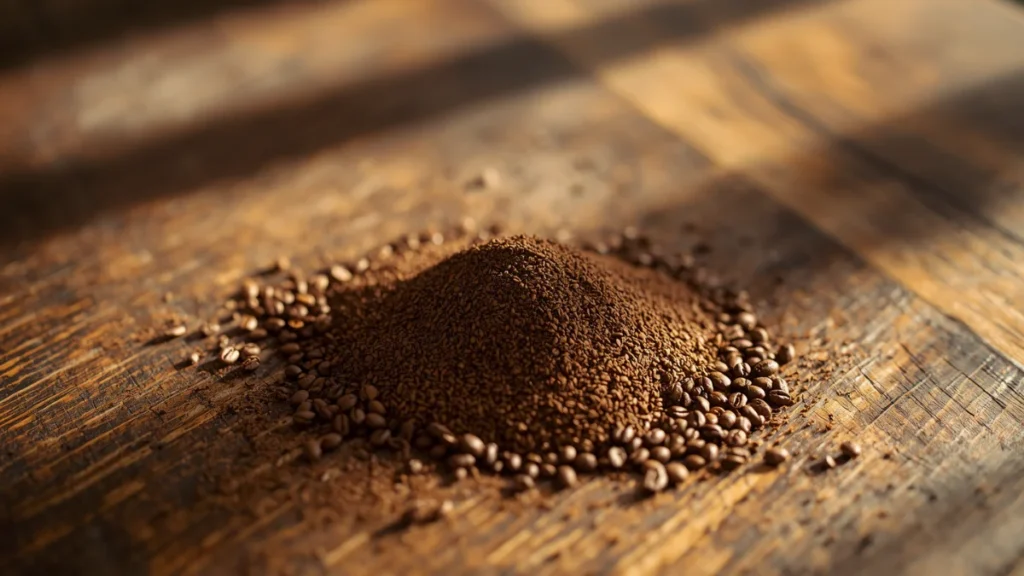
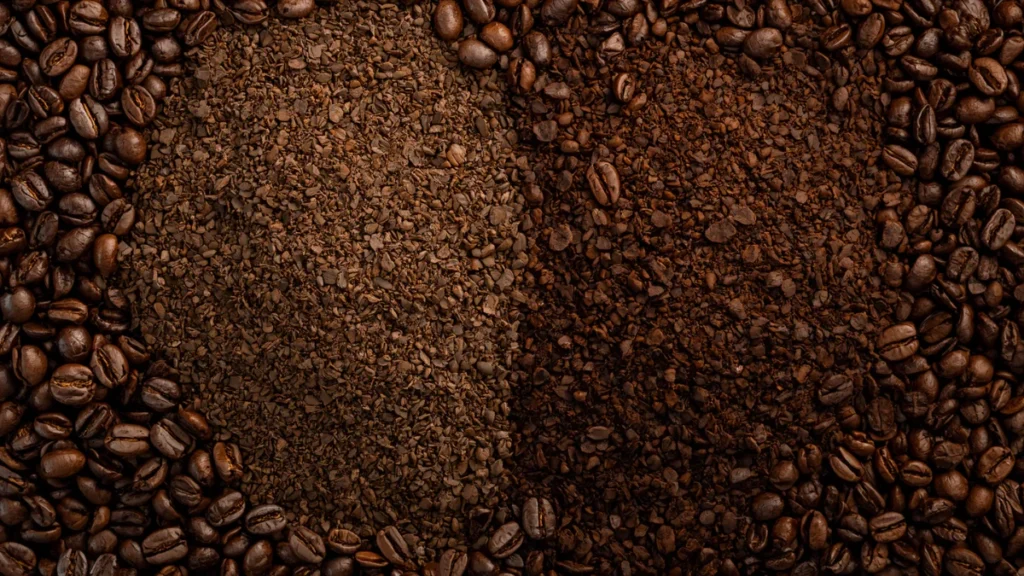
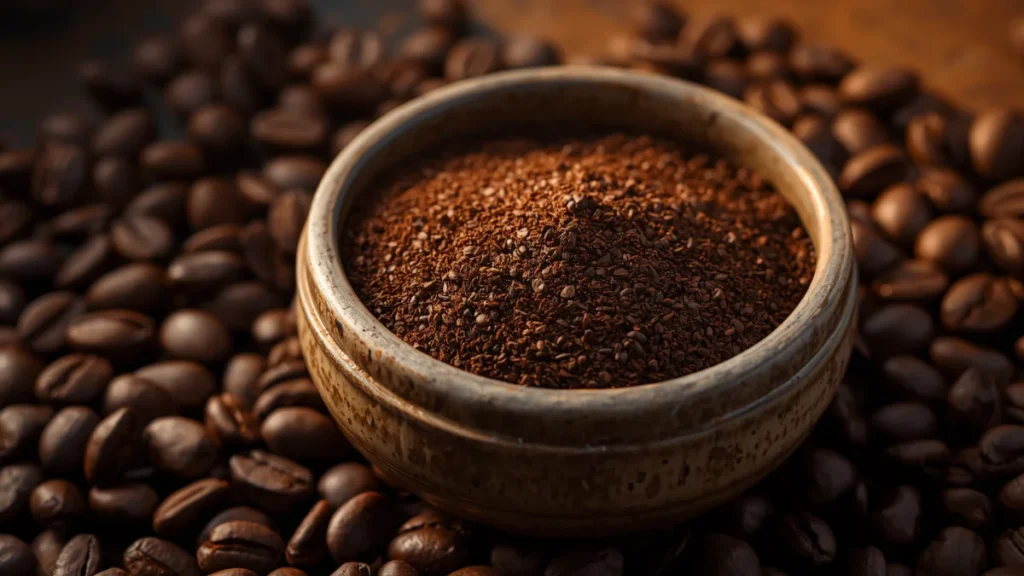
Different brewing methods require different grind sizes.
Pour Over Coffee
👉 Medium grind
- Ensures even water flow
- Produces clean, balanced flavor
Learn more in our Pour Over Coffee Guide.
French Press Coffee
👉 Coarse grind
- Prevents over-extraction
- Produces rich, full-bodied coffee
Cold Brew Coffee
👉 Extra coarse grind
- Allows slow extraction over time
- Produces smooth, low-acid coffee
👉 Using the wrong grind size for a method leads to poor results.
While adjusting grind size helps improve taste, the type of grinder you use also plays a crucial role in achieving consistent results
Why Burr Grinders Make a Difference
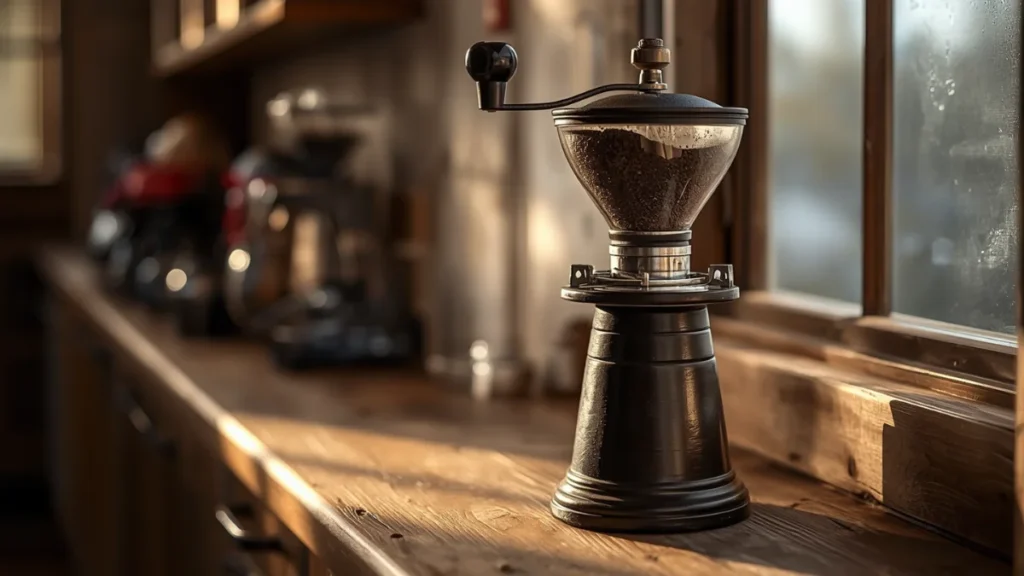
Grind consistency is just as important as grind size.
Burr Grinders
- Produce uniform particles
- Ensure even extraction
- Improve flavor clarity
Blade Grinders
- Produce uneven particles
- Cause mixed extraction
- Lead to inconsistent taste
👉 Understand why grind uniformity matters in Burr vs Blade Coffee Grinders: Which Is Better for Home Brewing?
Even with the right grinder and knowledge, beginners often make a few common mistakes that affect the quality of their coffee.
Common Grind Size Mistakes
1. Using the Same Grind for Every Method
Each method requires a specific grind size.
2. Not Adjusting Grind Size
Taste changes require grind adjustments.
3. Using an Inconsistent Grinder
Leads to uneven extraction.
👉 To improve your setup, read our Coffee Grinders Guide
To avoid these pitfalls, here’s a quick reference guide to help you choose the right grind size from the start.
How to Choose the Right Grind Size
If you’re unsure where to start:
- Pour over → medium grind
- French press → coarse grind
- Cold brew → extra coarse grind
👉 Adjust based on taste and brewing results.
Frequently Asked Questions
What grind size is best for coffee?
It depends on the brewing method. Each method requires a specific grind size.
Why does my coffee taste bitter?
It may be due to a grind that is too fine, causing over-extraction.
Does grind size really matter?
Yes. It directly affects extraction and overall flavor.
With these guidelines in hand, you’re ready to start experimenting and perfecting your coffee brewing technique.”
Final Thoughts
Coffee grind size plays a critical role in how your coffee tastes. By matching grind size to your brewing method and adjusting based on taste, you can dramatically improve your results.
If your coffee doesn’t taste right, start with grind size — it’s one of the simplest and most powerful variables you can control.
With a little practice, you’ll consistently brew coffee that’s balanced, flavorful, and enjoyable every time.
👉 For better consistency, see our Coffee Brewing Ratio Explained guide