

Quick Answer
Watery cold brew is almost never your beans — it’s one of four things: too little coffee for the water, a steep time under 12 hours, grounds that never fully extracted, or too much dilution and ice at serving.
The single fix that solves most batches: brew a 1:4 coffee-to-water concentrate, weigh your coffee instead of scooping, stir the slurry halfway through, steep 18–24 hours, and dilute it 1:1 (or less) at serving.
If your current batch is already watery, skip to the rescue section below — there’s a way to save it.
Introduction
Cold brew is supposed to be the smooth one: low-acid, no bitterness, a rich concentrate that lasts a week of iced coffee. So when it comes out tasting like lightly flavored water, it’s genuinely confusing — same beans, same maker, same recipe, and somehow it’s thin.
The good news is that watery cold brew is the most fixable problem in the category, because it has a small, predictable set of causes and none of them involve buying anything new. Every cause below is something you control: ratio, time, grind handling, or serving. We tested batches against each variable so the fixes below are the ones that actually work, not folklore.
There’s also a useful distinction to make before troubleshooting: watery is a mouthfeel problem (too many water molecules in your cup), while weak is a strength problem (not enough extraction from the beans). They overlap, they’re often confused, and they have different fixes. We cover both here, and link out to the deep dives.
Our Research Methodology
RoastVista evaluates coffee equipment using manufacturer specifications, verified customer feedback, long-term ownership reports, community discussions, and comparative analysis against competing products at the same price tier.
For this troubleshooting guide, we brewed side-by-side batches varying each suspect variable in isolation — ratio (1:4 vs 1:6 vs 1:8), steep time (8 / 12 / 18 / 24 / 28 hours), grind size, stirring (or not), and serving dilution — and tasted the results at each setting. We cross-checked the findings against published cold-brew guidance from specialty roasters (Equator, Ratio Coffee) and long-running community troubleshooting threads.
The 6 Causes of Watery Cold Brew
1. Your ratio is too weak
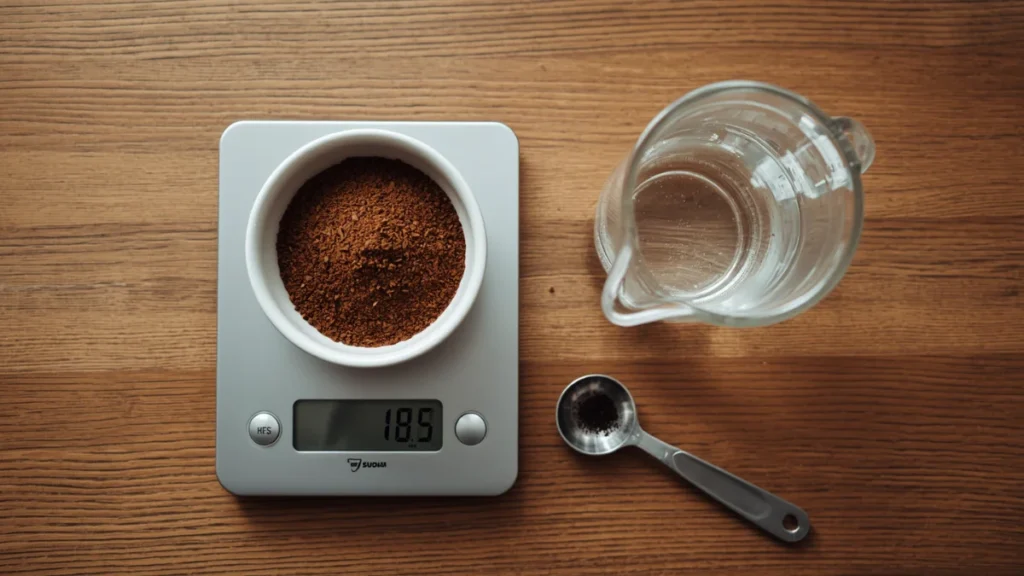
The cause. Cold water extracts much more slowly than hot water, so cold brew requires far more coffee by weight — roughly three to four times as much as a hot brew. If you’re using a “couple of scoops” or a recipe written for hot coffee, you’re making coffee-scented water.
How to tell: your brew has flavor, but no weight or body, and adding milk makes it disappear entirely.
The fix: weigh, don’t scoop. Use 1:4 coffee-to-water by weight for a true concentrate (e.g., 113 g coffee to 450 g water — or see our cold brew ratio chart for the full table). If you prefer ready-to-drink instead of concentrate, use 1:8 — and don’t let anyone tell you 1:10+ is normal; that’s where watery lives.
2. You steeped for too short a time
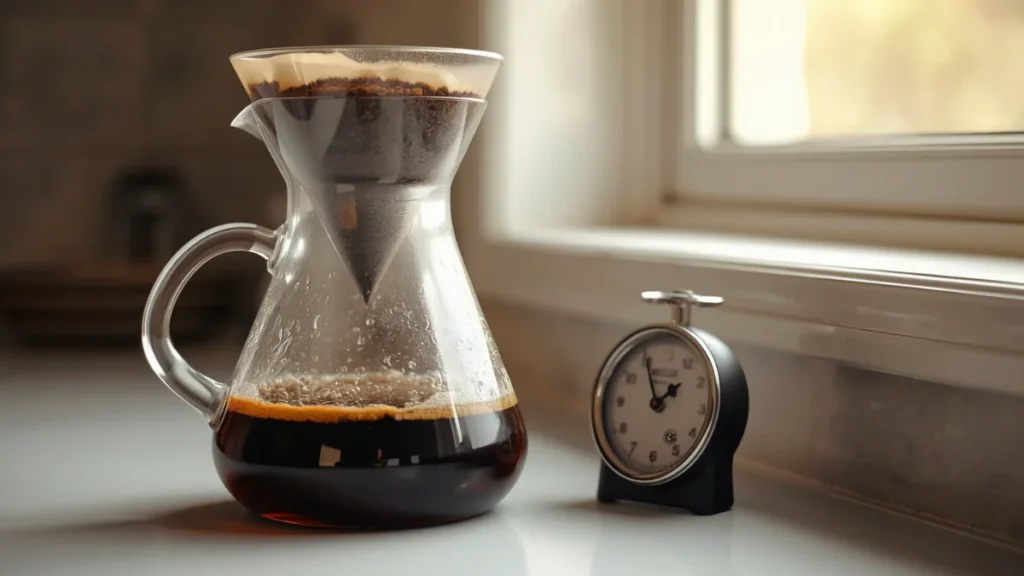
The cause. Within 12 hours, extraction is incomplete: the water simply hasn’t pulled enough dissolved solids from the grounds. This reads as weak and thin — and in the fridge, extraction slows further.
How to tell: the brew looks dark enough but tastes hollow, with a barely-there finish.
The fix: steep the full 18–24 hours in the fridge. At 24 hours, you get the strongest concentrate; past 24–28 hours, you’re no longer gaining strength — you’re extracting bitter, harsh compounds, so don’t “fix” watery by steeping for days. Other recipes vary — ours works.
3. Your grounds clumped, and the water bypassed them
The cause. When you add water to dry grounds, pockets of coffee can float and clump together, especially in the top layer. The water channels around the clumps instead of through them, so a chunk of your coffee never gets extracted — even at the right ratio and time.
How to tell: your batch was fine last week with the same recipe and now it’s thin, or the top of the slurry looked dry when you strained it.
The fix: stir the slurry at the 4–6-hour mark and again before straining. A quick whisk or spoon run breaks the clumps and guarantees full contact. This one variable alone rescues more thin batches than any other change.
4. Your grind is too coarse (or too fine, for the same reasons)
The cause. Cold brew wants a coarse — but not cactus-coarse — grind. Extremely coarse particles extract slowly and can under-deliver within a normal steep window. Conversely, a grind too fine (or pre-ground for drip) over-extracts quickly and leaves a bitter, muddy concentrate that tastes diluted when you dilute it, because the balance is off.
How to tell: grinding at the coarsest setting on your grinder yields watery batches; supermarket pre-ground yields bitter ones.
The fix: use a medium-coarse setting — coarser than drip, finer than “as coarse as possible” — and grind your own beans where you can. See the coffee grind size chart for the visual guide.
5. Ice melt and over-dilution at serving
The cause. This is the cause no one blames: the brew itself is fine, but you’re deliberately watering it down. A concentrate diluted 1:2 with water, topped with a full glass of melting ice, becomes a 1:5 brew by the end of the glass — guaranteed watery.
How to tell: the first sip is okay and it gets weaker as you drink; it tastes watery at the end, but the cold brew itself was fine.
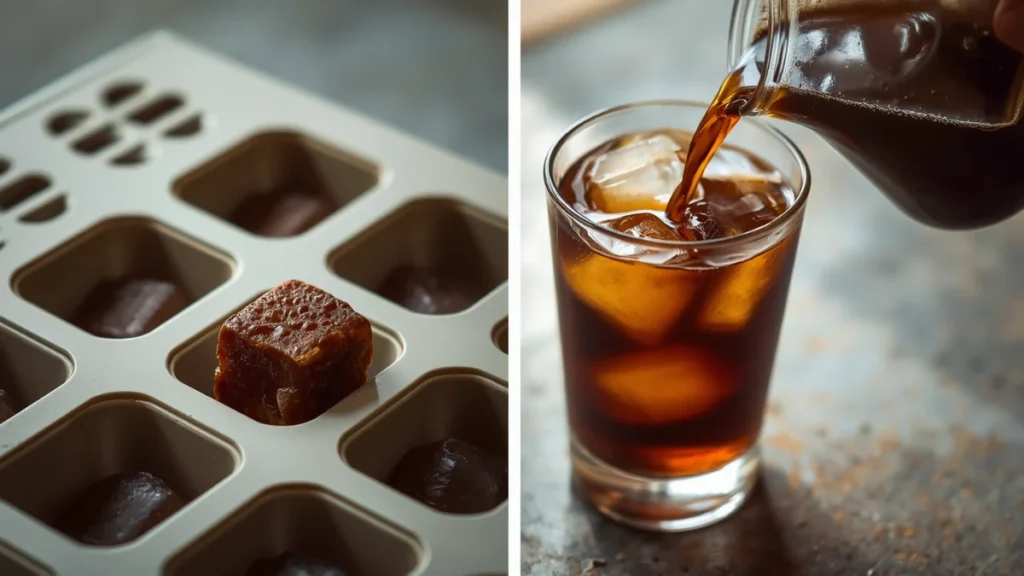
The fix: dilute concentrate at 1:1 or less, use a strong ratio to begin with, and switch to coffee ice cubes — freeze some concentrate so your ice adds flavor instead of water. The full science of dilution is in our how-to-dilute-cold-brew-properly guide.
6. You’re comparing it to the wrong benchmark
The cause. Cold extraction is gentler than hot: it produces a cleaner, softer cup with less bitterness and a lighter body than you might expect from a dark pour at a café. If you’re expecting espresso-like density, a proper cold brew can seem watery even when it’s correctly made.
How to tell: your cold brew tastes clean and balanced; you just wish it had more body or punch.
The fix: adjust the recipe upward (1:4, 24 hours) for more concentration, and if you want café-style density in your iced drink, add a shot of espresso to the glass — the standard trick cafés use. Cold brew is a base, not a competitor with espresso; they’re different drinks.
Watery vs Weak vs Bitter: Reading Your Batch
| Problem | Taste | Likely cause | Fix |
|---|---|---|---|
| Watery | Thin mouthfeel, clean but hollow | Dilution, ice melt, or ratio too weak | 1:4 concentrate, dilute less, coffee ice cubes |
| Weak | Not much flavor at all | Short steep, clumped grounds, too-coarse grind | Steep 18–24h, stir at 4–6h, medium-coarse grind |
| Bitter | Aggressive, harsh aftertaste | Steeped too long (>24–28h) or grind too fine | Shorter steep, coarser grind |
The difference between watery and weak matters: watery is fixable at serving, weak is fixed at brewing. We have a dedicated guide for the weak side — see why is my cold brew weak — and this article is the watery side of the same coin.
Your Batch Is Already Watery — How to Rescue It
You can’t re-steep a brewed batch and make it stronger, but you can absolutely salvage it — this is our rescue routine, in order of effort:
- Stop diluting it. Drink the concentrate straight, over ice cubes, over coffee, or topped with a splash of milk instead of water. Most “watery” batches are perfectly good at the wrong dilution.
- Add a shot of espresso. A single shot per glass restores body and punch in seconds. This is the café trick, and it works the same way at home.
- Use it as a base. A weak concentrate is still a great base for blended frozen drinks, coffee milkshakes, or a tall glass of milk with flavored syrup — places where texture and sweetness don’t expose its thinness.
- Freeze it into coffee ice cubes for your next batch, so the failure becomes the fix for the future.
Pro Tips
- Weigh your coffee once and write the number on the bag. The single most common cause of watery cold brew is eyeballing the ratio — a kitchen scale ends it permanently.
- Set a 5-hour reminder to stir. “Stir at 4–6 hours” is the highest-impact habit in cold brew; a phone timer makes it automatic.
- Brew concentrate, always. Concentrate keeps better (up to two weeks), dilutes to your taste per glass, and gives you control — ready-to-drink batches are where “it tastes watery” comes from.
- Chill the glass before pouring. A pre-chilled glass slows ice melt, keeping the last half of your drink as strong as the first.
- Don’t rescue watery with steeping time. Past 24 hours you’re extracting bitterness, not strength. Fix the ratio and grind instead — every hour past 24 makes it worse.
Cold Brew Tasting Watery: FAQs
Why does my cold brew taste watery?
Four usual suspects: a weak ratio (too little coffee), a steep shorter than 12 hours, grounds that clumped so water bypassed them, or too much dilution and melting ice at serving. Fix the ratio to 1:4, steep 18–24 hours, stir the slurry, and dilute less.
What is the best coffee-to-water ratio for cold brew?
1:4 by weight for concentrate you dilute 1:1–1:2, or 1:8 for ready-to-drink. Cold brew needs roughly three to four times as much coffee as hot brewing because cold water extracts more slowly.
How long should cold brew steep?
12–24 hours in the fridge, leaning toward 18–24 for a stronger concentrate. Under 12 hours tastes weak and thin; past 24–28 hours it turns bitter without getting stronger.
Why is my cold brew weak even after 24 hours?
Check the ratio first (it’s usually too weak), then whether the grounds clumped and channeled — stir at 4–6 hours next time — and finally the grind, which should be medium-coarse, not extra-coarse.
Does ice make cold brew watery?
Yes. Switch to coffee ice cubes (frozen concentrate) and dilute at a 1:1 ratio or less to keep the drink strong from the first sip to the last.
How do I fix a batch of cold brew that’s already watery?
Drink the concentrate undiluted or with a splash of milk, add a shot of espresso for body, or use it as a base for blended drinks. Fix the ratio and steep time on the next batch.
Final Verdict

Watery cold brew is a fixable problem with a short list of causes — and the ratio is guilty more often than not.
Weigh your coffee to a 1:4 concentrate, steep the full 18–24 hours, stir the slurry once halfway through, and dilute at 1:1 or less at serving. Five minutes of precision turns coffee-scented water into the smooth, rich concentrate cold brew is famous for.
And if today’s batch is already too thin, don’t pour it out — it’s still a perfectly good base. Fix the next batch with the rules above, and every glass after that will taste like it was worth brewing.
Recommended Reading
- Why Is My Cold Brew Weak?
- How to Dilute Cold Brew Coffee Properly
- Cold Brew Ratio Chart
- Cold Brew Coffee Guide
- Best Iced Coffee Makers (2026)
- How Long Does Cold Brew Last in the Fridge?