
Quick Answer Box
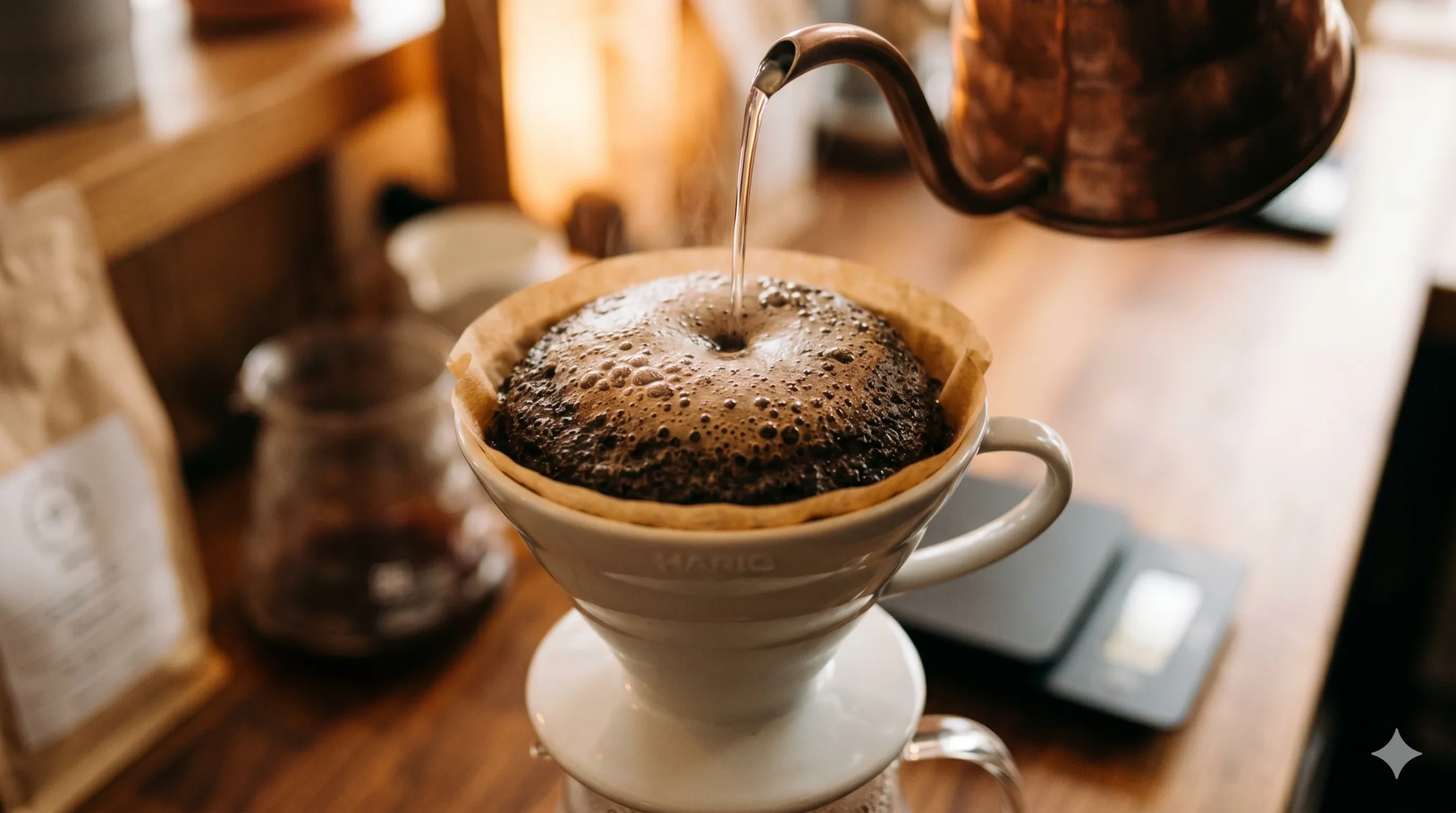
The coffee bloom is a 30–45 second pre-infusion step at the start of brewing. You pour a small amount of hot water over your grounds, watch them swell and bubble, then wait before continuing. This releases trapped CO2 gas, which allows water to make even contact with the coffee and extract flavor properly. Skip it, and you get an uneven, under-flavored brew.
Introduction
If you’ve watched a pour over brewing video online, you’ve seen it — the barista pours a small amount of water, the coffee bed swells up like a rising dome, and tiny bubbles fizz at the surface. Then they wait. And wait. Only then do they continue pouring.
That’s the bloom. And while it looks like a small detail, it’s one of the most important steps in the entire brewing process.
This article explains what the bloom actually is, why it matters for your cup, and how to do it correctly — whether you’re using a pour over, French press, or Aeropress.
What Is the Coffee Bloom?
The coffee bloom is a pre-infusion step: a small pour of hot water — usually about twice the weight of your coffee grounds — applied at the very start of brewing. The grounds absorb the water, swell slightly, and release gas bubbles. You pause for 30–45 seconds, then continue with your main pour or steeping process.
The visual swelling is part of what gives it the name. Fresh coffee grounds puff up noticeably when hot water hits them — sometimes dramatically, sometimes subtly depending on how recently the beans were roasted.
Why Does Coffee Release Gas?
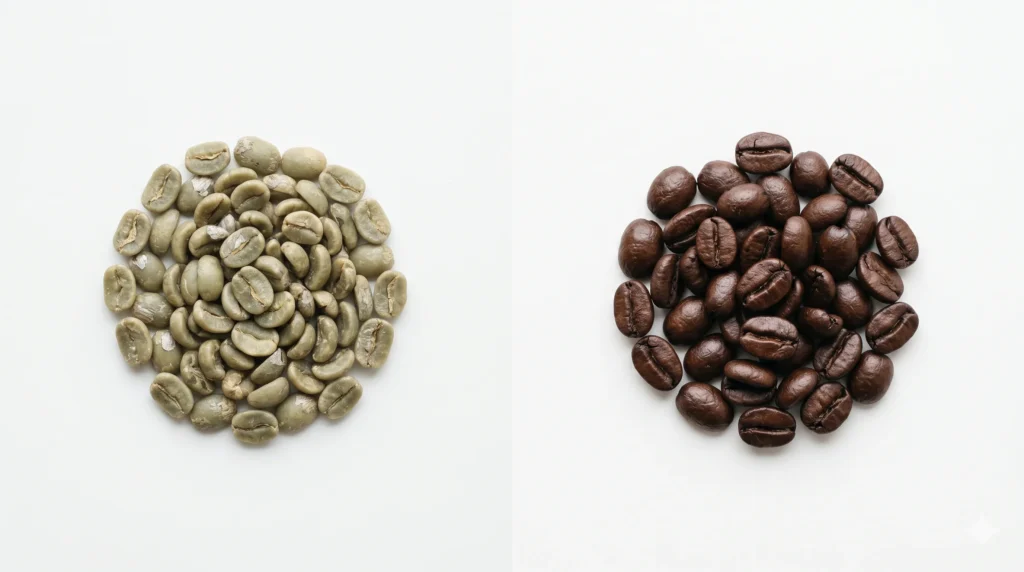
To understand the bloom, you need to understand what happens inside a coffee bean during roasting.
Roasting generates carbon dioxide (CO2) as a byproduct of the chemical reactions that transform green beans into the roasted coffee you recognize. This CO2 is trapped within the bean’s cellular structure. A freshly roasted bean is essentially a small pressurized container of CO2 gas.
After roasting, CO2 begins slowly escaping from the bean — a process called degassing. This is why quality coffee bags have one-way valves on them: CO2 needs to escape, but oxygen shouldn’t get in.
When you grind coffee, you dramatically break those cellular walls open, releasing CO2 much faster. When hot water then hits the freshly ground coffee, the remaining CO2 escapes even more rapidly — and that’s what you see as the bloom.
Why Does the Bloom Matter for Flavor?
Here’s where it becomes practical.
CO2 is hydrophobic, meaning it repels water. When a large amount of CO2 remains trapped in your grounds, it physically prevents water from consistently contacting the coffee. Instead of water flowing evenly through the entire bed, it channels around the areas with the most gas.
The result: uneven extraction. Some grounds are properly extracted, others are barely touched. The cup tastes flat, slightly sour, or just less than it should.
By adding the bloom water first and letting it sit, you give the CO2 time to escape before the main brew begins. Once the gas is out, water can flow evenly through the grounds, extracting flavor consistently.
Think of it this way: blooming isn’t optional prep work — it’s the step that makes the rest of the brew possible.
What Does a Good Bloom Look Like?
A good bloom has two visible signs:
- The coffee bed swells — the grounds rise slightly, sometimes quite dramatically with very fresh coffee.
- Bubbles appear at the surface — you’ll see small CO2 bubbles fizzing as the gas escapes.
The intensity of the bloom tells you something about your coffee’s freshness. Extremely fresh coffee (roasted within the past week) blooms aggressively — you may see a significant dome of grounds rising above the dripper rim. Older coffee blooms less dramatically. Very stale coffee may produce almost no reaction at all.
If you pour bloom water and nothing happens — no swelling, no bubbles — your coffee is likely past its best. The aromatics that contribute to a full, complex cup fade along with the CO2.
How to Bloom Coffee: Step by Step
For Pour Over
- Set your dripper on your server or cup, with a rinsed filter in place.
- Add your ground coffee to the filter. Give the dripper a gentle shake to level the bed.
- Start your timer.
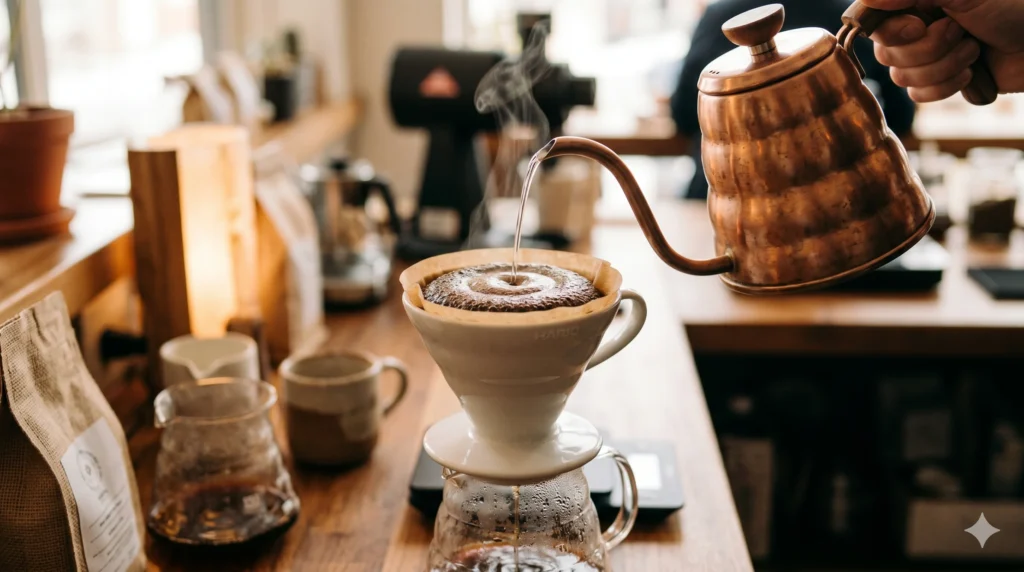
- Pour hot water in slow, steady circles, starting from the center and working outward. Use roughly twice the weight of your coffee in water — so for 20g of coffee, pour about 40g of water.
- Make sure all the grounds are saturated. Gently swirl the dripper if any dry spots remain.
- Wait 30–45 seconds. Watch for swelling and bubbling.
- Begin your main pour once the bloom is complete.
The bloom water counts toward your total brew water. If your recipe calls for 300g of water total and your bloom uses 40g, you have 260g left for the main pour.
For French Press
French press doesn’t require a bloom in the same strict sense as pour over, because you’re steeping rather than filtering. However, a short bloom still helps — especially with freshly roasted coffee.
- Add ground coffee to your French press.
- Pour just enough hot water to saturate all the grounds (roughly twice the coffee weight).
- Wait 30 seconds, stirring gently to ensure even saturation.
- Continue adding the remaining water and begin your steep.
This step improves the evenness of extraction and can reduce some of the excess bitterness caused by CO2 interfering with steeping.
See the French Press Coffee Guide for the full method.
For Aeropress
Aeropress blooming is similar to pour over. Add your grounds, pour bloom water equal to about twice the coffee weight, swirl gently, wait 30 seconds, then continue with your main water. The Aeropress’s shorter overall brew time makes the bloom less critical than with pour-over, but it still improves consistency.
Does Cold Brew Need a Bloom?
Cold brew uses room-temperature or cold water, which means CO2 doesn’t escape the same way it does with hot water. The bloom step is designed for hot-water brewing methods and isn’t relevant to cold brew.
See the Cold Brew Coffee Guide for cold-brew-specific techniques.
How Much Water Should You Use for the Bloom?
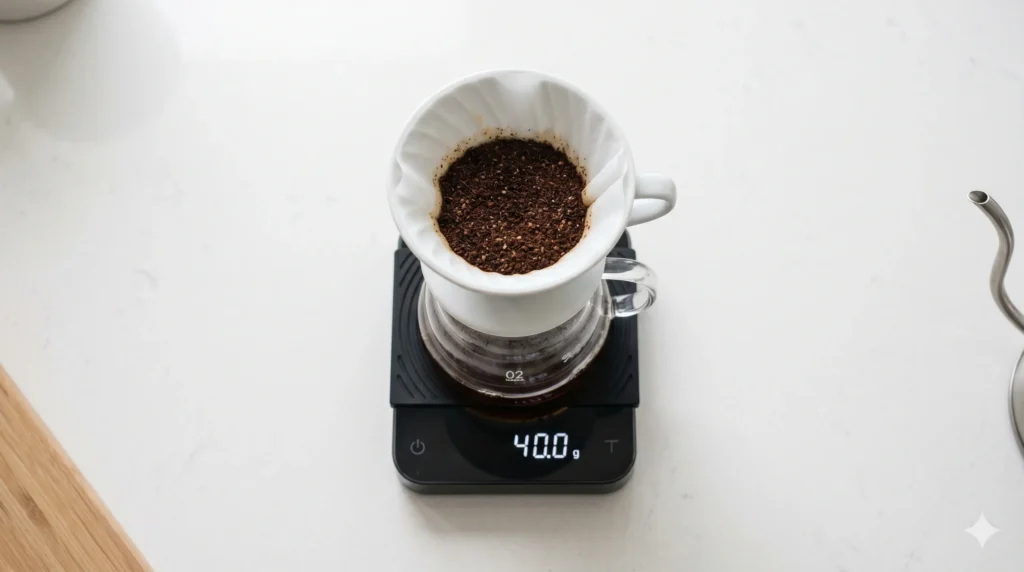
The standard recommendation is 2 times the weight of your coffee grounds.
| Coffee Dose | Bloom Water |
|---|---|
| 15g | 30g |
| 20g | 40g |
| 25g | 50g |
| 30g | 60g |
Some brewers prefer a slightly wetter bloom (up to 3x the coffee weight) for very fresh, heavily degassing coffee. The goal is simply to saturate all the ground without letting water begin to drain freely before the bloom is complete.
How Long Should the Bloom Last?
30 to 45 seconds is the standard range, and it works well for most coffees and brewing situations.
A few factors can push you toward the longer end:
- Very freshly roasted coffee (within a week of roast date) releases more CO2 and benefits from a longer bloom.
- Light roasts are denser and may need a touch more time for water to fully saturate the grounds.
- Coarser grinds absorb water more slowly and may need the full 45 seconds.
If you’re using coffee that’s 3–4 weeks past roast date, 30 seconds is plenty. The CO2 content is lower, and there’s less to release.
Going beyond 60 seconds isn’t necessary and can start the extraction process unevenly before your main pour begins.
Common Bloom Mistakes
Pouring Too Much Water
If you add too much bloom water, it begins flowing through the filter before the CO2 has fully escaped. You’ve essentially started your main brew early, without the benefit of an even, CO2-free coffee bed. Stick to 2x the coffee weight.
Not Saturating All the Grounds
Dry spots in the coffee bed mean some grounds don’t bloom at all. Those same grounds will be poorly extracted during your main brew. Pour in slow circles and check that the entire bed is wet. A gentle swirl of the dripper helps.
Rushing Through It
The temptation to start pouring immediately is real — especially in the morning. But the 30–45 second wait is the whole point. Set a timer and let it do its thing.
Using Stale Coffee and Expecting a Bloom
Stale coffee doesn’t bloom because there’s no CO2 left to release. If your bloom produces no reaction, the problem isn’t your technique — it’s your beans. Fresh coffee is the single most important variable in every brewing method.
Blooming With Cold Water
The bloom works because hot water accelerates CO2 release. Cold or lukewarm water doesn’t trigger the same reaction. Use the same temperature water for the bloom as you would for the rest of your brew.
Does the Bloom Actually Make a Difference?
The honest answer: it depends on how fresh your coffee is.
With coffee roasted within the past two weeks, the bloom is clearly noticeable. Skipping it produces a flatter, less even cup. Including it produces better extraction, more consistent flavor, and a brighter, more complete-tasting brew.
With older coffee (more than a month past roast date), the difference is smaller because there’s less CO2 to release. The bloom still doesn’t hurt, but its impact is minimal.
The practical takeaway: if you’re buying fresh, quality coffee, bloom every time. If you’re working through a bag of supermarket coffee that’s been sitting on the shelf for months, the bloom matters less — but fresh beans would be a bigger upgrade than any technique change.
The Bloom and Coffee Freshness
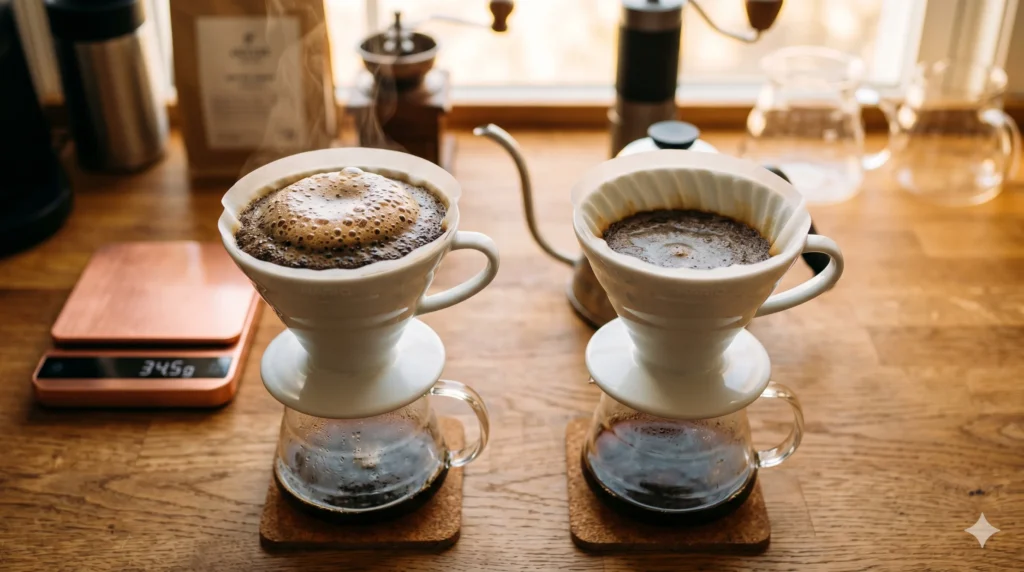
The bloom is often described as a freshness indicator, and that’s accurate. The more active the bloom, the more CO2 remains in the coffee, which correlates with how recently it was roasted.
Specialty roasters often print a roast date on the bag rather than a best-by date. That’s the number to look for. Coffee is typically at peak flavor between 7 and 21 days after roasting — long enough for initial degassing to settle, fresh enough that aromatics haven’t faded.
If the bloom on your coffee is weak or absent, check the roast date. If there isn’t one on the bag, that’s worth knowing too.
Coffee Bloom Explained:FAQs
What if my coffee doesn’t bloom at all?
Very little or no bloom means the coffee has lost most of its CO2 — usually a sign that the beans are past their peak freshness. The coffee isn’t unusable, but it won’t taste as complex or bright as fresh beans would. Look for a roast date when buying coffee and try to use beans within 3–4 weeks of that date.
Can I bloom coffee in a regular drip machine?
Most automatic drip machines don’t support a manual bloom step. Some higher-end machines have a built-in pre-infusion or bloom setting — check your machine’s manual. If it doesn’t, this is one area where manual brewing methods (pour over, French press) have a clear advantage over fully automatic machines.
Does the bloom affect caffeine content?
No. The bloom doesn’t wash away caffeine or significantly alter the caffeine in your final cup. Caffeine extraction is primarily determined by total brew ratio and time, not by the bloom step.
Why does the coffee puff up so dramatically sometimes?
Very fresh coffee — especially beans roasted within the last few days — retains a lot of CO2. When hot water hits, that gas escapes rapidly, causing the grounds to expand noticeably. As coffee ages past the roast date, the CO2 gradually escapes on its own, so older beans bloom less dramatically.
Should I bloom espresso?
Espresso machines handle pre-infusion differently. Many machines include a built-in pre-infusion stage that wets the puck before full pressure is applied — this serves a similar function to blooming. Manual blooming before loading the portafilter isn’t standard practice and isn’t necessary.
Key Takeaways
- The bloom releases CO2 trapped in freshly roasted coffee — that gas repels water and causes uneven extraction if not removed first.
- Use about twice the weight of your coffee in bloom water — enough to fully saturate the grounds without overflowing.
- Wait 30–45 seconds — this is when the CO2 actually escapes.
- A vigorous bloom is a sign of fresh coffee — little or no bloom usually means the beans are past their best.
- Blooming applies to hot-water methods — pour over, French press, and Aeropress all benefit; cold brew does not.
Recommended Reading
- Pour Over Coffee Guide (Pillar)
- Coffee Extraction Explained
- Common Pour Over Coffee Mistakes (Article 2, this batch)
- How to Pour Water for Pour Over Coffee
- French Press Coffee Guide
- Cold Brew Coffee Guide
- Best Water Temperature for Pour Over Coffee