
QUICK ANSWER BOX
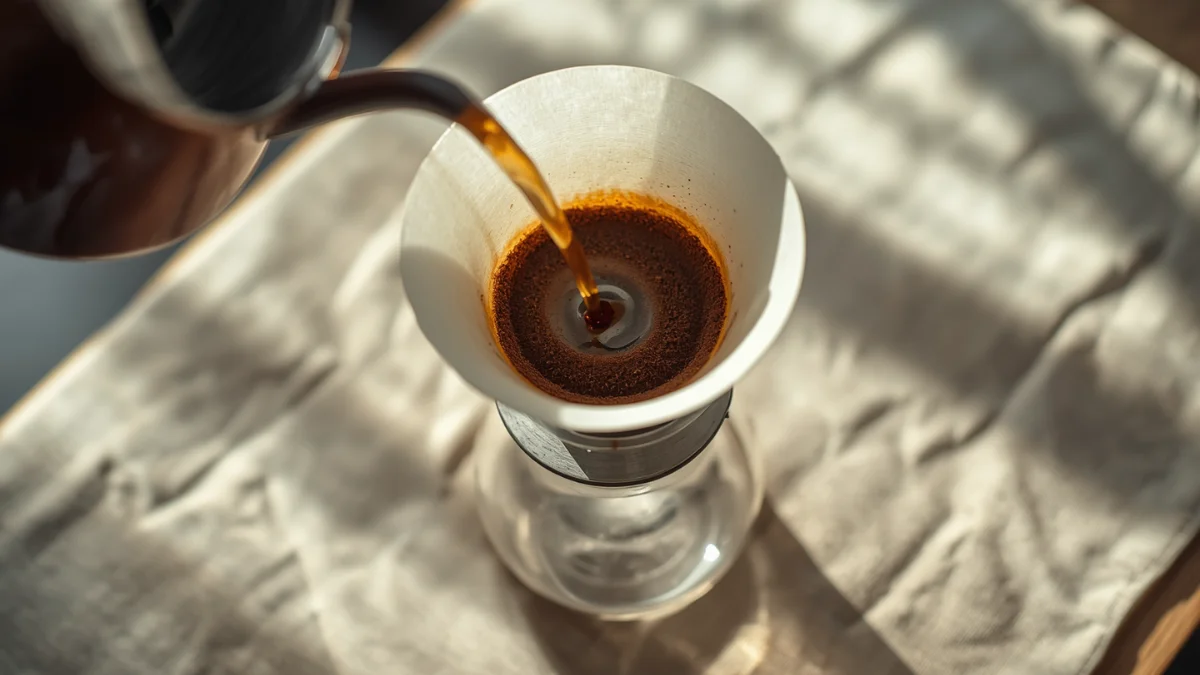
If your pour-over is draining too fast: The problem is almost always one of three things — your grind is too coarse, your coffee bed isn’t level, or your dripper has too much open space underneath. Tighten your grind size by one setting on your grinder, level the grounds with a gentle tap or spin, and check that your dripper’s cone (or flat-bottom base) sits flush with your cup. Most fast-draining issues disappear within one adjustment.
What Happens When Pour-Over Drains Too Fast
Pour-over coffee should take between 2.5 and 4 minutes from first pour to last drop. When water runs through too quickly — finishing in 60–90 seconds — you end up with underextracted coffee: it tastes thin, sour, or watery because the water didn’t have enough contact time with the grounds to pull out flavor compounds.
Fast drainage is your dripper sending a signal. It’s not a catastrophe, but it’s fixable, and once you know what to look for, you’ll solve it in seconds next time.
Why This Happens: The Three Main Causes
1. Grind Is Too Coarse
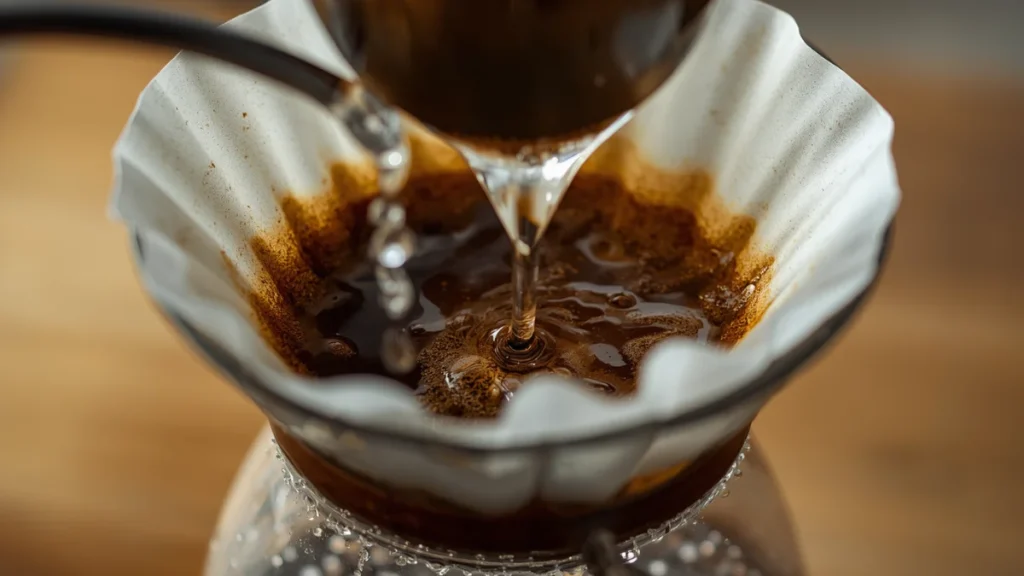
This is the number-one culprit. A coarse grind has larger particles with bigger gaps between them. Water flows straight through instead of being forced to move slowly through smaller spaces. If you’ve recently switched grinders, bought a different bag of coffee, or ground for the first time by hand, your grind size is the first place to look.
2. Coffee Bed Isn’t Level
An uneven bed creates channels—pathways where water wants to flow faster. Imagine tilting a hillside: water rushes downhill instead of spreading evenly. Even a slight tilt (often caused by pouring off-center or not shaking the dripper when you first add grounds) can speed up drainage noticeably.
3. Too Much Open Space Between Grounds and Dripper
Some drippers have too much air space underneath the filter, or the grounds don’t settle fully. A few causes: you’re using the wrong filter type, the dripper is positioned too high above your cup, or there’s a gap between the filter and the dripper’s walls.
Secondary reasons (less common, but real):
- Filters are too thin or damaged. Very cheap filters or accidentally torn ones don’t slow water properly.
- Dripper design flaw. Some budget drippers have wide-open bottoms that don’t restrict flow well.
- You’re using hot water that’s too hot. Water above 210°F can slightly reduce extraction time if grounds float or settle too quickly. (This is minor and usually only matters if you combine it with a coarse grind.)
How to Diagnose the Problem
Before you adjust anything, test your setup once and observe:
- Time your pour. Use a phone stopwatch. Pour 50g of water (if brewing 25g of coffee) or pour however much you normally do, and check how long it takes to fully drain.
- Watch the grounds. Do they move during the pour? Do they level themselves out, or do they stay tilted to one side?
- Check your grind. Pull out a pinch of wet grounds (after brewing) and rub them between your fingers. If they feel gritty and separate easily, the grind is likely too coarse.
- Inspect your dripper. Look from underneath. Is the filter sitting flush against the cone or flat bottom, or is there a visible air gap?
Fixes for Each Cause
Fix #1: Adjust Your Grind Finer
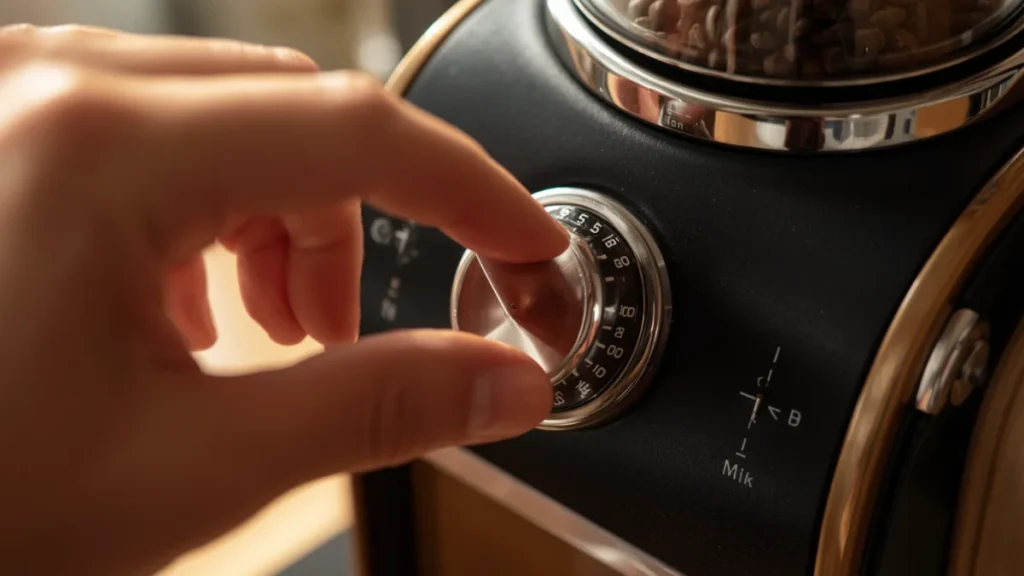
This works 70% of the time. Move your grinder down one full setting toward finer. If you’re using a dial grinder, that’s one notch; if you’re using a numbered setting, try one number finer.
After one adjustment, brew a test cup. Your brew time should lengthen to 3–4 minutes. Taste it. If it’s still fast-draining, go one more setting finer. If it tastes bitter or harsh, you’ve gone too fine — back up half a setting.
Dial grinders: Start at a setting that works for one brewing method, and stay within ±2 settings for pour-over. You shouldn’t need a completely different grind for pour-over vs. French press if your grinder is doing its job.
Fix #2: Level Your Coffee Bed
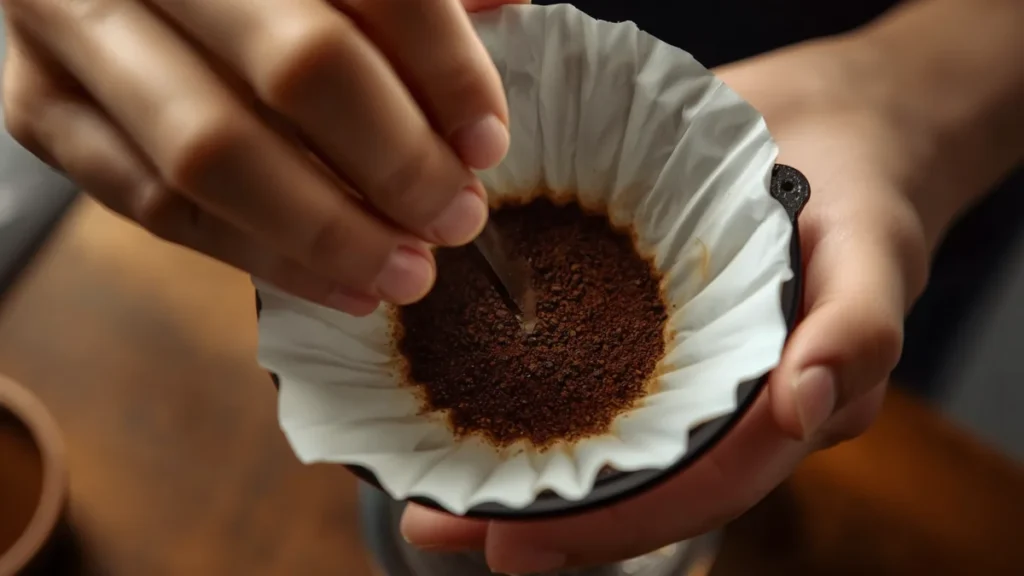
After you add grounds to your dripper:
- Gently tap the dripper against your palm or the edge of your brew cup (not hard — just a soft tap) to settle the grounds.
- Spin the dripper slowly if you’re using a cone dripper. This uses gravity to level the surface.
- Pour your first small pour carefully. Aim for the center of the grounds and pour slowly. If you blast the grounds off-center, they’ll settle unevenly.
For the rest of your brew, pour in steady circles or spirals from the center outward, keeping the water pooling over the grounds. A level surface means water moves at the same speed through all parts of the bed.
Fix #3: Fix Dripper-to-Cup Fit
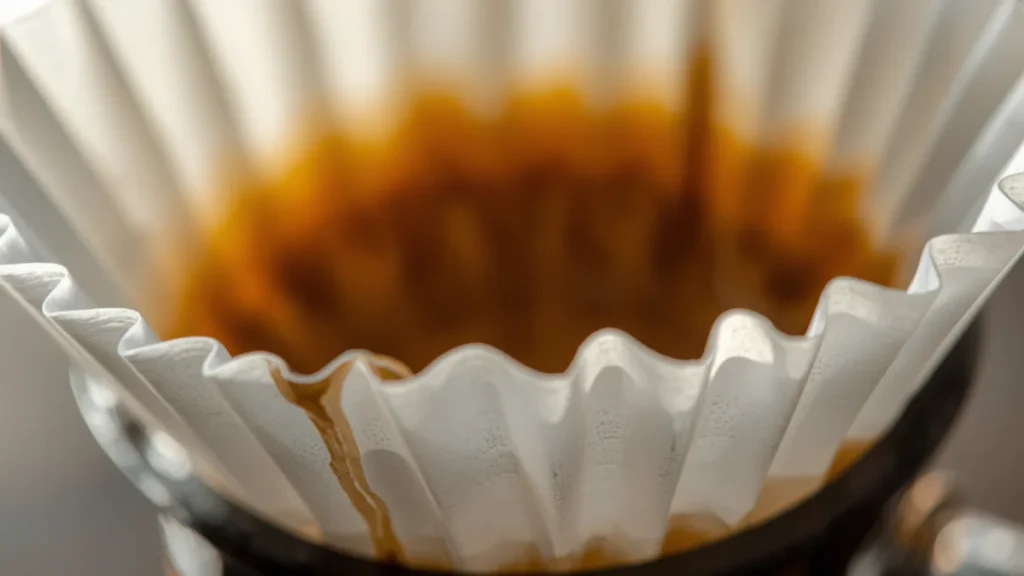
- Check the filter seal. If you’re using paper filters, make sure the paper is tucked flat against the dripper’s walls, especially at the bottom seams. Wet the filter first with a tiny bit of water to help it stick.
- Position your dripper correctly. If your dripper is a cone, the tip should rest just inside the rim of your cup or carafe, not hovering an inch above it. If it’s a flat-bottom dripper, the whole base should sit flush.
- Replace the filter. If your filter is torn, folded incorrectly, or too thin, swap it for a new one. Thick paper or cloth filters slow flow slightly and actually improve brew quality.
What NOT to Do
- Don’t use finer filters as a band-aid fix. A damaged or overly thin filter will eventually tear, and you’ll still need to fix your grind.
- Don’t pour boiling water straight from the kettle. Aim for 195–205°F. If you don’t have a thermometer, wait 30 seconds after boiling before pouring.
- Don’t pack the grounds. Tamping or pressing the grounds down can cause channeling and uneven extraction, ironically speeding up drainage in some spots while slowing it in others.
Testing Your Fixes
After you adjust one thing, brew a fresh cup and time it:
- Optimal range: 3–4 minutes
- Still too fast (under 2 minutes)? Tighten your grind one more notch.
- Getting closer but not quite there? Make sure your bed is level and the filter is seated properly.
- Now takes 3–4 minutes? Stop here. Taste it. You should notice the coffee is richer, less sour, and has better body.
Key Takeaways
- Coarse grind = fast drainage. It’s the most common cause; tighten your grind first.
- Level your bed after adding grounds. A simple tap or spin prevents channels.
- Check the filter seal. It’s easy to overlook and makes a real difference.
- Brew time tells you everything. If it’s under 2.5 minutes, something needs adjusting; over 4 minutes means you might have gone too fine.
- One adjustment at a time. Change your grind, brew, and taste before you change anything else.
Why Is My Pour-Over Coffee Draining Too Fast: FAQs
Why is my pour-over coffee draining too fast?
The most common causes are a grind that’s too coarse, an unlevel coffee bed, or too much open space between the grounds and dripper. The simplest fix is to tighten your grind by one setting on your grinder, then level the grounds with a gentle tap or spin before brewing
How long should a pour-over actually take?
A well-extracted pour-over should take between 2.5 and 4 minutes from first pour to last drop. If yours finishes in under 2 minutes, the water is moving too fast, and your coffee will taste thin or sour because it’s underextracted.
What grind setting should I use for pour-over?
Pour-over typically uses a medium grind, slightly finer than for French press but coarser than espresso. The exact setting depends on your grinder model. Start at a medium setting and adjust finer if your brew finishes too quickly, or coarser if it takes longer than 4 minutes
Can the dripper itself cause fast drainage?
Yes, some dripper designs have wide-open bottoms that don’t restrict water flow well, or air gaps between the filter and dripper walls can allow water to bypass the grounds. Check that your filter sits flush against the dripper walls and that the dripper is positioned correctly above your cup
Does water temperature affect how fast pour-over coffee drains?
Water temperature has a minor effect. Very hot water (above 210°F) can cause grounds to float or settle unevenly, but temperature is rarely the main cause of fast drainage. Grind size and bed levelness matter much more. Aim for 195–205°F for optimal extraction
Should I level my coffee grounds before brewing?
Yes, definitely. Level grounds prevent channels (fast-flowing pathways) from forming. After adding grounds to your dripper, gently tap the dripper against your palm or spin it slowly to settle the surface. During your first pour, aim for the center and pour slowly to keep the bed level.
Recommended Reading
Related guides on our site that’ll help you dial in your pour-over:
- The Complete Guide to Pour-Over Coffee Brewing — dialing in water temperature, brew ratios, and pouring technique
- Coffee Grinder Buyer’s Guide: Choosing Between Burr Types — understanding why grinder type matters
- Coffee-to-Water Ratio Chart for Every Brewing Method — getting the math right