
Quick Answer
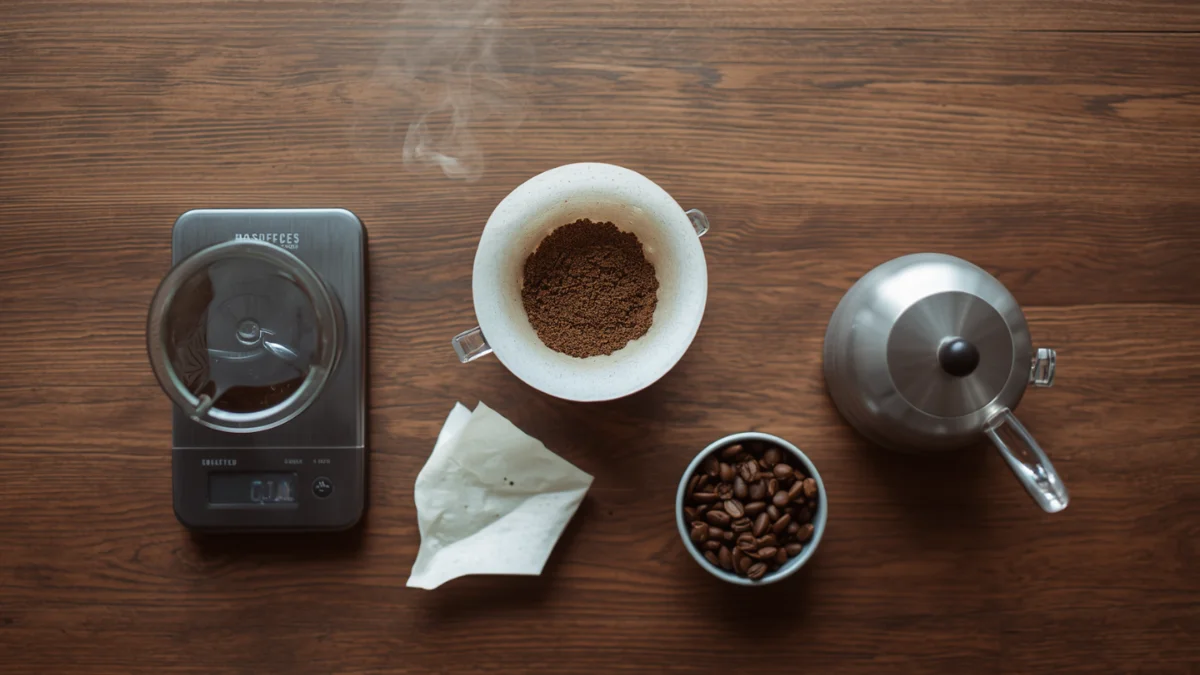
The best pour-over coffee maker for most people in 2026 is the Hario V60 — it’s inexpensive, endlessly capable, and the reference point for pour-over flavor. If you want the most forgiving brewer for beginners, choose the Kalita Wave 185. For clean, tea-like clarity and brewing for two or more, choose the Chemex. On a tight budget, the OXO Good Grips Pour-Over is the easiest place to start.
In a hurry?
- Best overall: Hario V60
- Best for beginners: Kalita Wave 185
- Best for clarity & batches: Chemex 6-Cup
- Best budget: OXO Good Grips Pour-Over
- Best versatile: Origami Dripper
- Best premium: Fellow Stagg [X]
What Is Pour-Over Coffee — and Why Does the Dripper Matter?
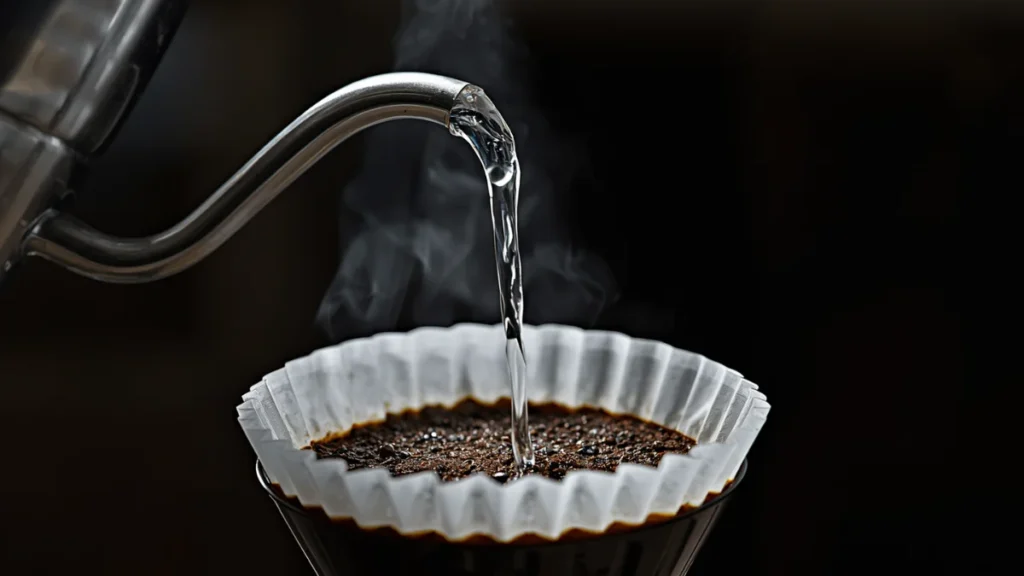
Pour-over brewing means pouring hot water over a bed of coffee in a filter, letting gravity do the work. It gives you more control over extraction than almost any other method — and that control is the whole appeal. For the full technique, start with our pour-over coffee guide and the perfect pour-over ratio.
The dripper matters because it dictates how water flows through the coffee bed. A cone with deep ridges drains fast and rewards technique; a flat bed drains evenly and forgives small mistakes; a thick Chemex filter traps oils for a cleaner, lighter cup. Same beans, same grinder, different dripper — noticeably different coffee.
How We Selected These Drippers
- Flow and forgiveness — fast vs. slow, and how much technique each demands
- Filter requirement — proprietary or standard, cheap or expensive to run
- Flavor profile — clarity vs. body, and how the filter shape affects oils
- Batch size — single cup vs. brewing for two or more
- Build and heat retention — ceramic, glass, plastic, or metal
- Running cost — filter price and availability over a year
- Value — cup quality per dollar, not just sticker price
Our Review & Research Disclaimer
At RoastVista, our product reviews are based on detailed research and analysis rather than hands-on physical testing. We study manufacturer information, product specifications, independent sources, and feedback from real users to understand a product’s performance, quality, features, strengths, and limitations. We also compare products with similar alternatives to provide a broader perspective.
Our goal is to give prospective buyers a clear, balanced, and well-researched picture of each product so they can make a more informed purchasing decision.
Quick Picks Table
| Category | Dripper | Material | Best For |
|---|---|---|---|
| Best overall | Hario V60 (02) | Ceramic/glass/plastic | Most brewers; full control |
| Best for beginners | Kalita Wave 185 | Stainless/ceramic/glass | Forgiving, even extraction |
| Best clarity & batches | Chemex 6-Cup | Borosilicate glass | Clean cup, brewing for two+ |
| Best budget | OXO Good Grips Pour-Over | Plastic + glass carafe | First pour-over setup |
| Best versatile | Origami Dripper | Ceramic | Cone and flat filters |
| Best premium | Fellow Stagg [X] | Stainless steel | Precision + design |
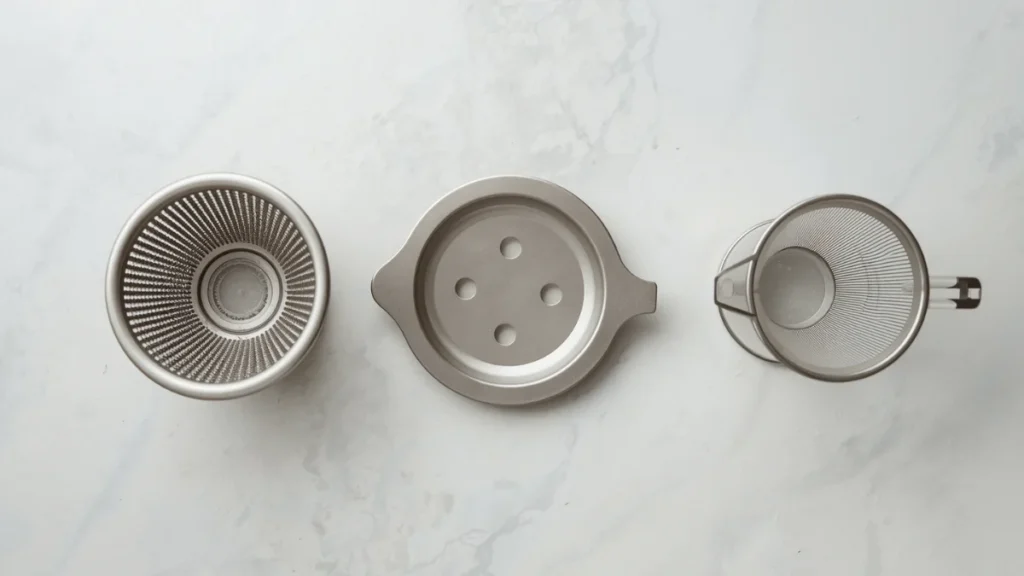
Comparison Table
| Dripper | Bed Shape | Filter | Forgiveness | Batch Size | Price Range | Best For |
|---|---|---|---|---|---|---|
| Hario V60 | Cone | V60 paper (proprietary) | Low–medium | 1–4 cups | $30.50 | Control and flavour |
| Kalita Wave 185 | Flat | Wave paper (proprietary) | High | 1–3 cups | $34.21 | Beginners, consistency |
| Chemex 6-Cup | Cone (deep) | Chemex bonded paper | Medium | 3–6 cups | $47.03 | Clarity and batches |
| OXO Good Grips | Cone | Stflavor#2 cone | Medium–high | 1–2 cups | $19.97 | Budget start |
| Origami | Cone or flat | V60 or Wave paper | Medium | 1–2 cups | $9.98 | Versatility |
| Fellow Stagg [X] | Cone | Stagg paper | Medium | 1–2 cups | $79.95 | Premium precision |
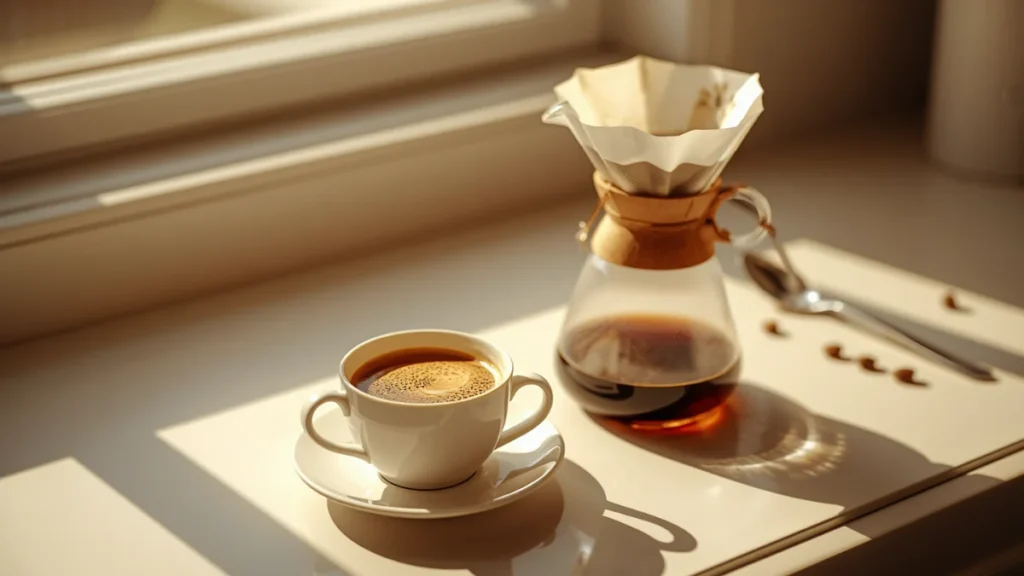
1. Hario V60 — Best Overall
Material: ceramic, glass, or plastic · Filter: V60 paper

The V60 is the standard against which other drippers are judged. Its 60-degree cone and deep spiral ridges create a fast, controllable flow, and the large sinkhole lets you steer extraction with your pour. It’s the dripper most world-championship recipes are built around.
Pros
- Outstanding control and flavor retention
- Cheap to buy, with filters widely available
- Available in ceramic, glass, and plastic (plastic is cheapest and holds heat well)
- Huge recipe ecosystem to learn from
Cons
- Unforgiving — small pour mistakes show up in the cup
- Requires a decent grinder and a gooseneck kettle to shine
- Fast drain can cause under-extraction if your grind is too coarse
Who it’s for: anyone who wants to learn how to do pour-over properly. Pair it with our how-to-pour guide and a grind size chart.
2. Kalita Wave 185 — Best flavor
Material: stainless steel, ceramic, or glass · Filter: Kalita Wave paper

The Wave’s flat bed and three small drainage holes slow the flow and even out the water’s path through the coffee. The result is a remarkably consistent, forgiving brew — the dripper that makes good coffee even when your pouring isn’t perfect.
Pros
- Very forgiving of technique
- Excellent consistency batch to batch
- Flat bed suits medium roasts beautifully
- Stainless steel version is durable and travel-friendly
Cons
- Wave filters cost more and are less widely stocked than V60 filters
- Lower flavor profile than a well-brewed V60
- Fewer small sizes for single-cup brewing
Who it’s for: beginners, nd anyone who values repeatability over tinkering. Compare it directly with the V60 in our V60 vs. Mugen vs. Switch post.
3. Chemex 6-Cup — Best for Clarity and Batches
Material: borosilicate glass · Filter: Chemex bonded paper

The Chemex’s thick, bonded filter traps more oils and fines than any other brewer here, producing the cleanest, most tea-like cup on this list. Its 6-cup capacity makes it the natural choice for brewing for two or more — and it’s handsome enough to leave on the table.
Pros
- Cleanest, brightest cup in this comparison
- Brews 3–6 cups at once
- Iconic; dispenses water into a serving carafe
- Thick filter forgives a slightly coarse grind
Cons
- Filters are the priciest per brew of any dripper here
- Slow brew time — not a quick single cup
- Glass is breakable; needs careful handling
Who it’s for: households brewing for two or more, and anyone chasing maximum clarity. See our pour-over guide for a step-by-step Chemex method.
4. OXO Good Grips Pour-Over — Best Budget
PricflavorMaterial: plastic dripper + glass carafe · Filter: standard #2 cone

The OXO is designed to remove the fiddly parts of pour-over: it has a built-in water tank that auto-dispenses water at a controlled rate, so you don’t need a gooseneck kettle or steady hand. It brews directly into an included carafe and uses cheap, standard #2 filters.
Pros
- Cheapest complete setup here (dripper + carafe)
- Auto-dispensing tank removes the need for a gooseneck kettle
- Uses inexpensive, widely available #2 filters
- Very easy clean-up
Cons
- Less control than a manual dripper
- Plastic construction
- Lower flavor profile for experienced brewers
Who it’s for: total beginners who want good pour-over without buying a kettle and learning a technique. It’s also the ideal gift for someone just starting — see our beginner coffee setup under $100.
5. Origami Dripper — Best Versatile
Material: ceramic · Filter: V60 paper or Wave paper

The Origami’s ribbed cone accepts both conical (V60) and flat-bed (Wave) filters, letting you change the flow and flavor profile without buying a second dripper. Beautifully made and available in a range of glazes, it’s the enthusiast’s two-in-one.
Pros
- Two brew styles in one dripper (cone or flat)
- Excellent build quality and aesthetics
- Rewards experimentation
- Good heat retention (ceramic)
Cons
- Costs more than a V60
- Cerasteel requires pre-heating and careful handling
- Not the most forgiving option for beginners
Who it’s for: brewers who want to experiment with flow and filter shape. If V60 vs. flat-bed confuses you, our conical vs. flat grinder post explains why geometry changes flavors (the same principle applies to filters).
6. Fellow Stagg [X] — Best Premium
Material: stainless steel · Filter: Stagg paper
![Fellow Stagg [X]](https://m.media-amazon.com/images/I/31hONlkSnML._AC_.jpg)
The Stagg [X] is a high-precision stainless dripper designed to pair with Fellow’s ecosystem. Its steep walls and controlled flow suit deliberate, recipe-driven brewing, and the stainless steel flavors heat better than ceramic or glass.
Pros
- Excellent heat retention (double-wall stainless)
- Precision-engineered flow
- Durable and travel-friendly
- Matches Fellow kettles and grinders aesthetically
Cons
- Premium price for a dripper
- Proprietary filters
- Overkill for casual brewing
Who it’s for: recipe-driven brewers who want premium build and heat stability. Pair with a gooseneck kettle and a brew scale.
How to Choose a Pour-Over Coffee Maker
Match the dripper to your patience. The V60 rewards attention to detail in coffee brewing. If you want to enjoy the process, you need to come one. If you want reliable coffee before work, go flat-bed.
Think about batch size. A 1–2-cup dripper suits solo brewing; the Chemex 6-Cup is the pick for brewing two or more cups.
Factor in filter running costs. Proprietary filters (V60, Wave, Chemex, Stagg) are more expensive and less substitutable than standard #2 cones. Over a year, that difference adds up.
Budget for the supporting gear. A pour-over is only as good as the grind going into it and the kettle pouring over it. If you’re starting from scratch, our essential coffee-brewing tools list and beginner flavor guide cover everything you need
Learn to read the brew. If your bed drains too fast, that’s the subject of our why pour-over drains too fast post. If your coffee tastes flat or harsh, see under-extracted vs. over-extracted, why coffee tastes sour, and why coffee tastes bitter.
Best Pour-Over Coffee Makers: FAQ
What is the best pour-over coffee maker for beginners?
The Kalita Wave 185. Its flat bed and three small holes make it far more forgiving of uneven pouring than a V60, so you get consistent coffee while you learn.
Is a Hario V60 or Kalita Wave better?
The V60 has a higher flavor profile and more control; the Kalita is more consistent and forgiving. Beginners usually start with the Kalita, then move to the V60. See our V60 vs. Mugen vs. Switch comparison.
Do I need a gooseneck kettle for pour-over?
For a V60 or Chemex, yes — a gooseneck gives you the control to pour evenly. The OXO Good Grips Pour-Over has a built-in dispensing tank, so it’s the one pick here that doesn’t require one.
Why does my pour-over taste weak?
Usually t, too coarse a grind or too fast a pour under-extracts the coffee. Tighten the grind slightly and slow your pour — see our grind size chart.
How much does a good pour-over setup cost?
A dripper runs from about $15–20 (OXO, V60 plastic, up to premium stainless. Add a grinder and a gooseneck kettle for the full experience — our beginner setup under $100 covers a complete kit.
Final Thoughts
There’s no single “best” dripper — only the best one for how you brew. The Hario V60 is the best all-rounder, the Kalita Wave 185 is the best for beginners, and the Chemex is the best for clarity and brewing for two. Start with the one that matches your patience and batch size, and let your grinder and kettle do the rest.
Related Posts
- Best Coffee Beans for Pour Over: A Beginner's Guide to Choosing the Right
- Best Water Temperature for Pour Over Coffee (Complete Brewing Guide for Perfect Flavor)
- Common Pour Over Coffee Mistakes (And How to Fix Every One)
- How to Use a Gooseneck Kettle for Pour Over Coffee (Beginner Guide)
- How to Brew Pour Over Coffee for Two Without Losing Heat (Step-by-Step Guide)